

KURE Kids Header Line
badge icon

This content was originally written in Turkish for children and is automatically translated into English using artificial intelligence.

article-image

Turn into a nightingale after eating the mulberry

Last Updated: 06/26/2026

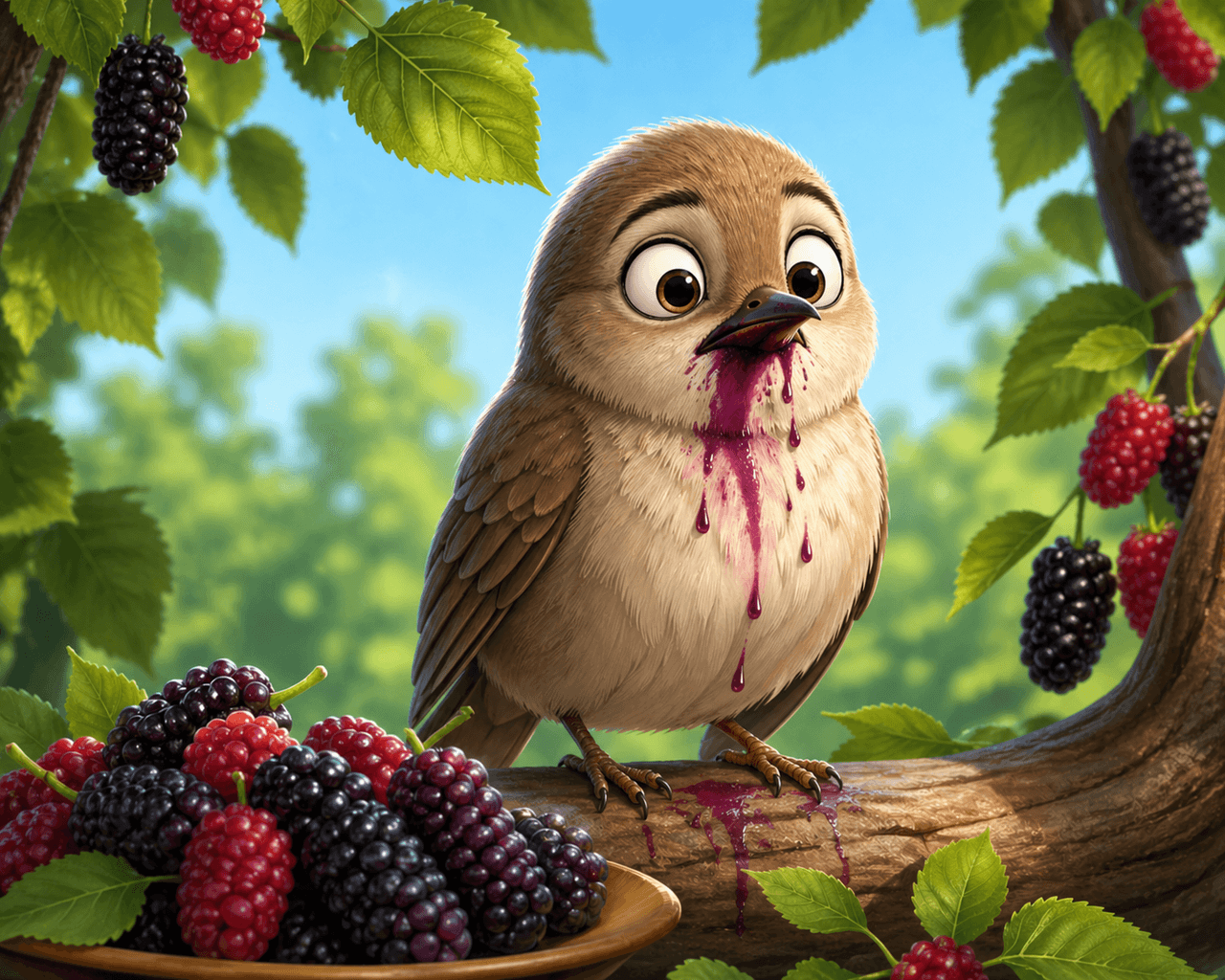
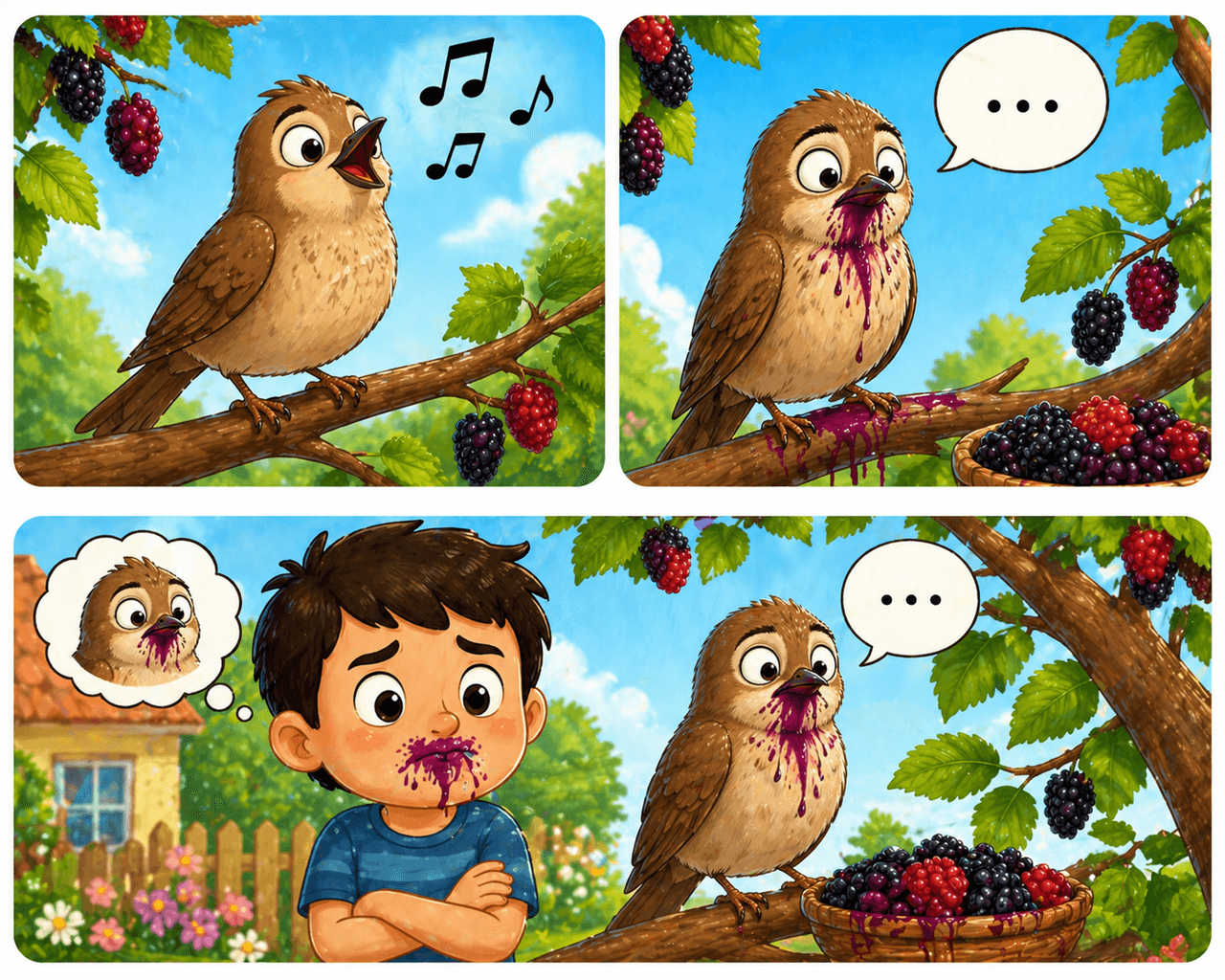
The expression “dut yemiş bülbüle dönmek” is a fixed phrase that describes a person becoming speechless due to surprise, embarrassment, or inability to find the right words. It conveys the state of falling silent and being unable to speak. Turkish idioms passed down from generation to generation represent one of our most important cultural heritages, as they succinctly and vividly summarize situations that would otherwise require lengthy explanations in daily life.

(Generated by artificial intelligence)

What Does This Expression Mean and When Is It Used?

This idiom depicts the temporary silence and inability to speak that people experience in response to various emotional situations in daily life. When someone is greatly surprised, embarrassed, or unsure of what to say, they may freeze for a moment. The expression captures this state of being rendered speechless through the power of metaphor.


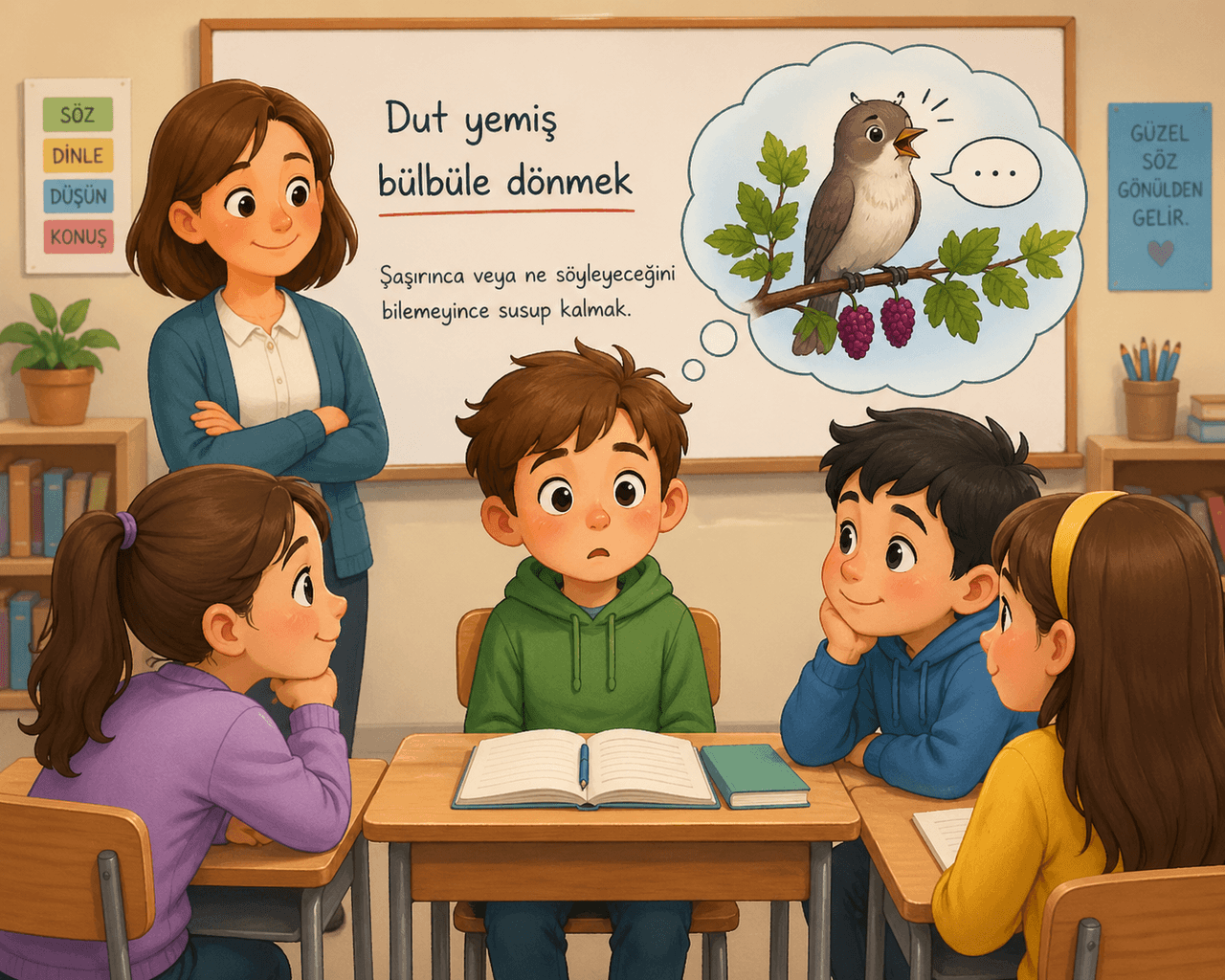
This situation is commonly encountered in everyday life. For example, in school, when a teacher asks a question and you know the answer but are too nervous to speak for a moment. Similarly, during hobbies, sports activities, or when spending time with friends, you might fall silent for a moment upon receiving an unexpected and wonderful surprise. This idiom is precisely chosen to describe such human moments and similar experiences.


(Generated by artificial intelligence)


Linguistic Dimensions and Cultural Significance

In academic sources, this expression is categorized among idioms related to speaking and silence. The idiom “dut yemiş bülbüle dönmek” belongs to the same semantic field as other Turkish expressions describing silence, such as “dili tutulmak”, “ağzını açmamak”, “çıt çıkarmamak”, and “sus pus olmak”.


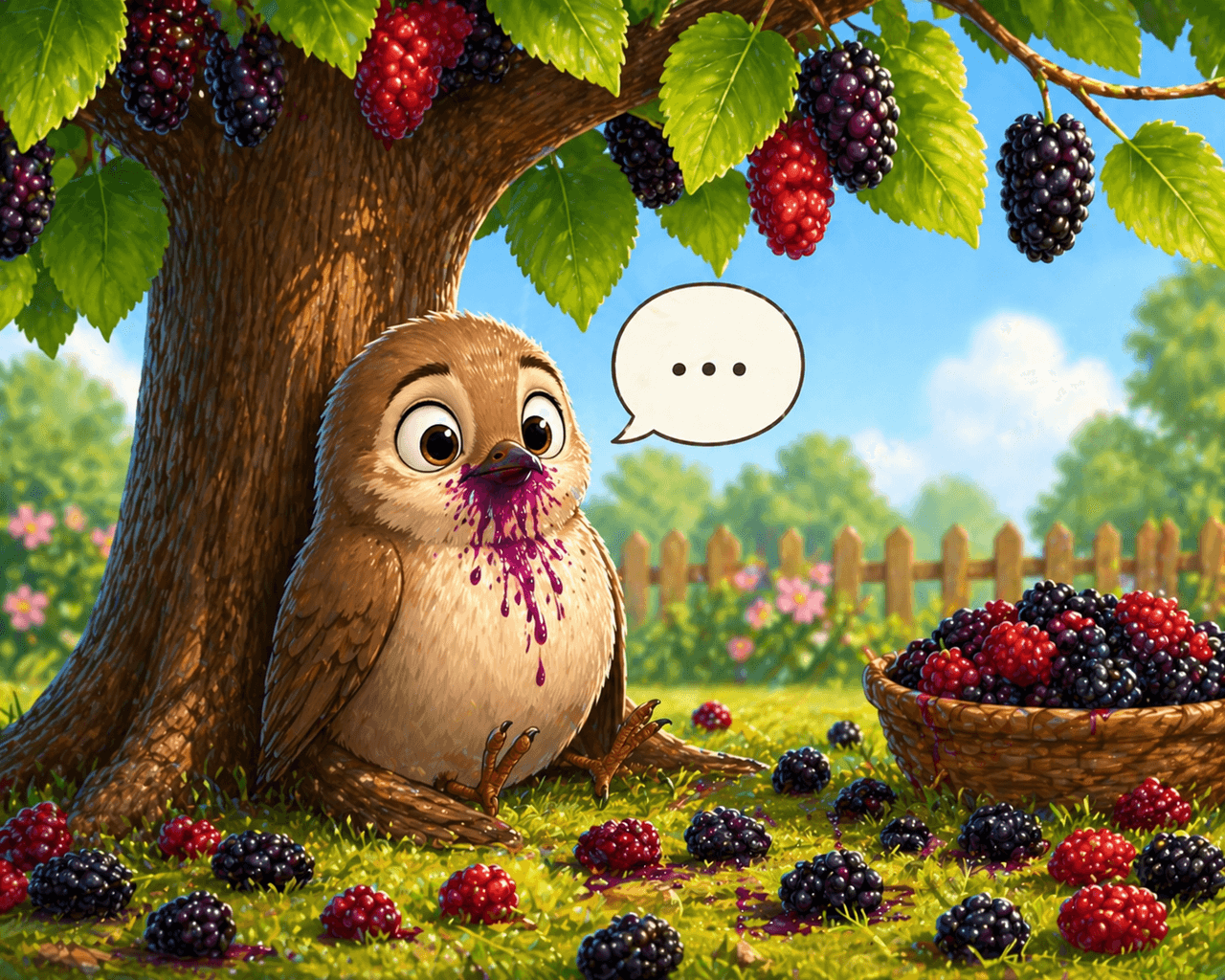
Idioms are highly valuable linguistic elements that reflect a society’s shared ways of thinking, perceiving, and expressing ideas. They enable us to convey complex situations vividly using just a few conventional words, rather than lengthy explanations. Therefore, learning and appropriately using idioms directly enhances one’s ability to use the language more beautifully, richly, and effectively.

(Generated by artificial intelligence)

Don't Forget to Look at These!
Science and Technology
cat img
Natural Sciences
cat img
History and Culture
cat img
image
Most Read
Yanmayan El Deneyi
arrow
image
Last Added
21 Haziran Yaz Gündönümü
arrow
ilham-notu-bg
INSPIRATION NOTE FOR CURIOUS KIDS!

It is perfectly natural to sometimes fall silent when you are excited, deeply surprised, or entering a new environment. What matters is not to interpret these brief silences as shyness and never to give up the courage to express yourself. Just as you strengthen your ability to speak by learning the richness of your language, you can share your thoughts with greater confidence and effectiveness as you acquire new skills in school, art, or scientific activities. Continue enthusiastically discovering your talents and learning something new every day!

Who Wrote?
Kids Writing
AuthorEylül BOLATJune 26, 2026
bottom-bg-effect-bottom
bottom-bg-effect-top

The expression “to turn into a nightingale after eating the mulberry” is a fixed phrase that describes a person becoming speechless, falling silent, or being unable to speak when surprised, embarrassed, or at a loss for words. Idioms passed down through generations in Turkish represent one of our most important cultural heritages, concisely and vividly summarizing situations that would otherwise require lengthy explanations in everyday life.

Bibliographies

Açar, Zeliha. “XIX. Yüzyıl Şairlerinden Ayıntâblı Şâkir, Divanı ve ‘Unut’ Redifli Gazellerinden Hareketle Divanındaki Fuzûlî Etkisi.” *Gaziantep Üniversitesi Ayıntâb Araştırmaları Dergisi* 6, no. 2 (2023). Accessed April 29, 2026. https://dergipark.org.tr/en/download/issue-full-file/82574.

Köprülüzâde, M. Fuad. “Türk — Moğol Şamanizminin Tasavvufî İslâm Tarikatları Üzerindeki Tesiri.” Translated by Ferhat Tamir. *bilig*, no. 1 (Spring 1996). Accessed April 29, 2026. https://bilig.yesevi.edu.tr/yonetim/icerik/makaleler/1236-published.pdf.

Onan, Bilginer, and Özçakmak, Hüseyin. “Türkçe Deyimlerde Dil Farkındalığı ve İşlevsel Dil Kullanımı.” *Ana Dili Eğitimi Dergisi* 2, no. 1 (2014). Accessed April 29, 2026. https://dergipark.org.tr/tr/download/article-file/14848.

ilham-notu-bg
ilham-notu-bg
ilham-notu-bg
HEYY!
Did You Know?
These?
Lamb
Lamb
Ask to Küre