


What Is a Fairy Tale?
What Is a Fairy Tale?
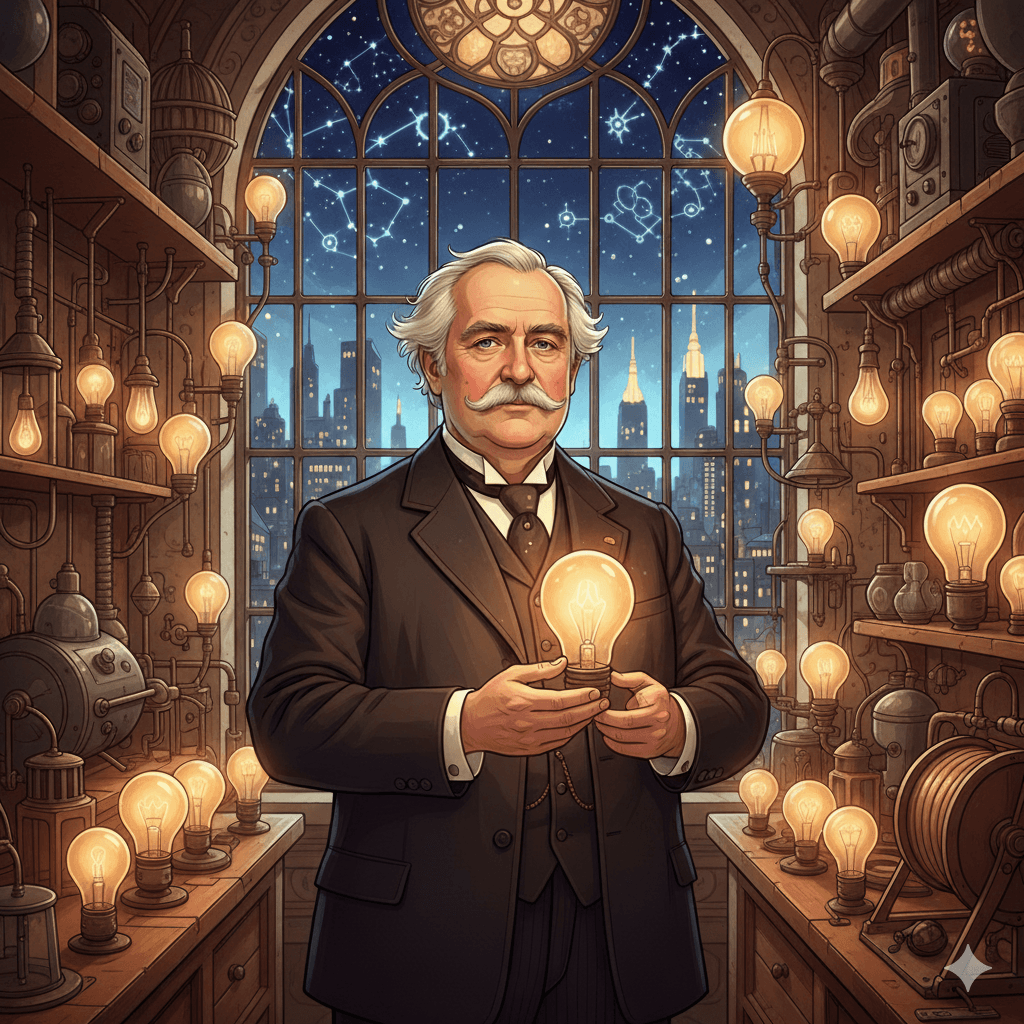
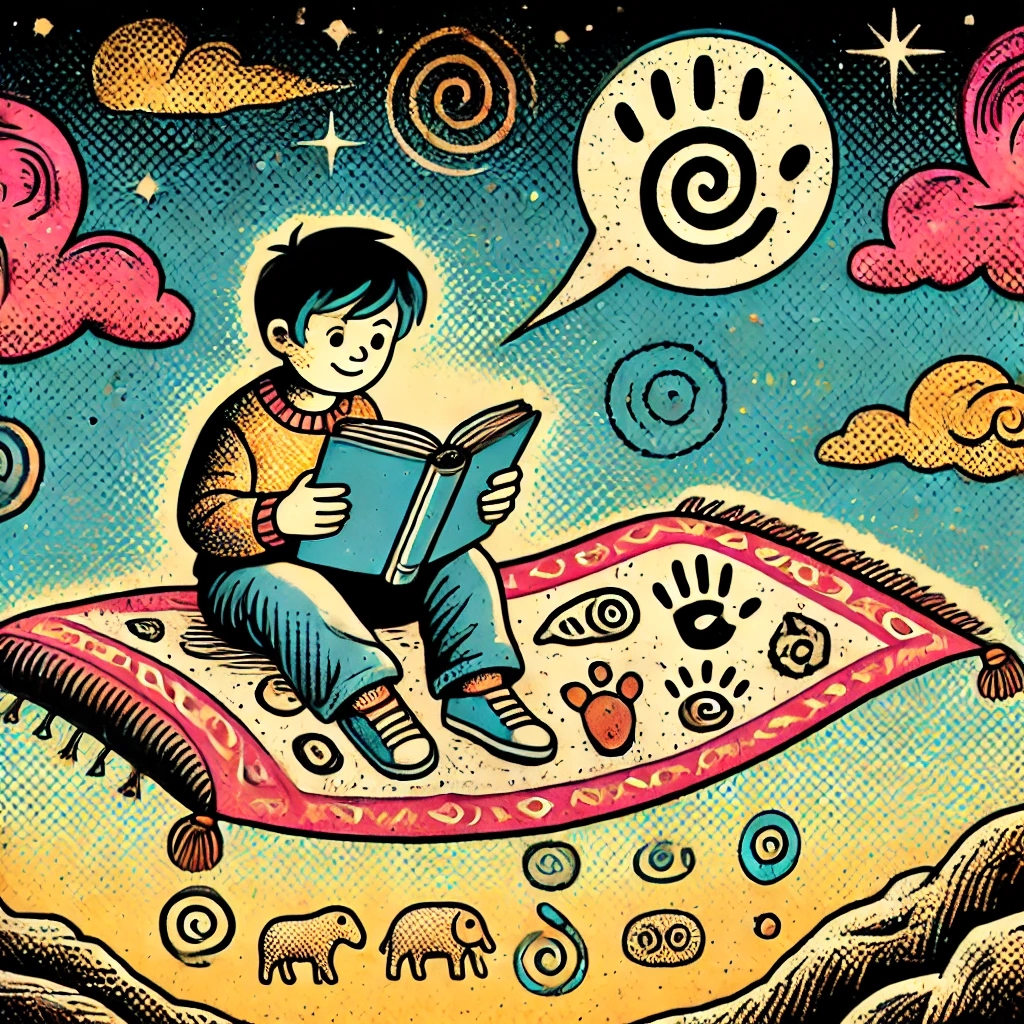
A fairy tale is an anonymous folk narrative characterized by extraordinary events, heroes rooted in imagination, and indeterminate time and space. Typically originating in oral tradition, fairy tales have been passed down from generation to generation. While entertaining, they also impart moral lessons and help develop children’s imagination, language skills, and understanding of values.

(Generated by artificial intelligence.)
History of the Fairy Tale
Fairy tales have been told since before the advent of writing. Some narratives found on Mesopotamian tablets are considered among the earliest examples of fairy tales. The genre was enriched in India through the Panchatantra, in the Middle East through the One Thousand and One Nights, and in Europe through figures such as the Brothers Grimm and Charles Perrault. In Anatolia, fairy tales took shape in village homes, on grandmothers’ laps, and through the words of storytellers, becoming an inseparable part of folk culture.

(Generated by artificial intelligence.)
Characteristics of Fairy Tales
- Time and place are indeterminate. Fairy tales typically begin with phrases such as “Once upon a time…”
- They contain supernatural elements. Talking animals, fairies, giants, and magical objects may appear.
- Heroes are usually symbols of goodness and honesty. Characters like Keloğlan overcome obstacles through wit and integrity.
- They are short, simple, and easily understood. Fairy tales use language accessible to audiences of all ages.
- Good characters are rewarded, and evil ones are punished. This gives them an educational function.

(Generated by artificial intelligence.)
Structure of Fairy Tales
Fairy tales generally consist of four parts:
- Exposition: The opening section, often beginning with conventional phrases such as “Once upon a time…”
- Rising Action: The hero is introduced, and the world of the tale is established.
- Climax: A conflict or problem emerges.
- Resolution: The problem is resolved, and the tale ends positively.
Are Fairy Tales Universal?
Fairy tales have emerged in similar forms across different cultures. The core messages of fairy tales told in many countries often show striking similarities, reflecting humanity’s shared values.
🌍 Famous Fairy Tales from Around the World
- Little Red Riding Hood (Europe): The story of a young girl encountering a wolf in the forest teaches vigilance.
- Snow White and the Seven Dwarfs (Germany): Explores the triumph of kindness over jealousy.
- The Ugly Duckling (Denmark): Illustrates how exclusion and difference can be overcome in the process of growth.
- Aladdin’s Magic Lamp (One Thousand and One Nights, Middle East): A tale of destiny transformed through a magical lamp.
- Pinocchio (Italy): Tells the adventures of a puppet who learns the consequences of lying.

(Generated by artificial intelligence.)
Examples from Turkish Fairy Tales
- Keloğlan Tales: Keloğlan, a beloved hero of Anatolian folk tradition, overcomes challenges through his intelligence and purity.
- Bey Böyrek, Tepegöz (Dede Korkut Stories): Blend elements of fairy tale and epic.
- The Golden Nightingale, The Seven-Headed Giant, Open Sesame: Among the most prominent anonymous Turkish fairy tales.
The Contribution of Fairy Tales to Children
Fairy tales help children:
- Develop their imagination.
- Learn values such as honesty, courage, and patience.
- Enrich their language and storytelling abilities.
- Understand abstract concepts through symbols.

(Generated by artificial intelligence.)
The Function of Fairy Tales for Adults
Fairy tales are not only intended for children but also for adults. Adult-oriented fairy tales contain social critiques and allow for political or psychological interpretations. They also preserve cultural memory as carriers of oral tradition.
References:
- “What Is a Fairy Tale?”, Turkish Literature, Accessed: 10 July 2025. https://www.turkedebiyati.org/masal-nedir/
- “Fairy Tales and Fables” [PDF], MEB OGM Materials, Accessed: 10 July 2025. The provided content is a URL, not a Turkish text to translate. URLs are not translated; they remain unchanged in any language. https://ogmmateryal.eba.gov.tr/panel/upload/files/nmvyxesqyb4.pdf
- “The Impact of Fairy Tales on Children”, TRT Children Parent Academy, Accessed: 10 July 2025. https://ebeveynakademisi.trtcocuk.net.tr/makale/masallar-cocuklari-nasil-etkiliyor-11911792
- Eser, Ü., “The Educational and Social Functions of Fairy Tales”, Center for Research and Application on the Middle East, Central Asia and Caucasus Journal, Accessed: 10 July 2025. https://dergipark.org.tr/en/download/article-file/2864293
- Aydın, D., “The Instructional Aspects of Fairy Tales”, Bogazici Institute Blog, Accessed: 10 July 2025. https://boenstitu.com/blog/masal-nedir
- “The Effect of Fairy Tales on Child Development”, SUBÜ Certification, Accessed: 10 July 2025. https://sertifika.subu.edu.tr/masallarin-cocuklarin-gelisimine-etkisi-ve-ogretici-yonleri
- “Fairy Tales and Oral Culture”, Rize MEM – Çaydanlık Journal, Accessed: 10 July 2025. https://rize.meb.gov.tr/rista/caydanlik-dergi.asp?d=oku&id=4456
- Ünlü, H., “The Psychological Effects of Fairy Tales”, Anadolu Business Vocational School Journal, Accessed: 10 July 2025. https://dergipark.org.tr/tr/download/article-file/749649