



What is Çiftetelli?
Çiftetelli is a lively and energetic folk dance with deep historical roots in Türkiye and neighboring countries. Shaped over centuries by cultural exchanges and migrations, this dance is particularly widespread in the Anatolian, Aegean, and Thrace regions. Its rhythmic structure, easily learnable figures, and spirited tempo make it a source of great enjoyment for both dancers and spectators.
Çiftetelli is commonly performed at weddings, engagement ceremonies, holiday celebrations, and various social gatherings. It can be danced individually by men or women, or in pairs, sometimes accompanied by davul and zurna, and at other times by traditional instruments such as ud, violin, and darbuka. The hand, arm, and foot movements synchronized with the musical rhythm add enthusiasm and vitality to the dance.
How Is Çiftetelli Danced?
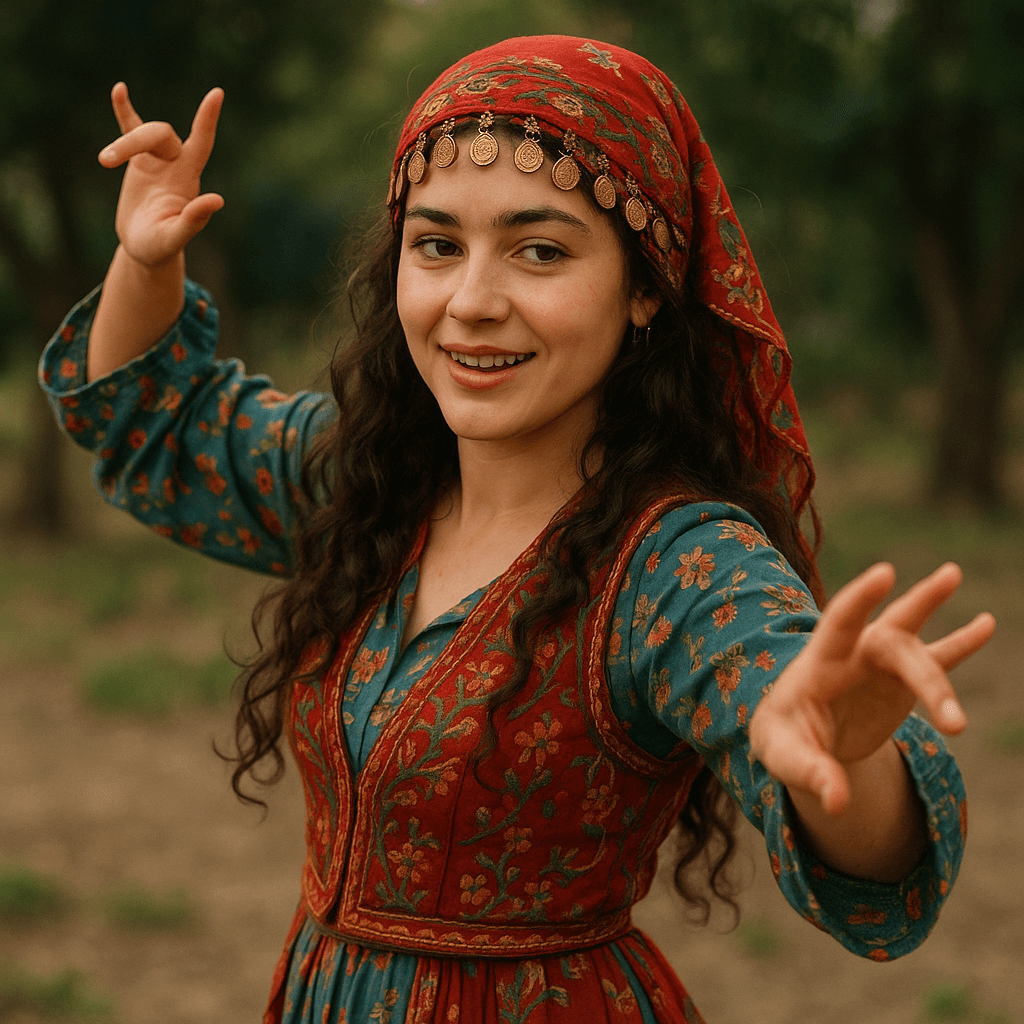
Çiftetelli is a dance performed to lively and rhythmic music. During the dance, arms are raised upward, elbows bent, and fingers snapped. One of its most distinctive features is the rhythmic side-to-side movement of the shoulders and hips, which infuses the dance with dynamism and reflects the energy of the dancers.
Çiftetelli holds an important place not only through its dance figures but also through its music. In different regions, it is known by names such as Istanbul Çiftetelli, and each region may have its own unique interpretation.
(TRT Çocuk channel, Rafadan Tayfa animated film production Çiftetelli video)
Where Is It Danced?
Çiftetelli is a significant dance form at social gatherings, weddings, and festivals. People enjoy dancing it together and create cherished memories. Known in different regions of Türkiye under various names and styles, Çiftetelli continues to find its place in both traditional and modern events.
History
Çiftetelli is a dance tradition with origins stretching back centuries and preserved to the present day through its cultural richness. During the Ottoman period, it was performed both in palaces and village squares, gradually gaining popularity across different segments of society and attracting widespread interest.
Although historically removed from official dance repertoires for about fifty years, Çiftetelli continued to live on in the collective memory of the people and during private celebrations. In later years, it regained popularity, appearing on stages both with traditional music and modern arrangements. Today, it is still performed at weddings, festivals, and cultural events, preserving traces of the past while being passed on to new generations.

(Generated by artificial intelligence.)