



What Is Exaggeration (Hyperbole)?
Exaggeration is the act of presenting something as greater or more impressive than its actual value or condition. In literature and speech, it is used to convey events and emotions more powerfully. Hyperbole, unlike ordinary exaggeration, adds art and beauty.
Where Do We Encounter It?
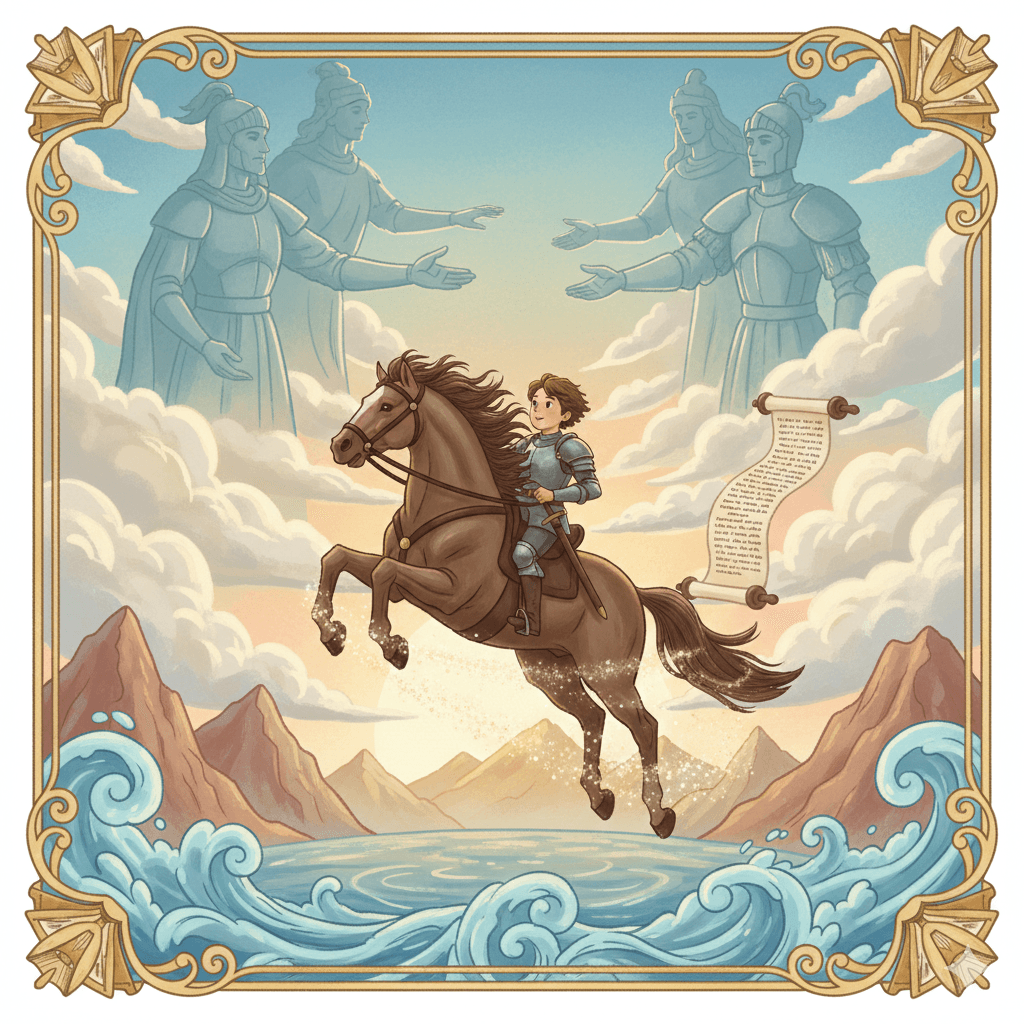
Hyperbole is frequently used in books and stories. Poets or writers may amplify events to make heroes, love, or nature more compelling. For example, a poet might say that a soldier’s ancestors descended from the sky to praise his forehead.
(Yapay zekâ ile oluşturulmuştur)
Hyperbole also appears in fairy tales and adventure stories. Horses are described as running so fast they seem to leap from earth to sky. Seas, mountains, or emotions may be portrayed as vast and extraordinary. This helps children imagine more freely and feel the stories they read more vividly.
What Is Its Purpose?
Hyperbole teaches how to use words more powerfully and effectively. It captures the attention of readers or listeners when describing a situation or emotion. In poetry and stories, it makes events and characters more striking. It also serves as a tool for children to develop imagination and alternative perspectives.

(Yapay zekâ ile oluşturulmuştur)
How Is It Done?
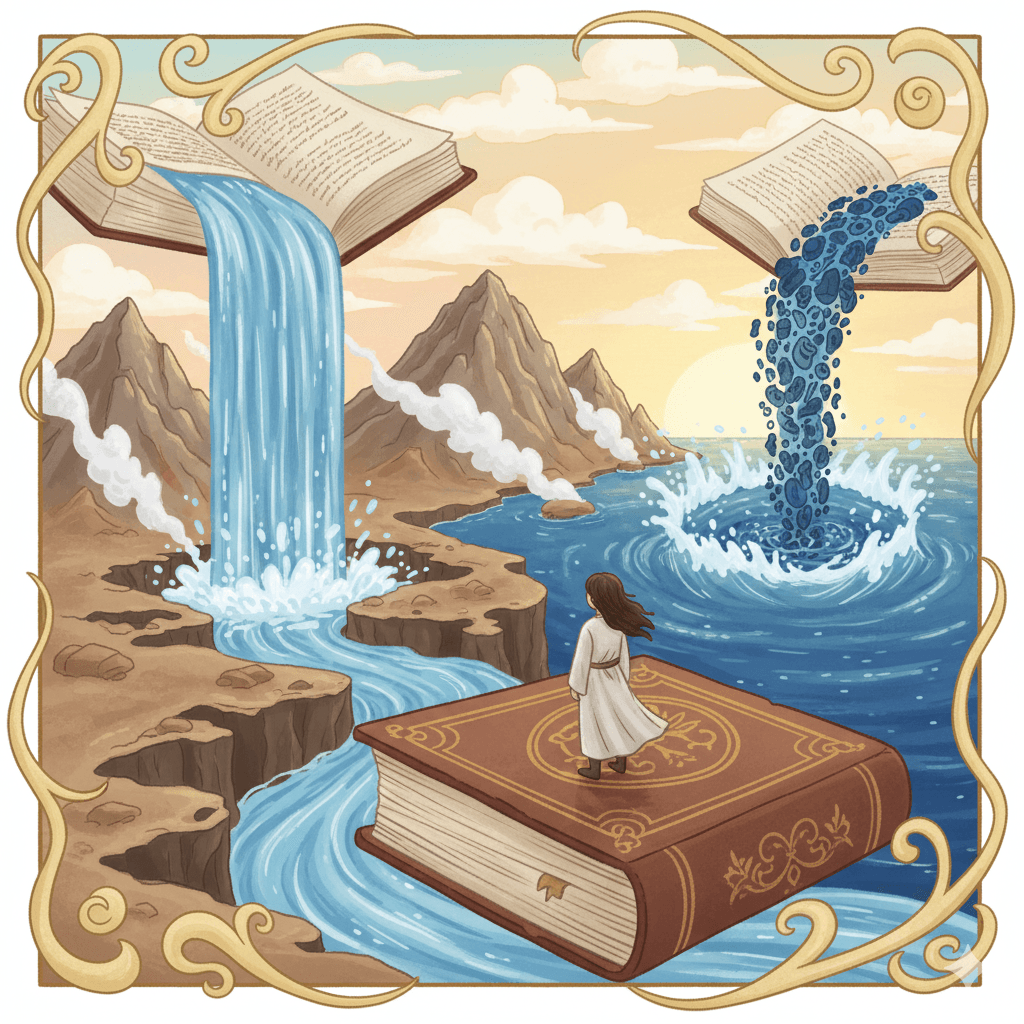
Hyperbole is achieved by slightly exceeding the literal boundaries of language. For instance, a poet might describe a cry so intense that mountains melt. Another example is saying a sorrow is so great it cannot fit into all the seas. This is accomplished through imagination and careful word choice.
(Yapay zekâ ile oluşturulmuştur)
There are different types of hyperbole. Those that conform to reason and tradition are called tebliğ, those that slightly exceed limits are called iğrak, and those that completely challenge boundaries are called gulüv. Additionally, the term ifrat is used for anything excessively emphasized, and tefrit for anything understated.
Historical and Cultural Significance
Hyperbole has existed in literature since ancient times. Emotions and events have been magnified in expression from early Arab poets to the present day. It became especially widespread during the Abbasid period, when poets crafted powerful and imaginative imagery through language.