



What Is Justice?
Justice means respecting people’s rights and treating everyone equally. It describes an order in which no one’s rights are violated and rules are applied correctly.

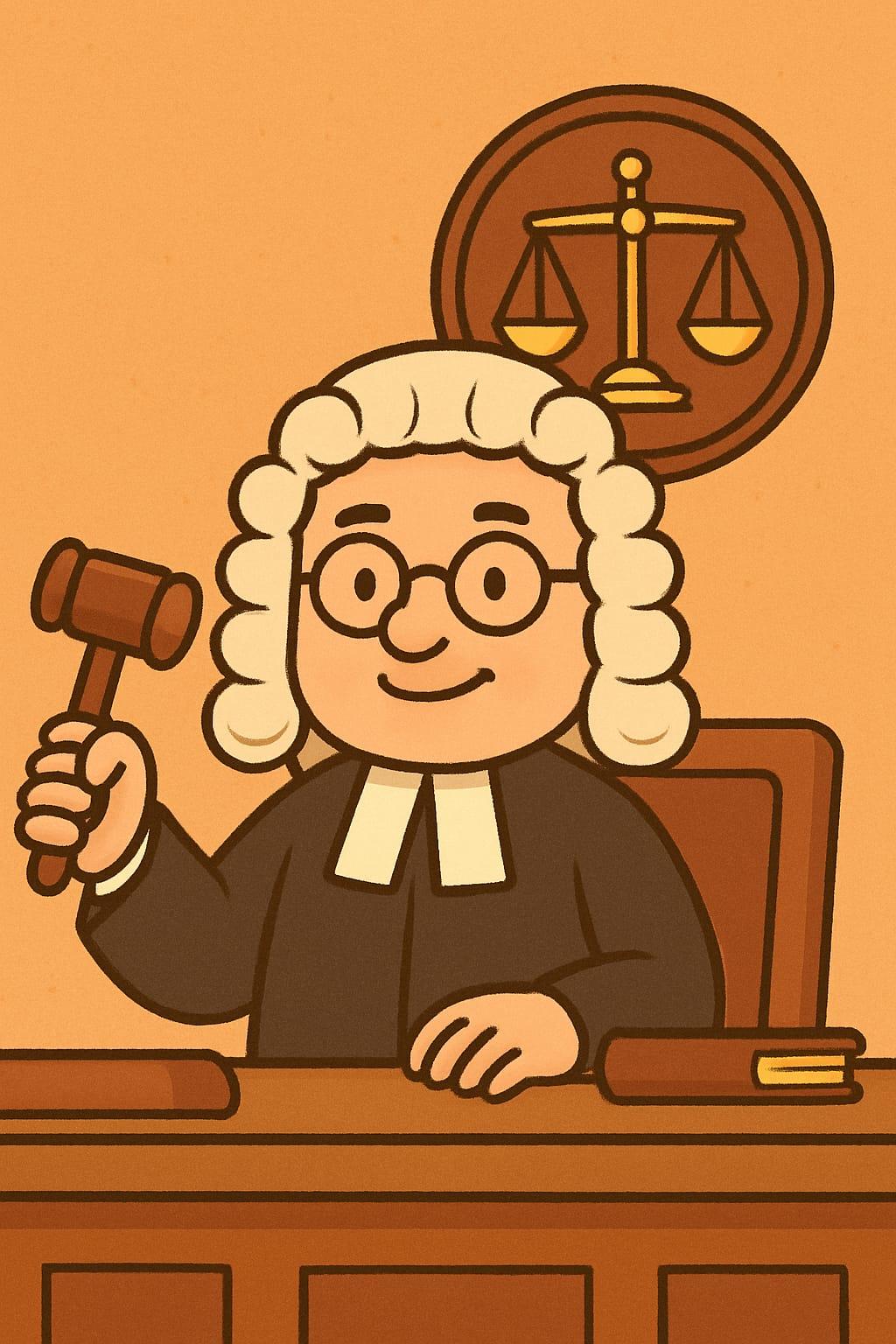
(Generated by Artificial Intelligence.)
What Is the Purpose of Justice?
Justice enables people to live with security. Where justice exists, individuals trust the rules and know they can protect themselves. Unfairness decreases and friendships increase.
The Invisible Power of Justice
Justice cannot be touched, but everyone feels its effect. When a teacher grades exams fairly or a child receives their due while waiting in line, this is the power of justice.
Same Rules for Everyone
Justice means applying the same rules to everyone. Age, gender, wealth, or familiarity make no difference. The rules are the same for all.

(Generated by Artificial Intelligence.)
The Difference Between Justice and Injustice
Justice is doing what is right. Injustice is denying someone their rights or treating them unfairly. For example, if one person cuts ahead in a race while everyone else waits their turn, that is injustice.
How Is Justice Learned?
Justice is learned not only from books but also from family, teachers, and life experiences. Thinking about rights, responsibilities, and equality from a young age helps us become just individuals.
Justice and Conscience
Conscience is the inner voice that tells us what is right. Sometimes a rule may not be written down, but our conscience whispers the right course of action. People with conscience value justice.
Where Justice Exists
Justice is not limited to courts. It must be practiced in school, at home, in the park, and even while playing games. Justice is present everywhere in daily life.

(Generated by Artificial Intelligence.)
What Is the Purpose of Courts?
Courts are special institutions established to uphold justice. When a dispute arises, people turn to courts to claim their rights. Judges and prosecutors strive to deliver fair decisions.
Laws and Justice
Laws are written rules that show how everyone should behave. To ensure justice, these rules must be followed. Laws are created to protect justice.
Constitutions and Fundamental Rights
Every country has a constitution. The constitution defines people’s fundamental rights and how the state functions. Thanks to the constitution, justice is provided equally to all.

(Generated by Artificial Intelligence.)
The Historical Journey of Justice
Justice has existed for thousands of years. In Mesopotamia, the Code of Hammurabi; in Ancient Egypt, the belief in Maat; and in the Ottoman Empire, the Kadıs all worked to uphold justice. Today’s justice system carries traces of its past.
Who Is a Just Person?
A just person is someone who does not harm others. Anyone who knows how to share, tells the truth, waits their turn, and respects others’ rights can be just.
What Can I Do to Be Just?
Behaviors such as waiting in line, respecting others’ right to speak, defending those who suffer injustice, and sharing belongings make you a just person. Small actions create big differences.
Do Children Have Rights?
Yes! Children have rights to education, play, health, and love. When a child is deprived of these rights, justice is violated. The Convention on the Rights of the Child protects these rights.
How Do We Deal With Injustice?
If injustice occurs somewhere, it must be reported to adults. Telling a teacher, a family member, or an authority figure is the first step toward correcting unfairness.

(Generated by Artificial Intelligence.)
Why Is It Hard to Be Just?
Being just sometimes requires courage. Because sometimes we must tell someone we care about that they are wrong. But just people stand by what is right, even when it is difficult.