




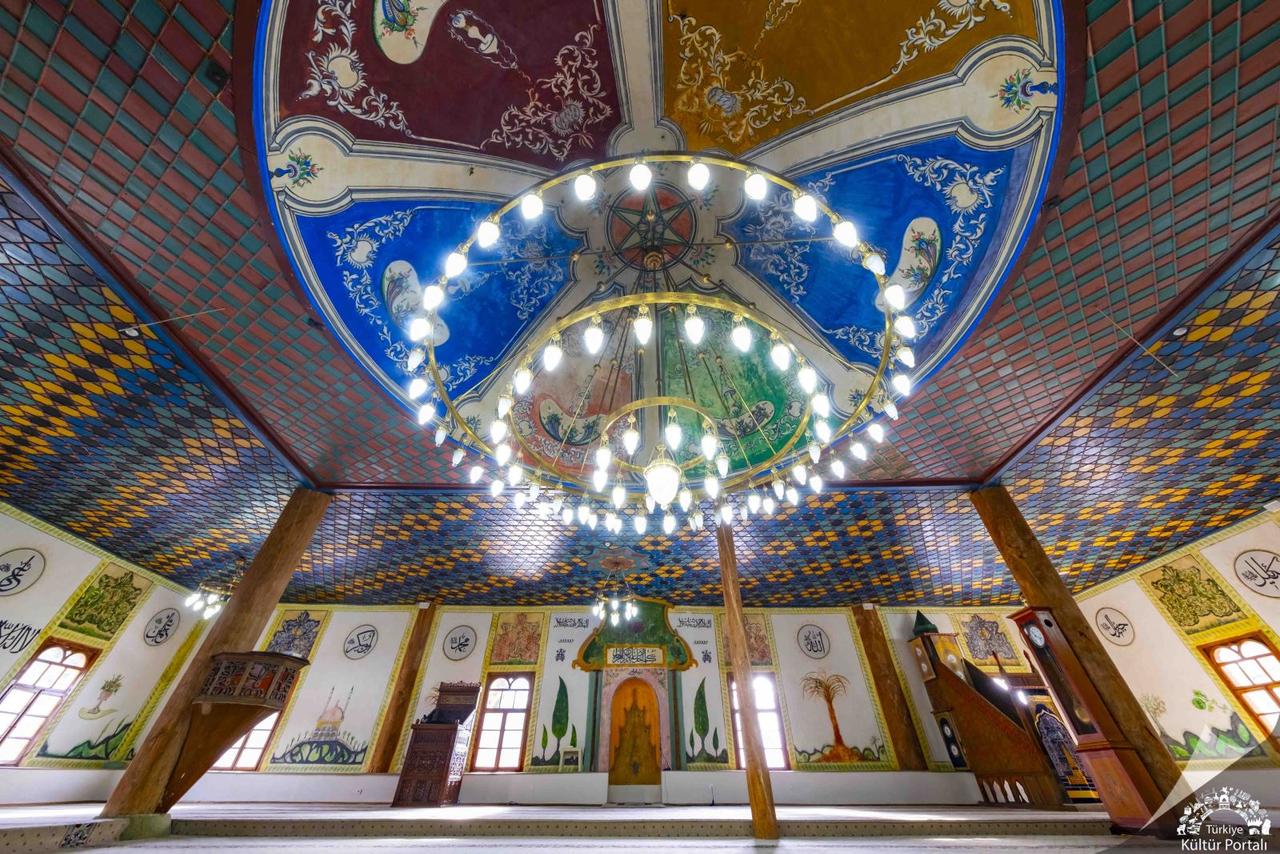
Kütahya Şaphane Kocaseyfullah Camii
Kocaseyfullah Mosque in Şaphane, a district of Kütahya in Türkiye, is an ancient structure and one of the finest examples of wooden architecture. Wooden architecture refers to buildings constructed primarily from timber. Estimated to be approximately 700 years old, the mosque is an important structure that reflects the architectural understanding and craftsmanship of its time.
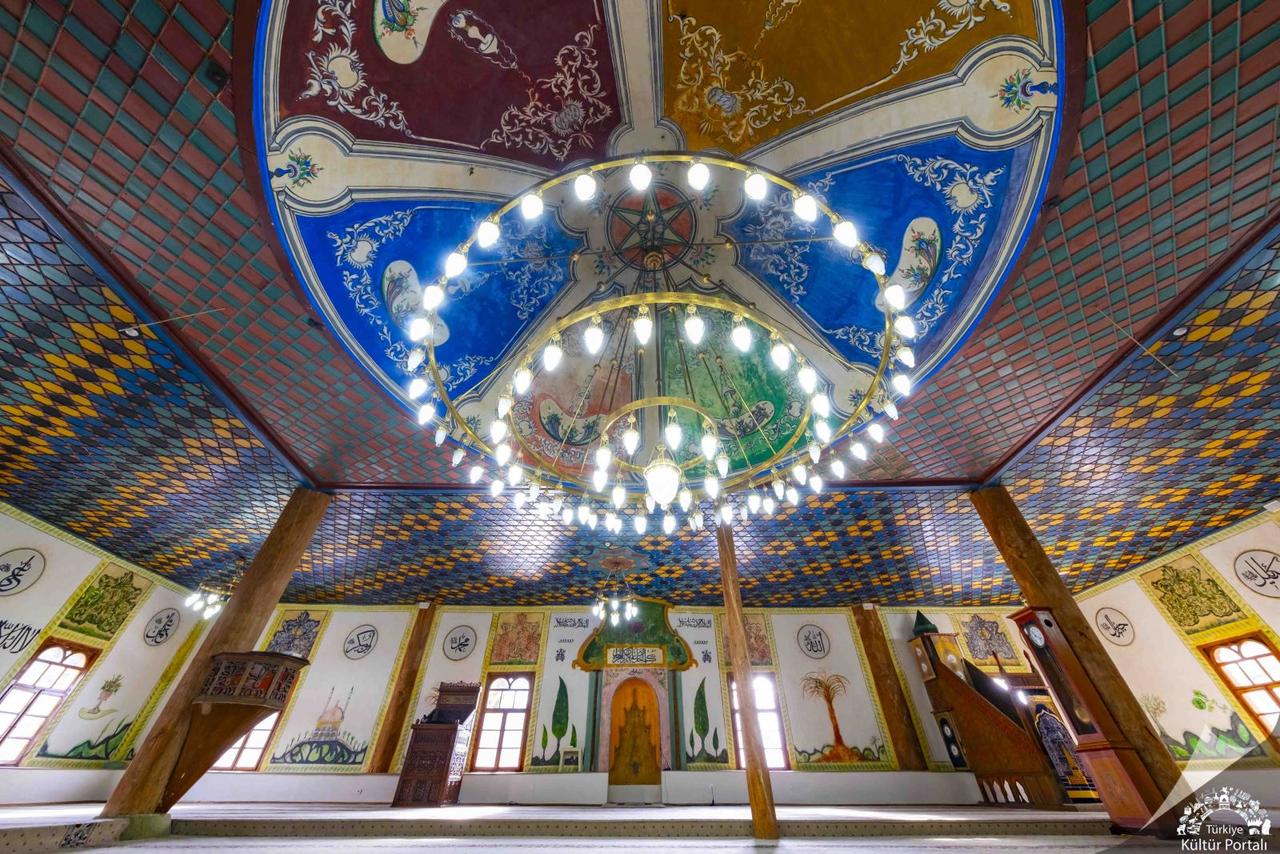
Kütahya Şaphane Kocaseyfullah Camii (Culture Portal)
When Was It Built?
Although the exact year of construction is not definitively known, some records indicate that the mosque was built around the year 1490. This date confirms that the mosque was constructed during the Ottoman period, meaning it was built approximately 530 years ago. The mosque derives its name from Koca Seyfullah, the individual who commissioned its construction. Some sources, however, suggest it may have been built during the period of the Germiyanids, a beylik that ruled over Kütahya and its surroundings before the rise of the Ottoman State.
Kütahya Şaphane Kocaseyfullah Camii (Culture Portal)
Architecture
The Kocaseyfullah Mosque in Şaphane features a structure supported by wooden pillars. Inside the building, thick and large trees have been carved into column-like forms to support the ceiling and the women’s gallery (the designated area for women’s worship in mosques). This design gives the mosque a distinctive appearance. The wooden ceiling and other wooden elements are richly adorned with handcrafted decorative motifs.
Kütahya Şaphane Kocaseyfullah Camii (Culture Portal)
Paintings and Decorations Inside
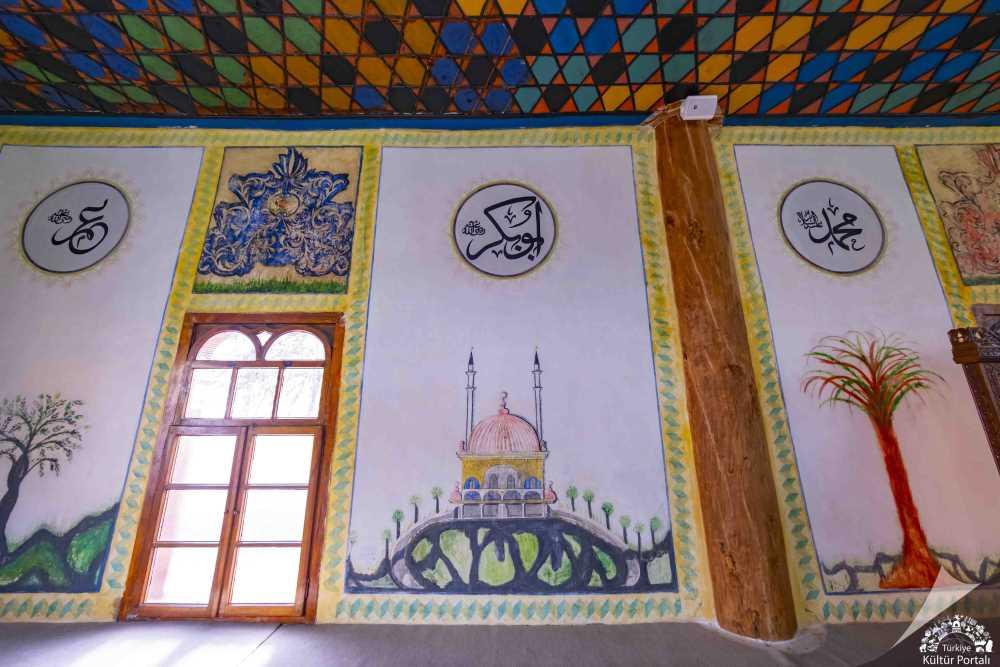
The walls, ceiling, and other surfaces of the mosque feature a special decorative technique known as kalem işi. This technique involves intricate wall paintings and motifs created with fine-tipped brushes. These decorations commonly include verses from the Qur’an, plant-based patterns, and occasionally images such as the mosque itself or the tree of life. These artworks enhance the interior with color and visual richness. The decorations do not express the artist’s emotions; rather, they serve to impart knowledge and visual depth to the structure.
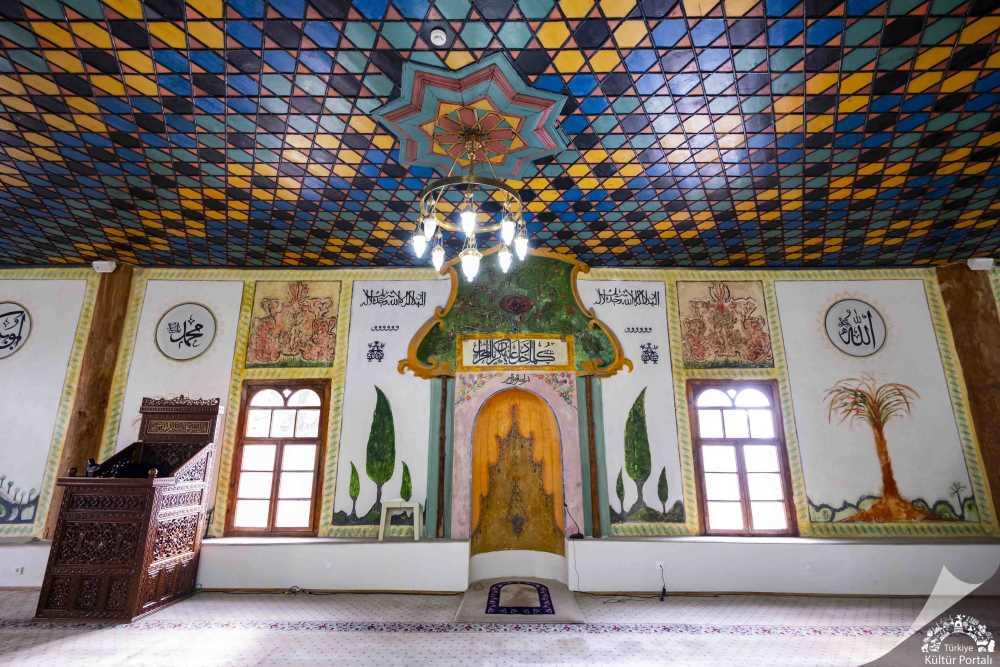
Kütahya Şaphane Kocaseyfullah Camii (Culture Portal)