

+1 More

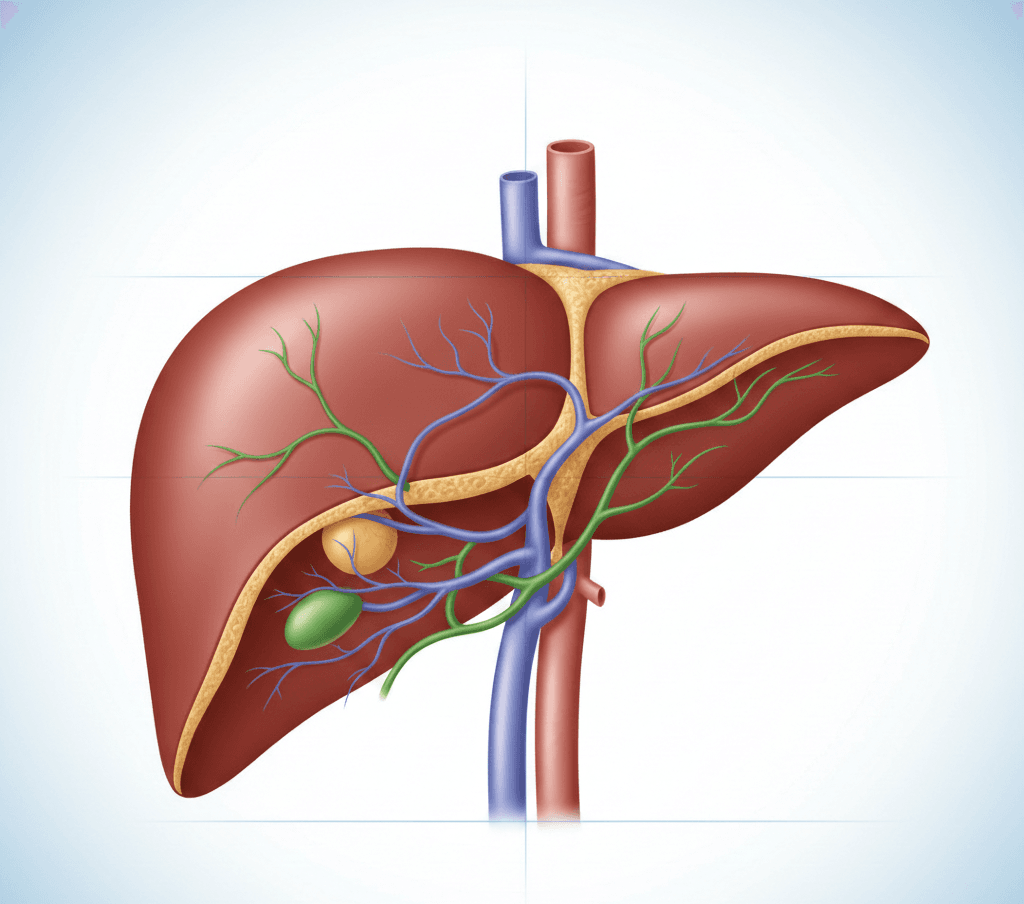
World Hepatitis Day (Generated by Artificial Intelligence)
Date(s) | July 28 | ||||||||
|---|---|---|---|---|---|---|---|---|---|
First Observed | 2010 | ||||||||
Established by | World Health Organization (WHO) | ||||||||
Purpose(s) | To provide information on the prevention and treatment of hepatitis To increase public health awareness To raise awareness of viral hepatitis | ||||||||
World Hepatitis Day is an international health observance held annually on July 28 to raise awareness about viral hepatitis and promote public understanding of the disease. Designated by the World Health Organization (WHO), the day emphasizes the importance of preventing, diagnosing and treating viral hepatitis. Its primary objective is to highlight the impact of viral hepatitis on public health and to encourage global collaboration aimed at eliminating these diseases by 2030.

World Hepatitis Day (Generated by Artificial Intelligence.)
World Hepatitis Day was established by the WHO to draw attention to the significance of viral hepatitis and its effects on public health. It was first observed in 2010 and is commemorated every year on July 28 to increase awareness about hepatitis worldwide and to provide information about transmission routes, preventive measures and treatment options.
World Hepatitis Day serves as a platform to emphasize the public health impact of viral hepatitis and to foster global cooperation in controlling the disease. The day facilitates information sharing and strengthens preventive practices for both health authorities and the general public.
Annual themes for World Hepatitis Day highlight priority areas in hepatitis prevention and control. For example, the 2023 theme was "One Life! One Liver!" emphasizing the possibility of a hepatitis-free future. The 2025 theme, “Hepatitis: Let's Break it Down,” focuses on removing economic, social and systemic barriers, reducing stigma and improving access to diagnosis and treatment. These themes reflect WHO’s efforts in hepatitis prevention, control and the importance of treatment in reducing morbidity and mortality.
Hepatitis is defined as inflammation of the liver and can be caused by various viruses, primarily Hepatitis A, B, C, D and E. These viruses can lead to chronic liver disease, cirrhosis and liver cancer. Hepatitis B and C are particularly notable for their potential to cause severe long-term liver damage.
Millions of people worldwide live with chronic Hepatitis B and C. Viral hepatitis often progresses silently and untreated cases can result in serious liver damage and cancer. Therefore, increasing awareness and improving access to diagnosis and treatment are global priorities.
In Türkiye, the Viral Hepatitis Control Program (2024–2030) aims to raise awareness among high-risk groups, strengthen immunity, prevent mother-to-child transmission, enhance hepatitis surveillance, ensure access to treatment, provide safe blood and blood components, prevent transmission among intravenous drug users and prisoners and reduce healthcare-associated hepatitis. These strategies aim to prevent viral hepatitis, reduce new cases, enable early detection, facilitate treatment and prevent progression to cirrhosis and liver cancer.
Since 2012, the implementation of Hepatitis A vaccination and improved hygiene conditions in Türkiye have led to a decline in disease incidence. Hepatitis B vaccination has been included in the routine childhood immunization schedule since 1998, significantly controlling the spread of the disease nationwide.
Warning: The content in this entry is provided for general encyclopedic purposes only. It should not be used for diagnosing, treating, or providing medical guidance. Always consult a physician or qualified healthcare professional before making any health-related decisions. The author and KÜRE Encyclopedia accept no responsibility for any outcomes resulting from the use of this information for diagnostic or treatment purposes.
T.C. Sağlık Bakanlığı Halk Sağlığı Genel Müdürlüğü Bulaşıcı Hastalıklar ve Erken Uyarı Dairesi Başkanlığı. “28 Temmuz Dünya Hepatit Günü.” Halk Sağlığı Genel Müdürlüğü Bulaşıcı Hastalıklar ve Erken Uyarı Dairesi Başkanlığı, July 25, 2025. Accessed October 25, 2025. https://hsgm.saglik.gov.tr/tr/haberler-12/28-temmuz-dunya-hepatit-gunuu.html
T.C. Sağlık Bakanlığı. “Dünya Hepatit Günü.” T.C. Sağlık Bakanlığı. Accessed October 25, 2025. https://www.saglik.gov.tr/TR-96804/dunya-hepatit-gunu.html#:~:text=D%C3%BCnya%20Sa%C4%9Fl%C4%B1k%20%C3%96rg%C3%BCt%C3%BC%20(DS%C3%96)%20taraf%C4%B1ndan,d%C3%BCnya%20i%C3%A7in%20m%C3%BCmk%C3%BCn%20oldu%C4%9Funu%20vurgulamaktad%C4%B1
World Health Organization (WHO). “World Hepatitis Day 2025.” World Health Organization. Accessed October 25, 2025. https://www.who.int/campaigns/world-hepatitis-day/2025


World Hepatitis Day (Generated by Artificial Intelligence)
Date(s) | July 28 | ||||||||
|---|---|---|---|---|---|---|---|---|---|
First Observed | 2010 | ||||||||
Established by | World Health Organization (WHO) | ||||||||
Purpose(s) | To provide information on the prevention and treatment of hepatitis To increase public health awareness To raise awareness of viral hepatitis | ||||||||
No Discussion Added Yet
Start discussion for "World Hepatitis Day" article
History
Importance
Themes
Hepatitis and Its Types
Global Situation
Global and National Measures
This article was created with the support of artificial intelligence.