
KURE Kids Header Line
badge icon

Bu içerik çocuklar için Türkçe olarak yazılmış olup yapay zeka ile otomatik olarak İngilizceye çevrilmiştir.

Humboldt Penguin

Son Güncellenme: 01.12.2025

The Humboldt penguin (Spheniscus humboldti) belongs to the family Spheniscidae. These charming birds, which live in the cold and cool waters along the coasts of South America, are distinguished by their black-and-white plumage. One of their most noticeable features that set them apart from other penguin species is the pink skin around their eyes. They are also easily recognized by the thin black stripes on their chests.


What Are Their Colors?

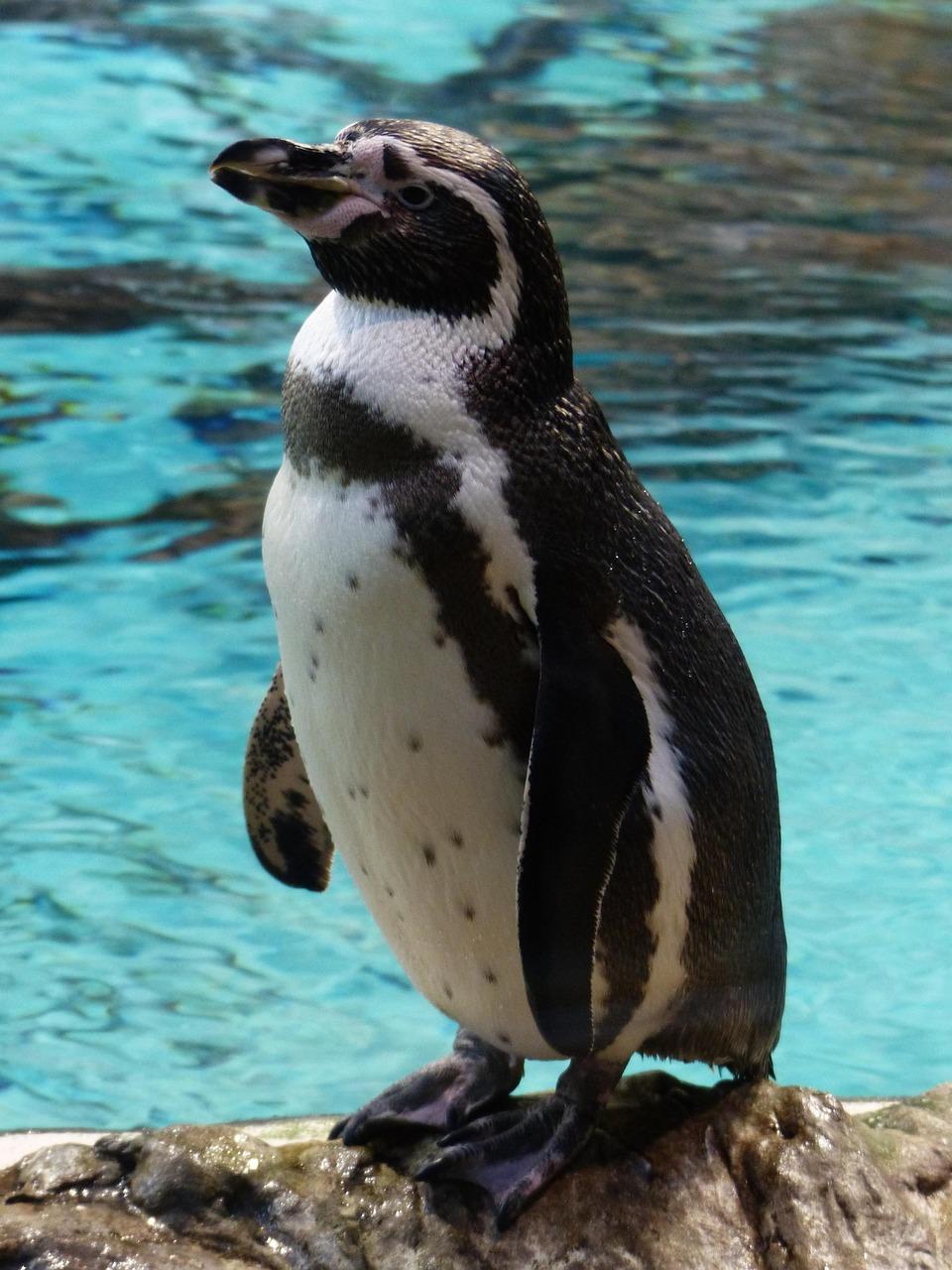
The plumage coloration of Humboldt penguins is very distinct. The upper parts of their bodies are black, while the underparts are entirely white. A narrow black band runs from the neck down to the belly on the chest region.


On their faces, a white line begins around the eyes and extends to the sides of the beak. Prominent areas of bare pink skin around the eyes are also striking. This color pattern helps them with camouflage in water and protection from sunlight.


Humboldt Penguins (Pexels)


How Large Do They Grow?

Humboldt penguins range in height from approximately 56 to 70 cm. Their weight typically falls between 3.5 and 5 kg. Males are slightly larger than females. Thanks to this medium size, they can swim swiftly in water and move easily on land.


How Long Do They Live?

The average lifespan of Humboldt penguins in the wild is about 15 to 20 years. However, under protected or favorable conditions, this can extend up to 25 years. Predators, climate change, overfishing, and habitat loss are the main factors that shorten their lives.


What Do They Eat?

In the wild, Humboldt penguins primarily feed on marine animals. They prefer small fish, especially anchovies and sardines, which form the basis of their diet. They also consume squid and crustaceans. To catch their prey, they move quickly and agilely underwater.
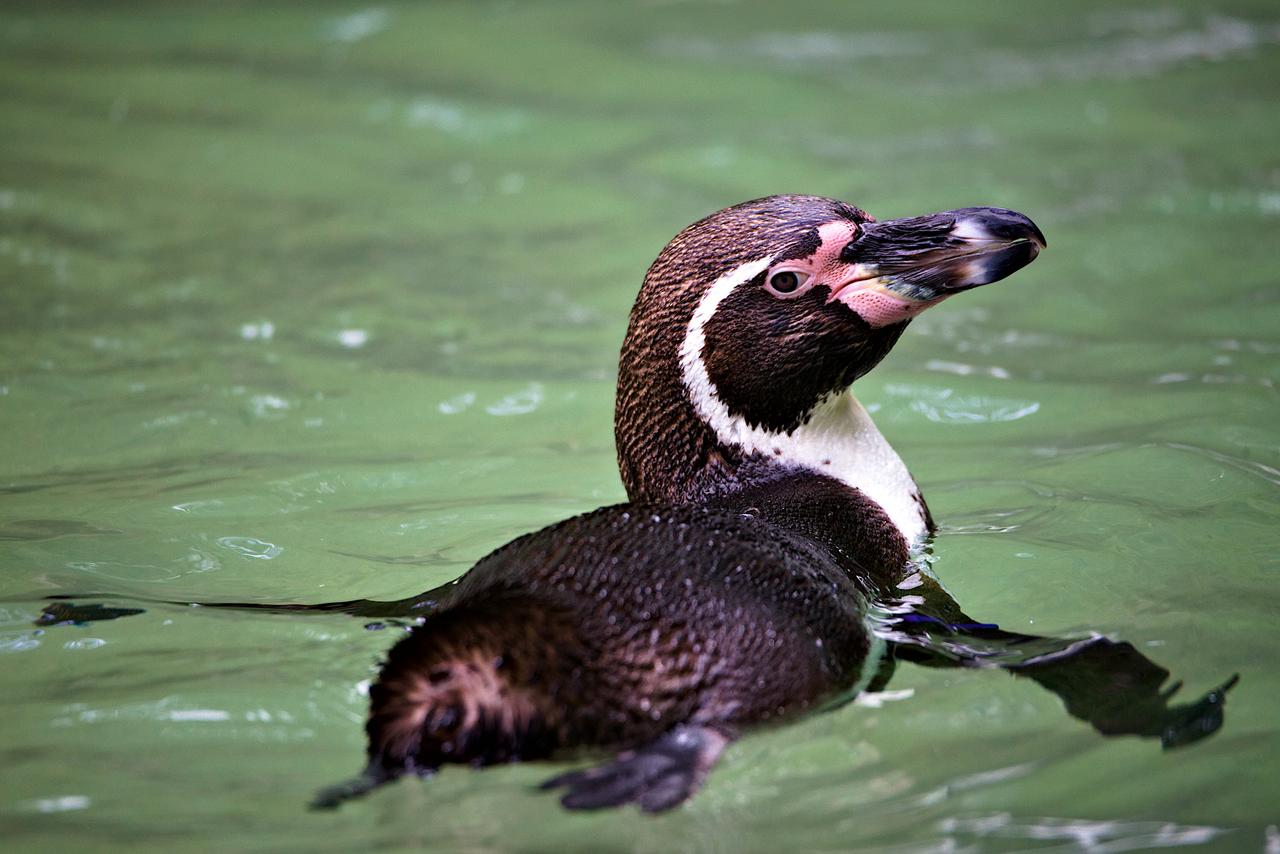

Humboldt Penguins (Unsplash)


Where Do They Live?

Humboldt penguins inhabit the western coasts of South America. They are most commonly found along the shores of Peru and Chile, particularly in the cool waters influenced by the Humboldt Current. Rocky coastlines, caves, and coastal areas are their preferred nesting sites. The cold, nutrient-rich currents in these regions provide ideal conditions for the penguins’ survival.


Conservation Status

The Humboldt penguin is classified as Vulnerable by the International Union for Conservation of Nature (IUCN). This status indicates that their populations are at risk of decline. Major threats to the species include overfishing, climate change, habitat loss, and the destruction of nesting areas.

Bunlara Göz Atmayı Unutma!
Bilim ve Teknoloji
cat img
Tarih ve Kültür
cat img
Sanat ve Edebiyat
cat img
image
En Çok Okunan
Yanmayan El Deneyi
arrow
image
En Yeni Eklenen
Robotlar Nasıl Karar Verir?
arrow
ilham-notu-bg
MERAKLI ÇOCUKLARA İLHAM NOTU!

Humboldt penguins thrive in cool ocean waters. You can be a hero for nature too! Take small but impactful steps to protect the fish in the sea, clean waters, and the nesting sites of penguins. Do not litter the ocean, reduce your use of plastic, and learn more about animals. Remember, every child who protects nature makes the world a better place! 🌍🐧✨

KURE Kids Kure Card Pin Icon
KURE Kids Kure Card Book Icon

Humboldt Penguin

Weight(s)

Female: 3.5–4.5 kg

Male: 4–5 kg

Lifespan

Approximately 15–20 years (up to 25 years under protection)

Habitat

Rocky shores and cool seas along the coasts of Peru and Chile

Conservation Status

Vulnerable

Diet(s)

Primarily small fish (anchovy - sardine) and squid

Height(s)

56–70 cm

Bunu Kim Yazdı?
Kids Writing
YazarBuse Nur ŞEN1 Aralık 2025
bottom-bg-effect-bottom
bottom-bg-effect-top

The Humboldt penguin is a medium-sized penguin species found along the western coast of South America, particularly on the shores of Peru and Chile. It is recognized by its black-and-white plumage and a black band across its chest. Its diet consists primarily of fish such as anchovies and sardines, as well as squid. It nests on rocky coastlines and depends on the nutrient-rich waters of the cold Humboldt Current. It is classified as “Vulnerable” by the IUCN, with overfishing and climate change being its greatest threats.

Kaynakça


BirdLife International. "Humboldt Penguin." Datazone Birdlife. Accessed August 27, 2025. https://datazone.birdlife.org/species/factsheet/humboldt-penguin-spheniscus-humboldti

BirdLife International. "Spheniscus humboldti." The IUCN Red List of Threatened Species. Accessed August 27, 2025. https://www.iucnredlist.org/species/22697817/132605004

Global Penguin Society. "Humboldt Penguin." Global Penguin Society. Accessed August 27, 2025. https://www.globalpenguinsociety.org/portfolio-species-16.html

Pexels. "Kayalık Kıyıda Duran Humboldt Pengueni JPG." Pexels. Accessed August 27, 2025. https://www.pexels.com/tr-tr/fotograf/kayalik-kiyida-duran-humboldt-pengueni-33253231/

Pixabay. "Penguen, Humboldt penguen, Su kuşu görseli JPG." Accessed August 27, 2025. https://pixabay.com/tr/photos/penguen-humboldt-penguen-su-ku%C5%9Fu-406530/

SeaWorld. "Humboldt Penguin." SeaWorld. Accessed August 27, 2025. https://seaworld.org/animals/facts/birds/humboldt-penguin/

Unsplash. "a penguin swimming in a body of water JPG." Unsplash. Accessed August 27, 2025. https://unsplash.com/photos/a-penguin-swimming-in-a-body-of-water-aWHV9ysDwuY

ilham-notu-bg
ilham-notu-bg
ilham-notu-bg
HEYY!
Bunları Biliyor
Muydun?
Lamb
Lamb