



Mersin Taşucu Amphora Museum
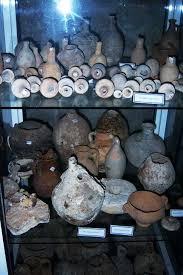
This private museum, located in Taşucu, a district of Silifke in Mersin, displays amphorae—clay vessels used in ancient times to transport olive oil and other goods. These vessels provide invaluable insights into maritime trade and daily life in the Mediterranean civilizations thousands of years ago. Amphorae serve as crucial evidence for understanding the commercial routes and products of past eras.

Mersin Taşucu Amphora Müzesi (Culture Portal)
What Is an Amphora and What Was Its Purpose?
An amphora is a large storage vessel, typically featuring two handles and a pointed base. In the Ancient Age, people used these containers to safely transport their produced goods. The pointed bases allowed amphorae to be easily placed and stabilized in ship holds or storage floors.
Taşucu was an important port city in the Ancient Age known as Holmi, through which goods from Central Anatolia reached the Mediterranean. Holmi served as a hub for the exchange of olive oil and local products as well as trade items from various regions. The artifacts in the Taşucu Amphora Museum are tangible remnants of this vibrant commercial activity.

Mersin Taşucu Amphora Müzesi (Culture Portal)
What Artifacts Are Displayed in the Museum?
The museum exhibits approximately 400 different types of amphorae. This collection spans a vast chronological range from 3200 BCE to 1800 CE, demonstrating the prolonged significance of the Taşucu port in regional trade.
The amphorae here are not limited to those from the Cilicia (Çukurova) region. Vessels produced in other Mediterranean trade centers such as Syria-Palestine, Cyprus, Rhodes, Kos, and Knidos are also present. This confirms Taşucu’s extensive commercial connections across the entire Mediterranean. These amphorae commonly transported foodstuffs such as olive oil and fish sauce.

Mersin Taşucu Amphora Müzesi (Culture Portal)
How Was the Museum Established?
The Taşucu Amphora Museum was established in a former warehouse building constructed in the early 19th century. The museum’s collection was gathered over forty years by Arslan Eyce, known for his underwater archaeological research. These artifacts were transformed into a museum by a foundation in 1997 and opened to the public in 2003 following regulations by the Ministry of Culture and Tourism.