
 Son Eklenen:

Bu içerik Türkçe olarak yazılmış olup yapay zeka ile otomatik olarak İngilizceye çevrilmiştir.
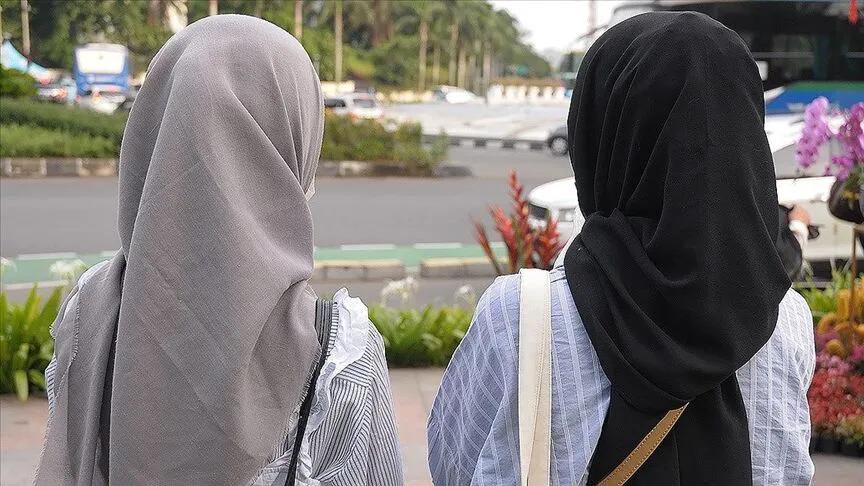
Headscarf ban for students under 14 in Austria is a regulation that prohibits female students under the age of 14 in public and private schools from wearing headscarves and came into effect in September 2026. The law, adopted by the Austrian Parliament in December 2025, was first enforced on 7 September 2026 with the start of the new school year in Vienna Lower Austria and Burgenland.
The regulation was drafted by the governing coalition composed of the conservative Austrian People's Party (ÖVP), the Social Democratic Party (SPÖ), and the liberal NEOS, and also received support from the far-right Freedom Party (FPÖ) in parliament. The only party to oppose the law in parliament was The Greens. The government argues that the regulation aims to protect the freedom and rights of girls and promote gender equality.
The new regulation prohibits girls under the age of 14 in all public and private schools across Austria from wearing "traditional Muslim" head coverings such as the hijab and burqa. Unlike a general ban on all religious symbols in schools the regulation specifically targets headscarves associated with Muslims.
In the event of a violation the school administration is first required to hold discussions with the student and their legal guardians. If the violation continues the matter may be reported to child services authorities and ultimately a fine may be imposed. The fine amount may range from 150 to 800 euros.
Teachers are also assigned responsibility in enforcing the ban. They are expected to identify students wearing headscarves and participate in the process of discussions with the student and their family. Some teachers and opposition representatives argue that this responsibility could lead to new conflicts in schools and impose an additional monitoring role on educators beyond their teaching duties.
The Austrian government defends the regulation on grounds of protecting girls and promoting gender equality. Integration Minister Claudia Bauer of the ÖVP views the headscarf as a potential source of pressure on girls. The government asserts that the regulation does not target religious freedom but aims to ensure that children reach an age where they can freely make their own decisions.
Education Minister Christoph Wiederkehr stated that constitutional requirements were taken into account during the drafting of the regulation and extensive efforts were made to ensure its compliance with the constitution. However Wiederkehr also acknowledged that it cannot be definitively stated that the Constitutional Court will not annul the law.
The Islamic Community of Austria (IGGÖ) which officially represents Muslims in Austria has opposed the regulation. The organization argues that the ban unjustifiably restricts fundamental freedom of religion and specifically targets Muslim girls.
IGGÖ has announced that it will support legal proceedings initiated by students and families who believe their fundamental rights have been violated and plans to bring the regulation before the Constitutional Court. Some civil society organizations and student groups have also argued that the regulation could increase Islamophobic discrimination and lead to the exclusion of children in educational settings.
A previous regulation banning headscarves in Austrian schools targeted students under the age of 10 and was annulled by the Austrian Constitutional Court in 2020.
The Court concluded that the regulation specifically targeted Muslim students and violated the state's obligation to religious neutrality. The ruling emphasized that the state must remain neutral toward all religions and beliefs and that any deviation from this principle requires a special and compelling justification. For this reason the new regulation introduced in 2026 is also expected to be challenged before the Constitutional Court.
The headscarf ban has prompted differing assessments among Austrian political parties. While The Greens opposed the regulation Sigi Maurer of the party argued that its implementation imposes additional responsibilities on teachers and could lead to new conflicts in schools.
The far-right FPÖ however has argued that the current regulation is insufficient and has called for a broader ban. The party demands a general prohibition of headscarves and face-covering garments in schools for both students and teachers. ÖVP leader and Chancellor Christian Stocker has also argued that broader legal measures against political Islam are necessary.
Austria's regulation differs from practices in some other European countries in scope. In France the use of conspicuous religious symbols including headscarves turbans and kippahs has been banned in public schools for approximately twenty years. Austria's 2026 regulation differs in that it specifically targets Muslim headscarves rather than all religious symbols.
Austria also prohibits the full-face veil and burqa in public spaces similar to regulations in France Belgium and Denmark. While the 2026 school regulation is defended by the government within the framework of children's rights and gender equality critics challenge it on grounds of religious freedom equality and state religious neutrality.
BBC Türkçe. "Avusturya'da 14 yaş altına okullarda başörtüsü yasağı yürürlüğe girdi." Accessed September 8, 2026.
Haber7. "Avusturya'da başörtüsü yasağı başladı." Accessed September 8, 2026.
Reuters. "Austrian headscarf ban for under-14s faces first test as schools reopen." Accessed September 8, 2026.

A regulation banning female students under the age of 14 from wearing headscarves in schools in Türkiye came into effect with the start of the new academic year. The ban, which applies to both public and private schools, provides for meetings with students and their parents in case of violations, and fines ranging from 150 to 800 euros if the violation continues.
Henüz Tartışma Girilmemiştir
"Ban on Headscarves for Students Under 14 in Austria" maddesi için tartışma başlatın
8 Eylül 2026
Scope and Implementation
8 Eylül 2026
Government Justification
8 Eylül 2026
Reaction from Muslim Organizations
8 Eylül 2026
Previous Headscarf Ban and Constitutional Court Ruling
8 Eylül 2026
Political Debates
8 Eylül 2026
Headscarf and Face-Covering Regulations in Europe