


Bu içerik Türkçe olarak yazılmış olup yapay zeka ile otomatik olarak İngilizceye çevrilmiştir.
+2 Daha
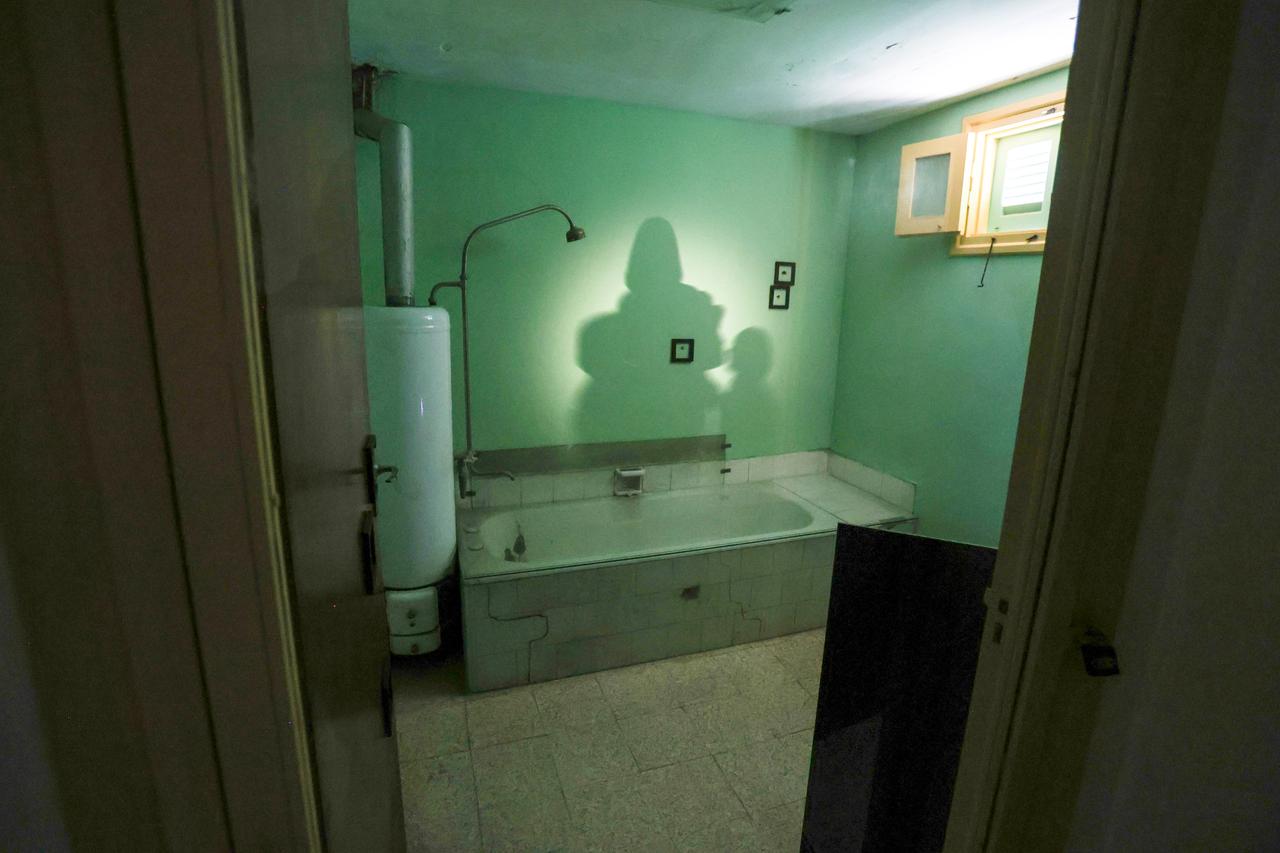
Bathroom Massacre (AA)
History | 24 December 1963 | ||||||||
|---|---|---|---|---|---|---|---|---|---|
Place | Kumsal Neighborhood Lefkoşa Cyprus | ||||||||
Other Name | Kumsal Massacre | ||||||||
Historical Context | Bloody Christmas Events | ||||||||
Perpetrators | EOKA members Greek armed groups | ||||||||
Targets | Turkish Cypriot civilians | ||||||||
Current Name | Museum of Barbarity | ||||||||
Bathroom Massacre is a massacre carried out on 24 December 1963 in the Kumsal neighbourhood of Lefkoşa, Cyprus, by Greek Cypriot armed groups against Turkish Cypriot civilians, resulting in the deaths of five people. During the intensification of attacks against the Turkish Cypriot community and the events known as the “Bloody Christmas”, members of EOKA and Greek Cypriot militia forces launched an armed raid on the Kumsal neighbourhood. During the raid, Murat, Kutsi, and Hakan İlhan, the children of Mürüvvet İlhan, wife of Lieutenant Colonel Nihat İlhan of the Turkish Cypriot Forces, were killed by gunfire while taking shelter in the bathroom of their home. In the same attack, the homeowner Feride Gudum was also killed, and four other Turkish Cypriot civilians were injured. The incident, also known as the Kumsal Massacre, became one of the symbols of the attacks and civilian losses suffered by the Turkish Cypriot community in 1963. The residence where the massacre occurred was opened to the public on 1 January 1966 as the “Museum of Barbarity”, transformed into a memorial site preserving the traces of the event and memorabilia of the victims.
On 16 August 1960, the Republic of Cyprus was established as an independent state based on the Zurich Agreements of 11 February 1959 and the London Agreements of 19 February 1959. This republic, guaranteed by Türkiye, Greece, and the United Kingdom, was founded on the principle of equal partnership between the Greek Cypriot and Turkish Cypriot communities and provided constitutional guarantees for the political rights of the Turkish Cypriot community.
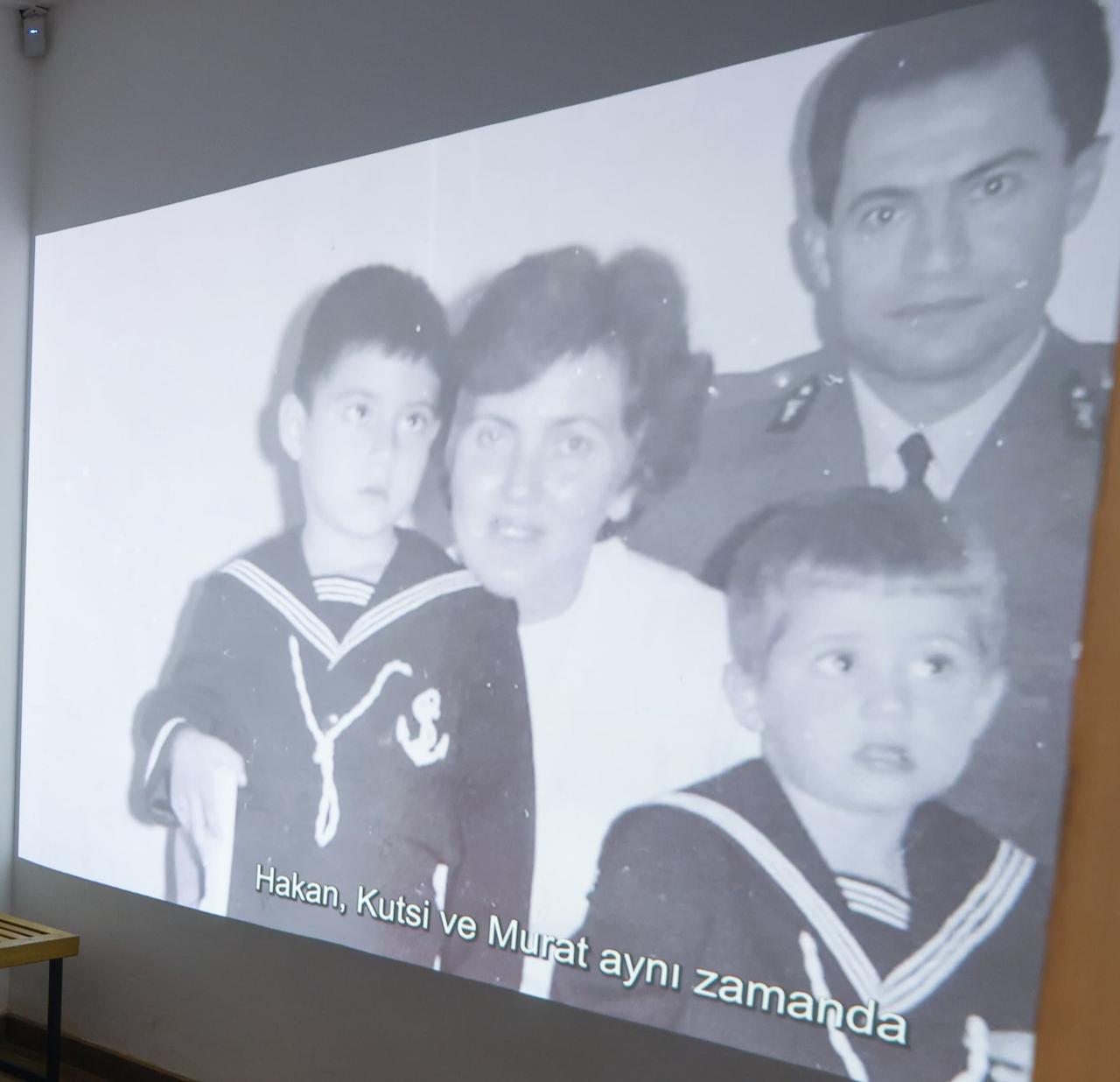
Nihat İlhan and his family (AA)
Between 1960 and 1963, the Greek Cypriot side undertook efforts to render the constitutional mechanisms and the Turkish Cypriot community’s veto rights ineffective. During this period, under the leadership of Interior Minister Polikarpos Yorgacis, President Makarios, Glafkos Klerides, and Nikos Sampson, the Akritas Plan was formulated with the aim of neutralizing the Turkish Cypriot community on the island and achieving Enosis. In accordance with the plan, a trained militant cadre of 5,000 personnel and a reserve force of 5,000 were armed. Additionally, pressure against the Turkish Cypriot community was increased through official institutions, the media, and schools; Greek flags were hung on official buildings and the Greek national anthem was played.【1】
Tensions escalated into a military and political crisis when President Makarios proposed on 30 November 1963 a thirteen-point constitutional amendment that sought to downgrade the constitutional status of the Turkish Cypriot community and restrict its partnership rights. The Republic of Türkiye and the Turkish Cypriot side rejected this proposal, which undermined the fundamental structure of the constitution. Following the rejection of the constitutional changes, the Greek Cypriot administration and armed groups heightened tensions by erecting barricades around Turkish Cypriot settlements and subjecting them to identity checks and armed harassment, bringing the military and political environment on the island to the brink of full-scale conflict by 21 December 1963.【2】
At around 02:00 on the night of 20 December 1963 leading into Friday, 21 December 1963, a confrontation erupted after Greek Cypriot police attempted to stop and search two vehicles carrying six men and four women from Kırkgeçit returning to their homes in the Tahtakale district of Lefkoşa. The Greek Cypriot civilians and uniformed police opened automatic fire, resulting in the deaths of Zeki Halil and Cemaliye Emirali, the first fatalities of the conflict. Immediately after the attack, Greek Cypriot armed elements intensified tensions through ambushes and gunfire targeting students of Lefkoşa Turkish High School, the Atatürk Monument, and the Aspava Bar area along Girne Street. In response to these acts of aggression, the command structure of the Turkish Resistance Organization (TMT), which had operated clandestinely until then, decided to emerge publicly and establish defensive positions in Turkish Cypriot neighbourhoods and villages.【3】
Fighting spread across the entire island from Monday, 23 December 1963, and intensified as EOKA militants and militia forces increased their systematic attacks against the Turkish Cypriot population. EOKA units raided the village of Ayvasıl (Ayios Vasilios) near Lefkoşa, captured 21 Turkish Cypriots, bound their hands, and executed them before burying their bodies in a mass grave. The attacks also extended to medical facilities; wounded Turkish Cypriot patients hospitalized at Lefkoşa State Hospital were denied blood transfusions, and armed Greek Cypriot groups entered wards and abducted 21 Turkish Cypriot patients from their beds, killing them. In the initial phase of the attacks, 92 Turkish Cypriots in Lefkoşa alone were killed, 146 were wounded, and dozens were taken captive and disappeared.【4】
The pressure and attacks by Greek Cypriot armed groups quickly extended beyond the boundaries of Lefkoşa, targeting Turkish Cypriot settlements in Famagusta, Larnaca, and rural areas. During the attacks, 103 Turkish Cypriot villages on the island were raided and completely emptied, forcing thousands of Turkish Cypriots to abandon their homes and lands. Displaced civilians sought refuge in safer areas with concentrated Turkish Cypriot populations such as Hamitköy (Hamitmandres), Gönyeli, Fota, Ağırdağ, and Ayakebir. Tent cities were established in these areas to meet the shelter, food, and medical needs of the displaced population.
On 25 December 1963, as attacks against the Turkish Cypriot community continued, the Republic of Türkiye activated its military deterrent. The Turkish Cypriot Forces Battalion left its garrison and occupied strategic positions, while Turkish Air Force fighter jets conducted low-altitude warning flights over Lefkoşa. Faced with the Turkish jet flights over Lefkoşa and Türkiye’s firm stance, President Makarios was compelled to accept a ceasefire. During the period from the start of the attacks, a total of 364 Turkish Cypriots were killed, and the power-sharing administration on the island effectively came to an end.【5】
Following the ceasefire, diplomatic negotiations were conducted with representatives of the guarantor states: the United Kingdom, Türkiye, and Greece. In Nicosia, under the guidance of the British Commissioner, an arrangement was implemented to prevent further clashes and to separate the communities. On 30 December 1963, a neutral buffer zone was demarcated, dividing Nicosia into Turkish and Greek Cypriot sectors; this line, drawn on the map, became known as the “Green Line.” With the establishment of this line, Nicosia became the first divided city on the island, and British peacekeeping forces began patrolling the boundary.
On the evening of 24 December 1963, the Kumkale neighborhood of Nicosia became a target for Greek Cypriot armed elements due to its strategic position, which had been left undefended and effectively rendered a dead zone within Turkish defensive lines. After Avrakami, an Armenian resident living among the Turkish Cypriots in the neighborhood, informed Greek Cypriot forces that no members of the Turkish Resistance Organization (TMT) or defensive fortifications were present in the area, the attack plan was put into action. Under the command of the Greek officer codenamed Terezepulos, more than 150 EOKA militants and militia forces advanced toward civilian residential areas from the strategically elevated Severis Flour Mill, which had been fortified with heavy machine guns providing intense suppressive fire, thereby surrounding the neighborhood.【6】
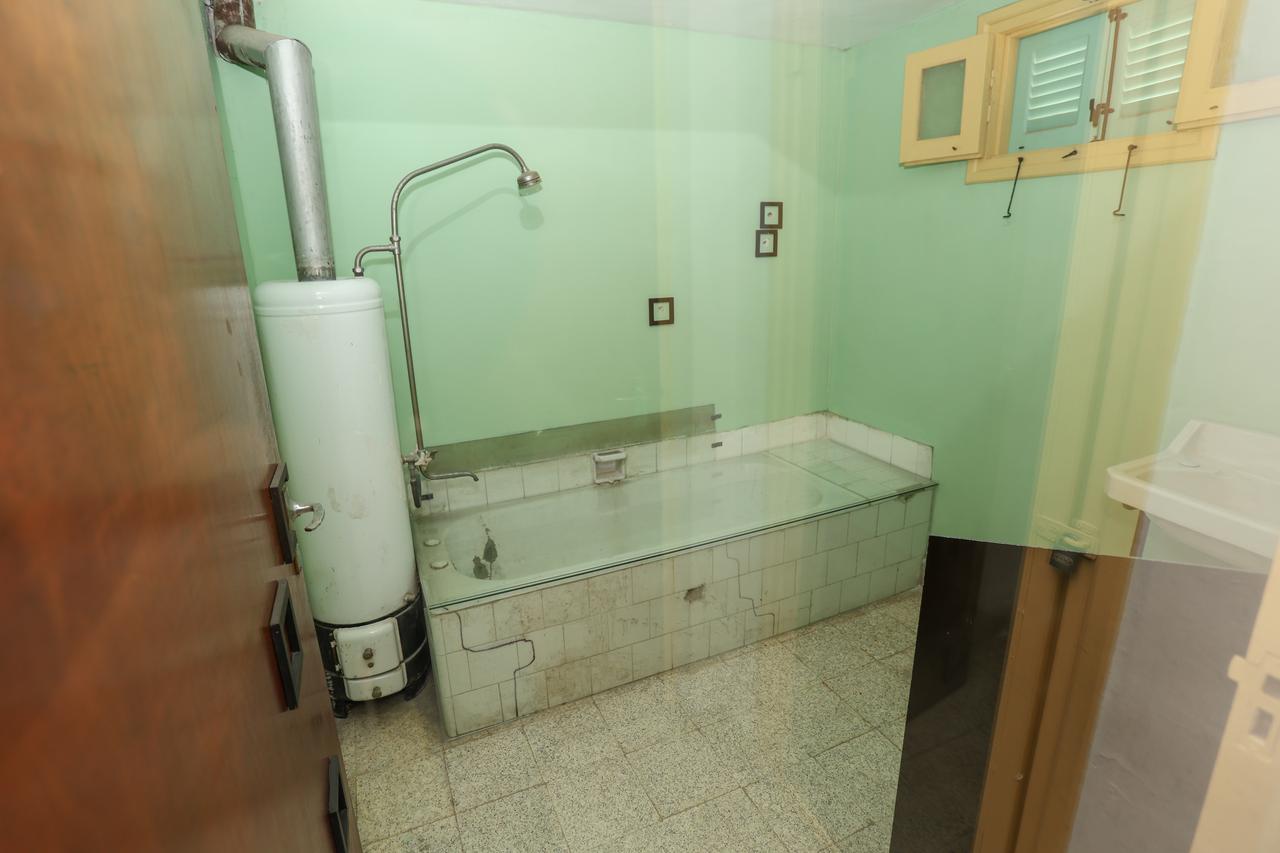
The Bathroom Where the Massacre Took Place (AA)
At number 2 Irfan Bey Street (now Mürüvvet İlhan Street), where the raid occurred, there stood a single-story rented house occupied by Binbaşı Nihat İlhan, a physician serving with the Cyprus Turkish Forces Regiment at the military hospital. At the time of the attack, the house contained nine civilians: Nihat İlhan’s 37-year-old wife Mürüvvet İlhan; their six-year-old son Murat, four-year-old son Kutsi, and six-month-old son Hakan; the homeowners, 70-year-old Hasan Yusuf Gudum and his 65-year-old wife Feride Gudum; and neighbors 24-year-old Ayşe Cankan, her two-year-old daughter Işıl Cankan, and 35-year-old Növber İbrahimoğlu. Upon hearing the sound of automatic weapons approaching from the direction of Kanlıdere and upon Hasan Yusuf Gudum’s warning, the occupants turned off all lights and took shelter in the bathroom and toilet at the rear of the house, locking the bathroom door for protection from bullets.【7】
The Greek Cypriot militants broke through the front door and entered the house. After searching the rooms, they opened sustained automatic fire at the locked bathroom and toilet doors. Mürüvvet İlhan, attempting to shield her children, lay on her back inside the bathtub, covering them with her body; she was struck by 27 bullets and died alongside her three sons in the bathtub. Feride Gudum, who had taken refuge in the adjacent toilet cubicle, was killed by a bullet to the head. As the attackers continued firing through the door, Mürüvvet İlhan and her three children, along with Feride Gudum in the adjacent toilet, were killed at the scene.【8】
Növber İbrahimoğlu, who tried to hold the wooden bathroom door shut from behind, was severely wounded by bullets striking his hand; due to extensive tissue damage, his wrist was later amputated. Two-year-old Işıl Cankan, who had hidden beneath the sink in the bathroom, suffered a shattered kneecap. Ayşe Cankan sustained multiple bullet wounds to her leg, resulting in loss of function. Hasan Yusuf Gudum was shot in the arm. The severely wounded civilians, unable to move and with fighting still raging outside, remained in pools of blood until dawn, when medical assistance finally arrived after daylight allowed access to the area.【9】
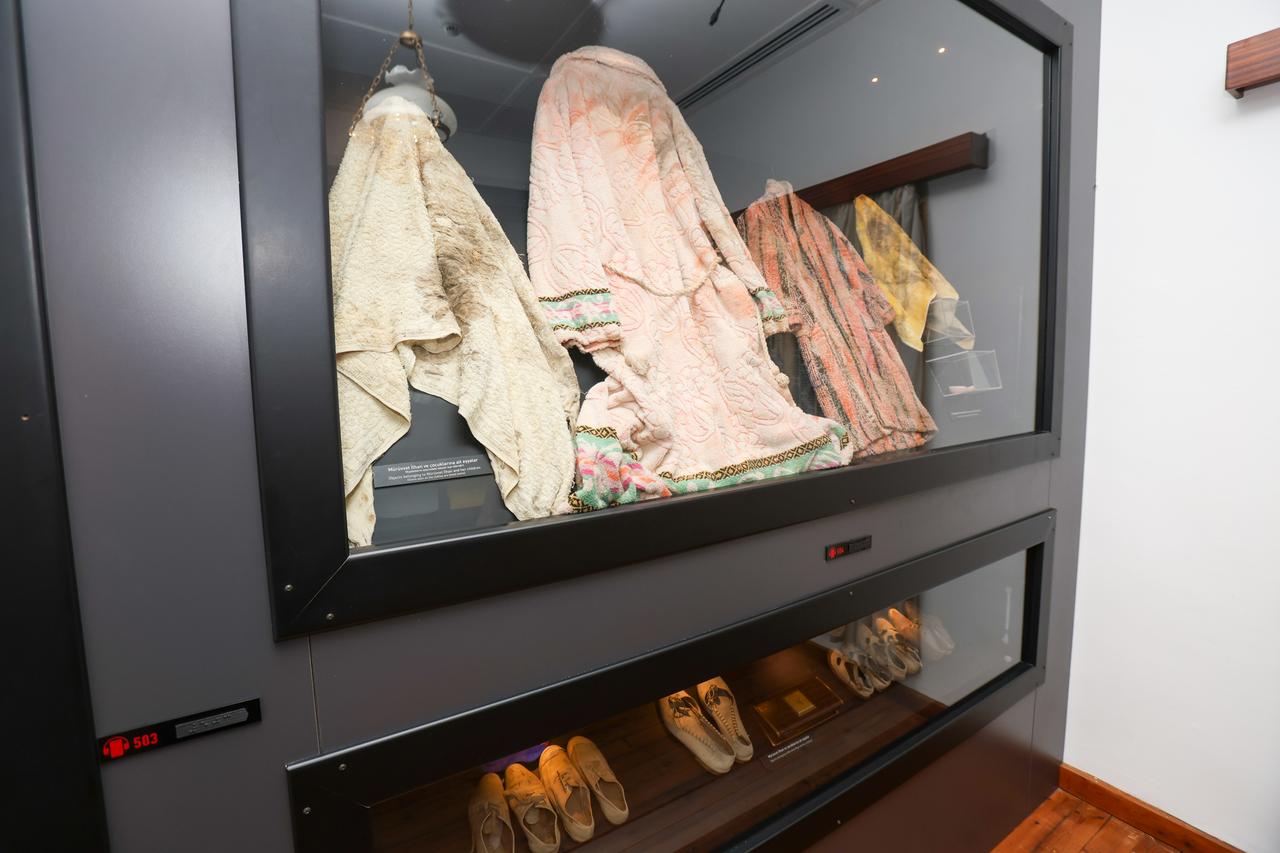
The belongings of the murdered family (AA)
During the raid, Erdoğan Rıfat, who was in his home, fired an hunting rifle from the roof in defense and wounded one of the attackers, before being killed by sustained automatic fire. At the same time, a five-member TMT unit (Yılmaz Bora and his team), assigned to neutralize the heavy weapons at the Severis Flour Mill, arrived at the scene and engaged in direct combat with Greek Cypriot forces. Three TMT members were killed in the fighting; Yılmaz Bora suffered a severe chest wound. Assessing that reinforcements were arriving from the opposing side, the Greek Cypriot forces panicked and withdrew from the area, abandoning their officer’s helmet bearing the inscription “Katsonis” and their ammunition at the scene.【10】
Nihat İlhan, who served as the Chief Medical Officer of the Cyprus Turkish Forces Regiment, is a graduate of the Military Medical Academy. After the massacre, İlhan returned to Türkiye, continued his military medical service, and retired with the rank of Brigadier General. In 1984, he was appointed to the position of Director General of the Prime Ministry Social Services and Child Protection Organization, where he oversaw institutional services for homeless and orphaned children in state orphanages. İlhan died on 23 November 2016 at the age of 92 in Ankara due to organ failure. His funeral prayer was held at the İzzetpaşa Mosque in Elazığ, followed by an official military ceremony, after which he was laid to rest at the İcadiye Military Cemetery in his hometown of Elazığ. At the funeral, Kemal Dürüst, Minister of Public Works and Transport of the Turkish Republic of Northern Cyprus, presented the TRNC flag, while Murat Zorluoğlu, Governor of Elazığ, presented the Turkish flag to the deceased’s son, Mustafa Necmi İlhan.
Mürüvvet İlhan, who lost her life in the residence in Kumsal Mahallesi, was a 37-year-old homemaker born in Zonguldak. The martyred children were Murat İlhan, aged six and a student at Köşklüçiftlik Primary School; Kutsi İlhan, aged four and a preschool student; and Hakan İlhan, a six-month-old infant. From Nihat İlhan’s second marriage in Türkiye, seven years after the incident, to Tülay İlhan, two children were born: Ayşe Şebnem İlhan and Professor Dr. Mustafa Necmi İlhan. Including Professor Dr. Mustafa Necmi İlhan, who is a member of the Ministry of Health Coronavirus Science Board and Dean of the Faculty of Medicine at Gazi University, a total of nine physicians have been educated within the family. The three support vessels conducting drilling operations in the Eastern Mediterranean by Türkiye Petrolleri were named “Murat İlhan,” “Kutsi İlhan,” and “Hakan İlhan” in memory of the martyred children.
Feride Hasan Gudum, the owner of the residence who died in the raid, was 65 years old. Her husband, Hasan Yusuf Gudum, aged 70, was injured and transported to Mersin and Ankara for treatment. Among the neighbors in the house, Növber İbrahimoğlu, aged 35 (born in 1928), suffered severe tissue damage to his hand and underwent amputation at the wrist; after surgical treatment in Ankara and London, he settled in the village of Mora. Ayşe Cankan, aged 24 (born in 1939), sustained permanent tissue loss due to bullet wounds to her leg and spent the rest of her life in Kumsal Mahallesi, Lefkoşa. Her daughter Işıl Cankan, who was two years old at the time of the raid (born in 1961), suffered a shattered kneecap. During the raid, the civilian fighter Erdoğan Rıfat, who intervened with a hunting rifle, lost his life in the clash.
The armed elements responsible for the attack consisted of members of EOKA (Cyprus National Liberation Organization) and its successor, ex-EOKA militants, as well as Greek Cypriot police forces. The political and military planning of the attack involved the President of the Republic of Cyprus, Makarios; the Minister of Interior, Polikarpos Yorgacis; the commander of the Greek Cypriot Guard, General Yeoryos Grivas; Glafkos Klerides; and Nikos Sampson, founder of OPEK. From the military command on the ground, the responsibility lies with General Kizikis, who led the Greek Cypriot militants and was involved in the coup attempt in Greece; the Greek officer operating under the code name Terezepulos; and the Chief Inspector of the Greek Cypriot Police, Pandelis (Pandelidis), who commanded civilian-dressed police units.【11】
Immediately after the raid, the physical crime scene in the residence in Kumsal Mahallesi was examined by members of the Turkish Resistance Organization (TMT), Memduh Erdal and Nevzat Uzunoğlu. The examination revealed dense bullet holes and bloodstains on the entrance steps, corridor, and locked bathroom door. The lifeless bodies of the mother, Mürüvvet İlhan, and her three children were found in the bathtub, while the body of Feride Gudum was discovered in the adjacent toilet cubicle. The 7.62 mm cartridge casings collected from the scene were determined to be of NATO standard and were found only in the inventory of the Greek Battalion on the island. The military helmet bearing the inscription “Katsonis” and an American-made .45 caliber Thompson submachine gun, abandoned by fleeing EOKA militants at the scene, were documented as evidence and transported to Ankara, with some items later delivered to the Istanbul Military Museum.【12】
The initial physical condition of the crime scene was documented through photographic records taken by Memduh Erdal and Mustafa Bey (“Foto Basın”) under the instructions of the TMT command. Journalist Ömer Sami Coşar also arrived at the scene and conducted a field investigation and visual documentation. The visual evidence, bullet casings, and incident report were immediately presented to Kemal Coygun, Commander of TMT Lefkoşa, Dr. Fazıl Küçük, and Rauf Denktaş. The bullet casings were also shown to United Nations (UN) Liaison Officer Mecer Mercy, who arrived to conduct an investigation. Photographs depicting the fatalities in the bathtub were transmitted to international press outlets and disseminated to global public opinion.
During the incident, Tabip Binbaşı Nihat İlhan, who was continuously treating wounded patients at the hospital, learned of his family’s murder three days later from Ambassador Mazhar Özkol at the Turkish Embassy in Lefkoşa. While at the embassy, İlhan provided the first medical assistance to a pregnant Greek Cypriot woman and her husband, who were experiencing labor pains and were terrified by the fighting; he arranged for the woman to be transferred to the clinic of Dr. Kaya Bekiroğlu, where she gave birth.【13】 The Chief of the General Staff at the time, General Cevdet Sunay, contacted İlhan by telephone to offer condolences. The correspondent of the Daily Mail, one of the international observers who entered the scene, reported on the green-and-white house in Kumsal, the orange trees, and the bathtub filled with blood. British intelligence officer Lieutenant Martin Packard recorded in his official investigation report that 25 Turkish patients abducted from Lefkoşa State Hospital were murdered by Greek Cypriot medical staff and then processed through meat grinders before being scattered in a farm.
3 Children on the Lap, 27 Bullets on the Back (BRT ARŞİV)
Növber İbrahimoğlu, wounded in the hand behind the bathroom door, Ayşe Cankan, wounded in the leg, and her daughter Işıl Cankan, who took shelter under the sink, recorded that the attack was carried out by Greek Cypriot militias shouting “Zito Enosis” slogans and that they waited for help in pools of blood until dawn. The wounded—Hasan Yusuf Gudum, Ayşe Cankan, and Növber İbrahimoğlu—were sent to Türkiye for treatment, and their official petitions submitted to the Turkish Red Crescent General Directorate and the Prime Ministry, along with their medical records, have been archived by the Turkish Red Crescent. Birsen Şemsettin, a kindergarten teacher and the mother of the slain Kutsi İlhan, also included her testimonies regarding her family in official records. In the documentary titled “Three Children in the Arms, Twenty-Seven Bullets on the Back,” prepared under the leadership of Muharrem Özdemir by Girne American University and BRT in order to historically and documentarily record the event, testimonies, visual evidence, and official archival documents were published.
Following the attacks, mass protest rallies were organized in numerous provinces and districts across Türkiye, including Artvin, Diyarbakır, Konya, Ereğli, Kütahya, İskenderun, Malatya, Elazığ, Keban, and Edirne, and Turkish youth demonstrations continued until March 1964. Veterans of the Korean War, expressing their outrage at the United Nations’ stance on the events, decided to return their medals. The process began when Private Hasan Yağcılar returned his U.S. Medal of Merit and Korean War Medal, and by April 1964, the number of veterans who had returned their medals had reached 385.【14】
The events received extensive coverage in both domestic and foreign press outlets. In the Turkish Cypriot press, the newspaper Halkın Sesi began publishing lists of martyrs and wounded starting with its issue of 25 December 1963, while in Türkiye, the newspapers Zafer, Dünya, İstiklal, Hürriyet, and Bozkurt carried detailed reports on the developments. In the international press, the British newspaper Daily Express published on 28 December 1963 eyewitness accounts from journalists in the conflict zones, while Daily Telegraph and Daily Mail published reports on the situation on the island. The Greek Cypriot publication The Cyprus Weekly and Cyprus Radio, meanwhile, disseminated official statements aligned with the Greek Cypriot administration.
The attacks of 21 December 1963 effectively ended the power-sharing structure, constitutional order, and social balance of the Republic of Cyprus, established on 16 August 1960. With the collapse of the bi-communal state, Turkish Cypriots were completely excluded from state institutions, public services, and legislative activities. As a result of the attacks, 103 Turkish settlements on the island were evacuated, and the population was forced to seek refuge in safer areas. Between 1963 and the 1974 Turkish Peace Operation, the Turkish Cypriot community was confined for eleven years to narrow, isolated enclaves covering approximately three percent of the island’s total area. To ensure governance and social defense during this period, local administrative mechanisms were established, forming the foundation of the institutionalization process that culminated in the Autonomous Turkish Cypriot Administration, the Turkish Cypriot Federated State, and ultimately the declaration of the Turkish Republic of Northern Cyprus (TRNC) on 15 November 1983.
The dates of 21–25 December, when the attacks occurred, are officially recognized each year within the administrative structure of the Turkish Republic of Northern Cyprus as the “National Struggle and Martyrs’ Week.” Every year during these dates, official commemoration ceremonies are held with the participation of state officials, institutional representatives, and members of the public. As part of these commemorative events, wreath-laying, moments of silence, and flag-lowering ceremonies are conducted before the Memorial to the Martyrs of the Kumsal Invasion, built on the grounds where the events took place. Additionally, within commemorative programs across the TRNC, the names of civilian and combatant victims of the attacks are documented and incorporated into collective memory.
The single-story residence at number 2 Irfan Bey Street, where the massacre occurred, was placed under protection by the Turkish Cypriot Community Council and public administration, and officially opened to the public on 1 January 1966 under the name "Barbarlık Müzesi" (Museum of Barbarity). Within the museum, the bathroom and toilet areas where the attack took place, along with bullet holes in the walls, plaster damage, and bloodstains, have been preserved in their original state. Personal belongings of Mürüvvet İlhan and her children, bloodstained clothing, and newspaper clippings and photographs from the international press of the period are exhibited in the space. Moreover, the museum’s walls and panels display a list of the names of Turkish Cypriots killed in attacks between 1963 and 1968.
The Museum of Barbarity has undergone comprehensive restoration and environmental improvement works carried out by the Turkish Cooperation and Coordination Agency (TİKA), which modernized its technical infrastructure. As part of the restoration project, the building’s historical and architectural integrity has been preserved, while electronic guide systems, audio narration rooms, and a chronological exhibition room have been integrated. Within the museum’s digital memory pool, more than 2,000 historical documents, archival records, and photographs from the period 1963–1974 have been digitized and made accessible. Through these enhancements, the museum has been transformed from a mere site of the event into an institutional memory center that transmits firsthand evidence of the era to researchers and visitors alike.
The Bathhouse Massacre is regarded as the most concrete symbol of the ethnic cleansing campaign carried out in accordance with the Akritas Plan and of actions directed against the civilian population. While Greek and Cypriot Greek historical narratives attempt to justify the event as an "internal disturbance" or "provoke," Turkish and TRNC historiography interprets it as evidence of systematic attacks aimed at abolishing the partnership constitution. From the perspective of international law and diplomatic doctrine, the Bathhouse Massacre constitutes one of the fundamental pillars supporting the thesis that the safety of life and political existence of the Turkish Cypriot community could not have been guaranteed without the protective mechanisms established by the 1960 agreements. This circumstance has become one of the key historical parameters supporting the legal legitimacy of the Republic of Türkiye’s 1974 Peace Operation in Cyprus and the thesis that the two communities on the island must live under their own administrative structures.
Anadolu Ajansı. “Kıbrıs Türk halkına yönelik zulmün simgesi Barbarlık Müzesi tarihe ışık tutuyor.” Accessed November 3, 2026.https://www.aa.com.tr/tr/ayrimcilikhatti/ayrimcilik/kibris-turk-halkina-yonelik-zulmun-simgesi-barbarlik-muzesi-tarihe-isik-tutuyor/1820875
Anadolu Ajansı. “Kıbrıs'ta Rumların gerçekleştirdiği 'Kanlı Noel' katliamının üzerinden 58 yıl geçti.” Accessed November 3, 2026.https://www.aa.com.tr/tr/dunya/kibrista-rumlarin-gerceklestirdigi-kanli-noel-katliaminin-uzerinden-58-yil-gecti/2452203
Anadolu Ajansı. “Kıbrıs'ta Rumların gerçekleştirdiği 'Kanlı Noel' katliamının üzerinden 58 yıl geçti.” Accessed November 3, 2026.https://www.aa.com.tr/tr/dunya/kibrista-rumlarin-gerceklestirdigi-kanli-noel-katliaminin-uzerinden-58-yil-gecti/2452203
BRT ARŞİV. "Kucakta 3 Çocuk Sırtta 27 Mermi." YouTube. Accessed November 3, 2026.https://www.youtube.com/watch?v=KrPX1wrf0is
CNN Türk. “‘Kanlı Noel’ (küvet katliamı) nedir? Binbaşı Nihat İlhan kimdir?” Accessed November 3, 2026.https://www.cnnturk.com/ajanda/kanli-noel-kuvet-katliami-nedir-binbasi-nihat-ilhan-kimdir-1823920
Elazığ Müftülüğü. “Merhum Binbaşı Nihat İlhan’ın Eşi ve Çocukları Dualarla Anıldı.” Diyanet İşleri Başkanlığı. Accessed November 3, 2026.https://elazig.diyanet.gov.tr/sayfalar/contentdetail.aspx?MenuCategory=Kurumsal&ContentId=1062
Enformasyon Dairesi. “Kumsal Baskını Şehitleri anıldı.” Kuzey Kıbrıs Türk Cumhuriyeti Dışişleri Bakanlığı. Accessed November 3, 2026.https://pio.mfa.gov.ct.tr/kumsal-baskini-sehitleri-anildi/
Enformasyon Dairesi. “Kıbrıs’ta Rumların katlettiği anne ve 3 oğluna yönelik vahşetin belgeseli yayınlandı.” Kuzey Kıbrıs Türk Cumhuriyeti Dışişleri Bakanlığı. Accessed November 3, 2026.https://pio.mfa.gov.ct.tr/kibrista-rumlarin-katlettigi-anne-ve-3-ogluna-yonelik-vahsetin-belgeseli-yayinlandi/
Enformasyon Dairesi. “Rum çetesi, Tabip Binbaşı Nihat İlhan’ın Kıbrıs’ta eşi ve 3 çocuğunu katletmişti!” *Kuzey Kıbrıs Türk Cumhuriyeti Dışişleri Bakanlığı.* Accessed November 3, 2026.https://pio.mfa.gov.ct.tr/rum-cetesi-tabip-binbasi-nihat-ilhanin-kibrista-esi-ve-3-cocugunu-katletmisti/
Erdoğan, Sümeyra. "Kuzey Kıbrıs Türk Cumhuriyeti." KÜRE. April 29, 2025. Accessed November 3, 2026. kuzey-kibris-turk-cumhuriyeti-2e704
Hürriyet. “Banyo katliamı kurbanlarının babası öldü!” Accessed November 3, 2026.https://www.hurriyet.com.tr/dunya/banyo-katliami-kurbanlarinin-babasi-oldu-40288056
Keser, Ulvi. 2011. “21 Aralık 1963 Kanlı Noel, Kumsal Faciası ve Bugüne Yansımaları”. *Çağdaş Türkiye Tarihi Araştırmaları Dergisi* 11, no. 23: 93–121. Accessed November 3, 2026.https://dergipark.org.tr/tr/download/article-file/233457
Keser, Ulvi. 2012. “Kıbrıs’ta 21 Aralık 1963 Kanlı Noel’i ve Kızılay”. *Çağdaş Türkiye Tarihi Araştırmaları Dergisi* 12, no. 24: 255–304. Accessed November 3, 2026.https://dergipark.org.tr/tr/pub/cttad/article/266952
Kıbrıs Postası. “Tuğgeneral İlhan, 53 yıl sonra şehit eşi ve 3 çocuğunun yanına defnedildi.” Accessed November 3, 2026.https://www.kibrispostasi.com/c35-KIBRIS_HABERLERI/n206660-tuggeneral-ilhan-53-yil-sonra-sehit-esi-ve-3-cocugunun-yanina-de
Kırım Haber Ajansı. “Kanlı Noel'de Binbaşı Nihat İlhan'ın şehit edilen üç çocuğunun ismi o gemilere verildi!” Accessed November 3, 2026.https://www.qha.com.tr/haber-arsivi/kanli-noel-de-binbasi-nihat-ilhan-in-sehit-edilen-uc-cocugunun-ismi-o-gemilere-verildi-323279
T.C. Elazığ Valiliği. “Emekli Tuğgeneral İlhan, Elazığ’da Son Yolculuğuna Uğurlandı.” Accessed November 3, 2026.https://www.elazig.gov.tr/emekli-tuggeneral-ilhan-elazigda-son-yolculuguna-ugurlandi
TRT Haber. “Binbaşı Nihat İlhan'ın ailesi 56 yıl önce acımasız kurşunların hedefi oldu.” Accessed November 3, 2026.https://www.trthaber.com/haber/yasam/binbasi-nihat-ilhanin-ailesi-56-yil-once-acimasiz-kursunlarin-hedefi-oldu-448872.html
Türkiye Cumhuriyeti Millî Savunma Bakanlığı. “58 Yıl Önce Kıbrıs'ta İnsanlık Katledildi.” Accessed November 3, 2026.https://www.msb.gov.tr/SlaytHaber/21122021-51585
Özkan, Ali. “Kıbrıs Mücadelesinde Kumsal Katliamı ve Nihat İlhan.” *Türk Dünyası Araştırmaları* 102, no. 203 (2013): 109–150. Accessed November 3, 2026.https://acikerisim.ege.edu.tr/items/70bb9087-1c8a-4842-9847-b82155dc3128
[1]
Ulvi Keser, “Kıbrıs’ta 21 Aralık 1963 Kanlı Noel’i ve Kızılay,” *Çağdaş Türkiye Tarihi Araştırmaları Dergisi* 12, no. 24 (2012): pp. 256–257, Accessed November 3, 2026,https://dergipark.org.tr/tr/pub/cttad/article/266952
[2]
Keser, “Kıbrıs’ta 21 Aralık 1963 Kanlı Noel’i ve Kızılay,” p. 256.
[3]
Keser, “Kıbrıs’ta 21 Aralık 1963 Kanlı Noel’i ve Kızılay,” p. 258.
[4]
Keser, “Kıbrıs’ta 21 Aralık 1963 Kanlı Noel’i ve Kızılay,” p. 258.
[5]
Türkiye Cumhuriyeti Millî Savunma Bakanlığı. “58 Yıl Önce Kıbrıs'ta İnsanlık Katledildi.” Accessed November 3, 2026.
[6]
Keser, “Kıbrıs’ta 21 Aralık 1963 Kanlı Noel’i ve Kızılay,” p. 259.
[7]
Ulvi Keser, “21 Aralık 1963 Kanlı Noel, Kumsal Faciası ve Bugüne Yansımaları,” *Çağdaş Türkiye Tarihi Araştırmaları Dergisi* 11, no. 23 (2011): p. 101.
[8]
Ali Özkan, “Kıbrıs Mücadelesinde Kumsal Katliamı ve Nihat İlhan,” *Türk Dünyası Araştırmaları* 102, no. 203 (2013): p. 122, Accessed November 3, 2026.
[9]
Özkan, “Kıbrıs Mücadelesinde Kumsal Katliamı ve Nihat İlhan,” p. 123.
[10]
Keser, “21 Aralık 1963 Kanlı Noel, Kumsal Faciası ve Bugüne Yansımaları,” p. 107.
[11]
Keser, “21 Aralık 1963 Kanlı Noel, Kumsal Faciası ve Bugüne Yansımaları,” p. 99.
[12]
Keser, “21 Aralık 1963 Kanlı Noel, Kumsal Faciası ve Bugüne Yansımaları,” p. 106.
[13]
Keser, “21 Aralık 1963 Kanlı Noel, Kumsal Faciası ve Bugüne Yansımaları,” p. 103.
[14]
Özkan, “Kıbrıs Mücadelesinde Kumsal Katliamı ve Nihat İlhan,” p. 133.

Bathroom Massacre (AA)
History | 24 December 1963 | ||||||||
|---|---|---|---|---|---|---|---|---|---|
Place | Kumsal Neighborhood Lefkoşa Cyprus | ||||||||
Other Name | Kumsal Massacre | ||||||||
Historical Context | Bloody Christmas Events | ||||||||
Perpetrators | EOKA members Greek armed groups | ||||||||
Targets | Turkish Cypriot civilians | ||||||||
Current Name | Museum of Barbarity | ||||||||
Henüz Tartışma Girilmemiştir
"Bathroom Massacre" maddesi için tartışma başlatın
Historical Background
Attacks of 21 December 1963 and Chronological Development of Events
The Kumkale Neighborhood Raid and Massacre
Persons, Groups, and Victims Related to the Incident
Testimonies, Crime Scene Investigations, and Archival Records
Reactions and Information in the Press
Consequences of the Event and the Museum of Barbarity