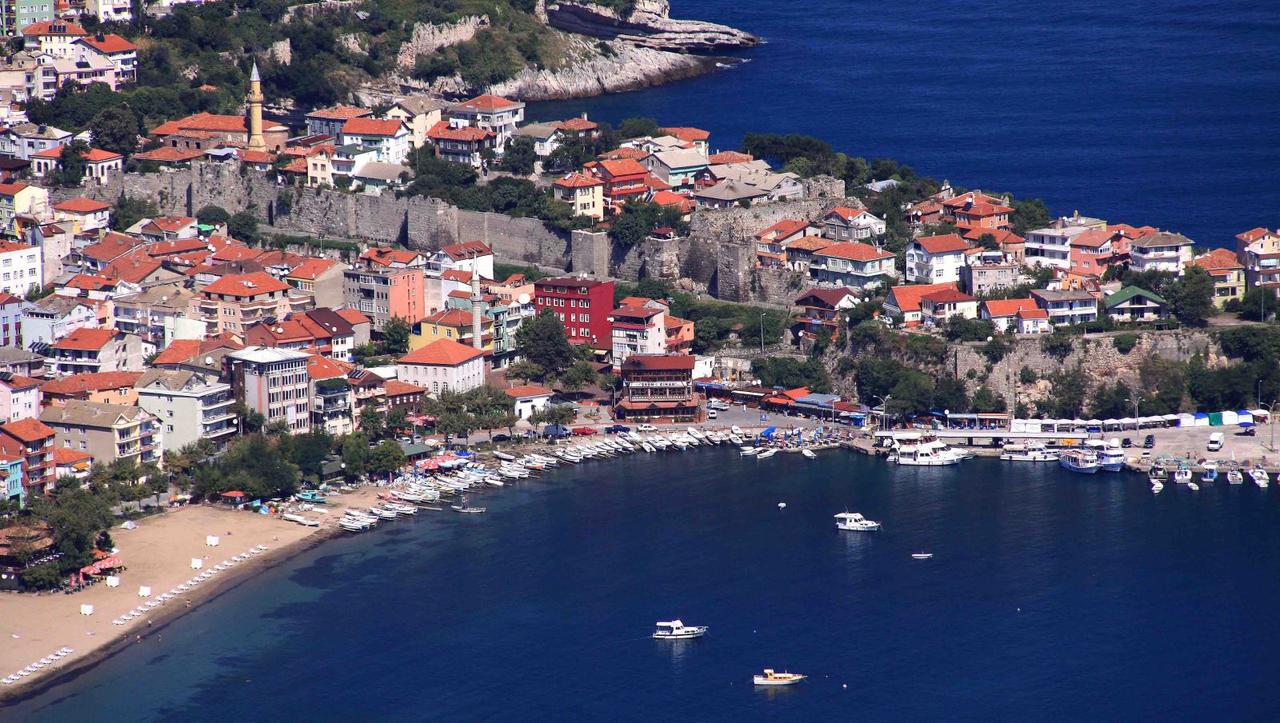




Amasra Castle
Imagine a fortress in the middle of the sea, resembling a colossal ship. Amasra Kalesi is a magnificent structure that has stood for centuries against the waves of the Black Sea, offering visitors an experience akin to a journey through time. This fortress is not merely a collection of stone walls; it is a vast historical book filled with countless mysterious tales.
Where is Amasra Kalesi?
Amasra Kalesi is located right in the center of Amasra, the charming district of Bartın province. The most intriguing feature of the fortress is its composition of two main sections: one on the mainland and the other on an island called Boztepe. These two sections are connected by a historic and beautifully crafted bridge known as the Kemere Köprüsü.
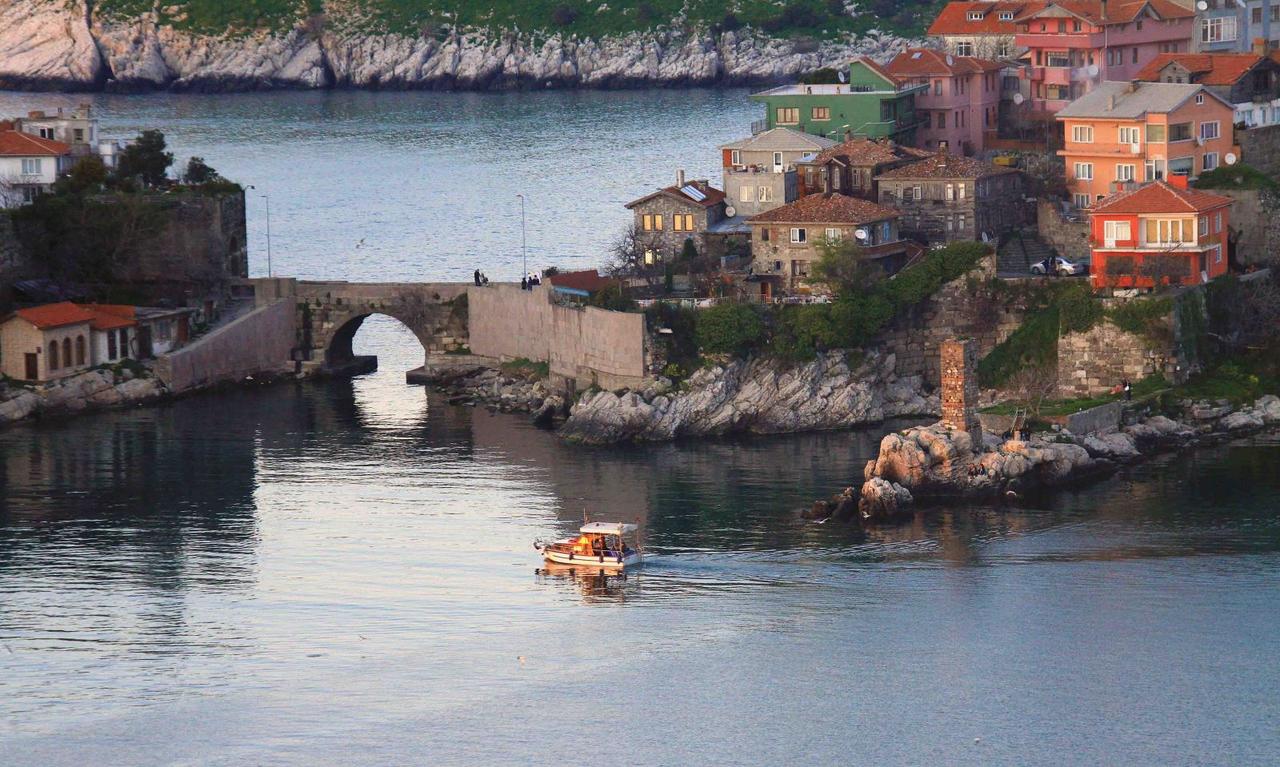
Amasra Kalesi (Kültür Portalı)
What Are the Parts of the Fortress?
The fortress consists of two main sections: the part on Boztepe is called Sormagir Kalesi, and the other is known as Zindan Kalesi. To enter Sormagir Kalesi, you must pass through a mysterious, tunnel-like entrance called the "Karanlık Yer." The fortress walls are so sturdy that in some places their height reaches up to 17 meters.
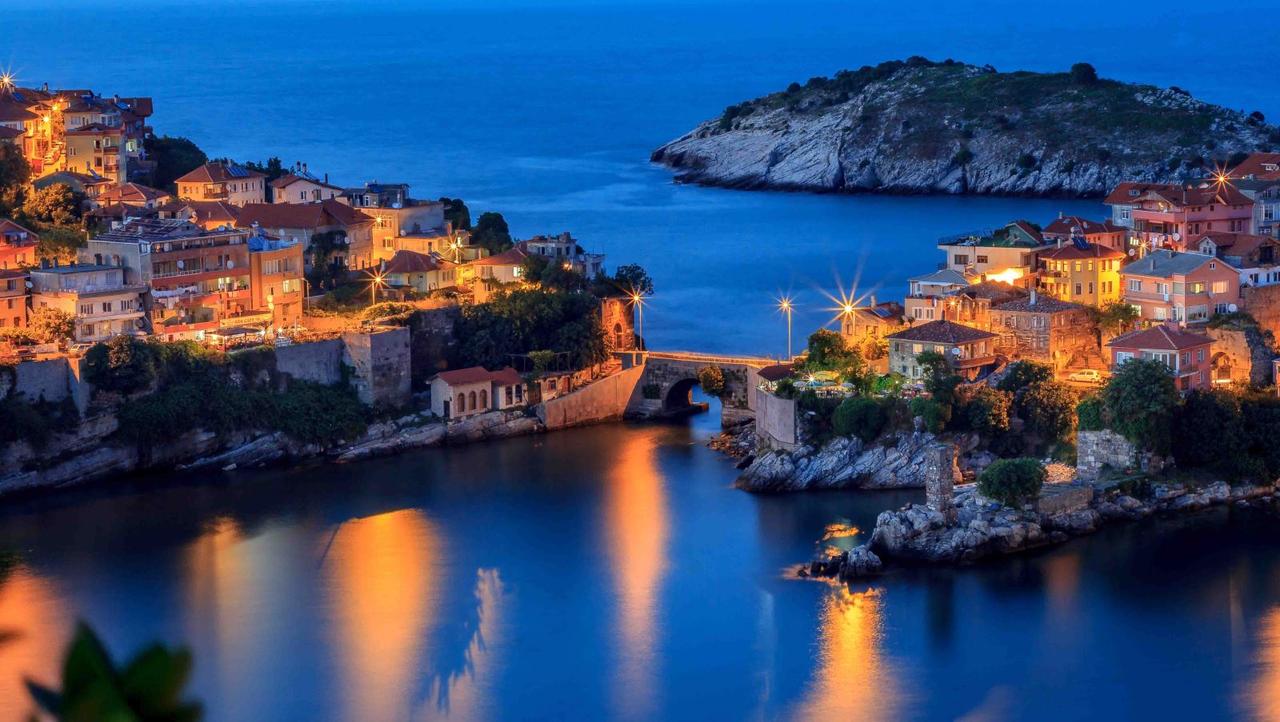
Amasra Kalesi (Kültür Portalı)
What Can You See Inside the Fortress?
As you walk along the fortress walls, you may encounter surprising surprises. On the ramparts, ancient coats of arms from the Genoese period are carved, featuring eagles, bull heads, and even mythological figures such as Eros and Medusa. These stone carvings still impart a genuine medieval atmosphere to the fortress.
Who Used the Fortress?
The fortress was originally built in ancient times by the Byzantines. Later, the Genoese, a seafaring people, took control of the site, repaired and expanded its walls. Finally, during the Ottoman period, the fortress acquired its present form. Thus, when you touch these walls, you are touching the legacy of many different peoples.
Time Travel
The most significant restorations that gave Amasra Kalesi its current grandeur were carried out approximately 600 years ago, during the 14th and 15th centuries, by the Genoese and the Ottomans. At that time, the fortress served as the safest refuge protecting the town from threats coming from the sea.