


Art
Art is a means by which people express their emotions and thoughts through a special talent. It sometimes appears as a painting, sometimes as music, and sometimes as a story. The word “art” originates from Arabic and means “the done work” or “profession.” The word “art” in Western languages derives from the Latin word “ars,” meaning “to arrange.”

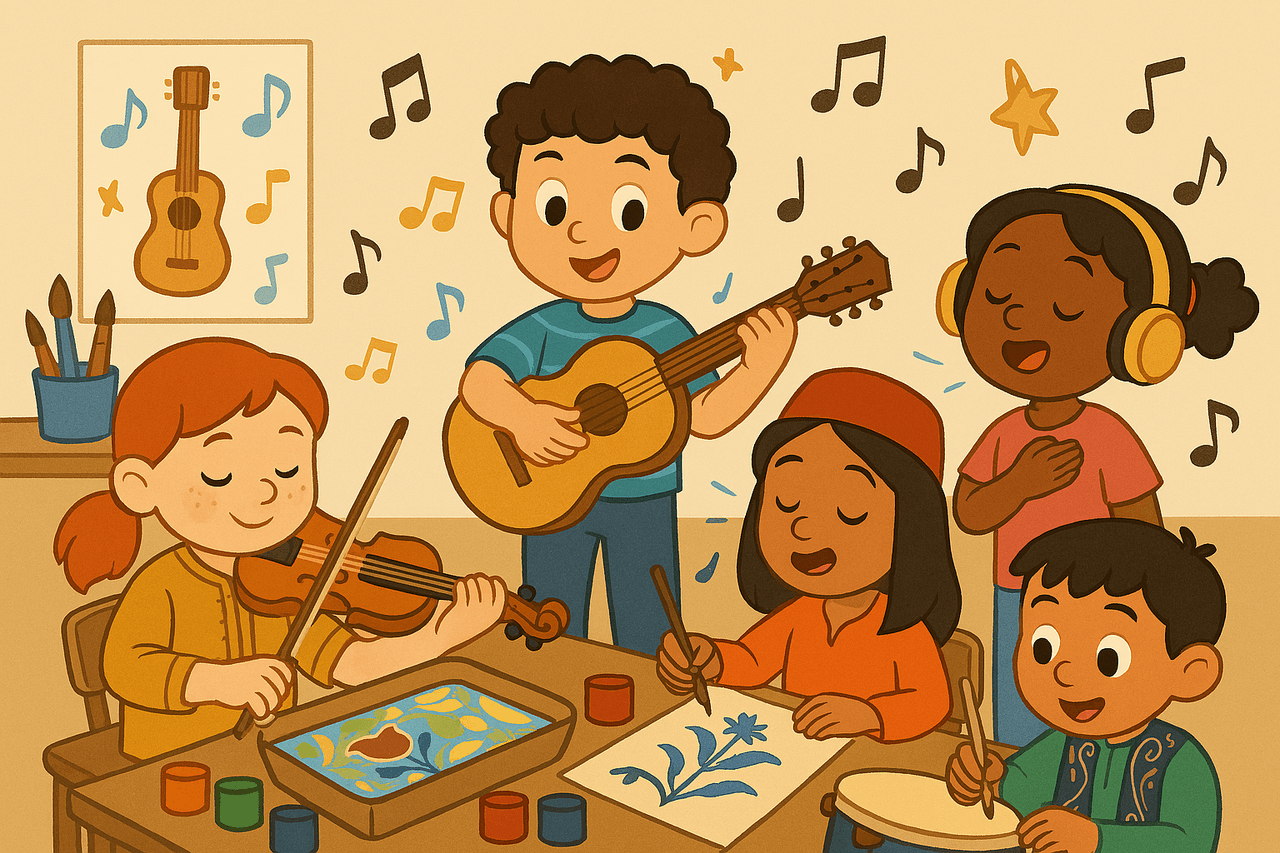
Art (Generated by Artificial Intelligence.)
Who Is an Artist?
An artist is someone who sees what everyone else sees in a different way and hears what others hear in a unique manner. When looking at a flower, they do not merely perceive its color but also sense what it seeks to express. They then transform this feeling into a painting, a song, or a story.
Being an artist requires a special talent, but this talent alone is not sufficient. Artists work hard, learn continuously, and develop themselves. Sometimes they learn from a master, and at other times they find their own path. Their goal is not merely to produce something but to communicate something to people.
Types of Art
There are many forms of art. Each is created through different methods and evokes distinct emotions. Here are some types of art:
Visual Arts
Auditory Arts
Performing Arts
Islamic Arts
Some arts are created on a surface—for example, painting—while others are three-dimensional—for example, sculpture—and still others relate to space—for example, architecture. Elements such as sound, movement, and language can also be part of art.

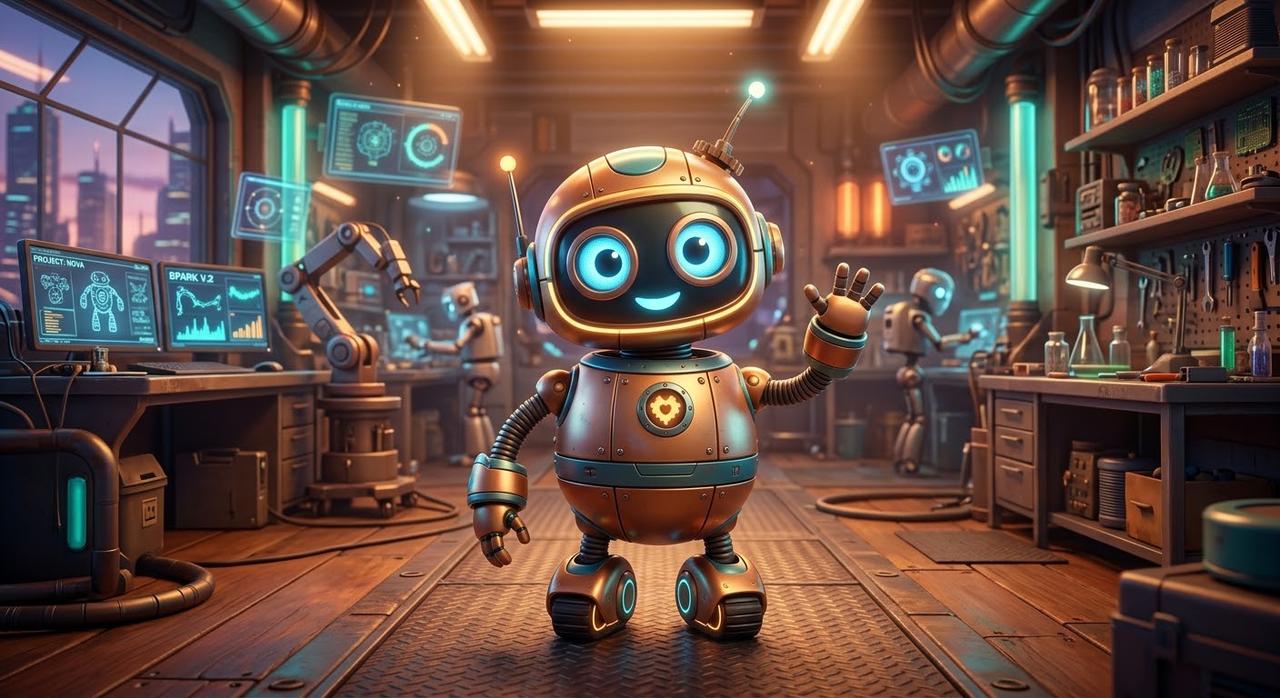
Art (Generated by Artificial Intelligence.)
Art and Culture
Art reflects a society’s emotions, thoughts, and values. It also serves as a bridge from the past to the future. The artistic works of a society reveal how that society thinks, what influences it, and what it considers important.
Muslim artists create art to know and to convey the divine. To them, God is the greatest artist. Therefore, art is not merely about creating something beautiful; it also carries profound meaning.
Art and Education
Art is a unique path to learning. Anyone who wishes to become an artist must first receive education. This education may take place in a school or under the guidance of a master. In traditions based on the master-apprentice relationship, the apprentice observes the master, repeats their actions, and gradually begins to produce their own works.
Art education does not merely impart technical knowledge. It also develops a person’s emotions, thoughts, and imagination. Through art, people can become more attentive, more empathetic, and more creative.

Art (Generated by Artificial Intelligence.)
The Power of Art
Art makes people think, evokes emotions, and sometimes even transforms them. When we see a painting, something inside us may stir. When we listen to music, we may feel sadness or joy.
Art also influences societies. An artist reflects the emotions and issues of their time through their works, prompting people to reflect. For this reason, art can sometimes be the key to change and transformation.

Art (Generated by Artificial Intelligence.)
Growing with Art
Art is essential for children’s development. Especially in early childhood, artistic activities enhance fine motor skills, imagination, and emotional intelligence.
Through art, children learn to express themselves more effectively, understand the emotions of others, and view the world with different perspectives. Therefore, art is not merely an activity; it is also a form of education.