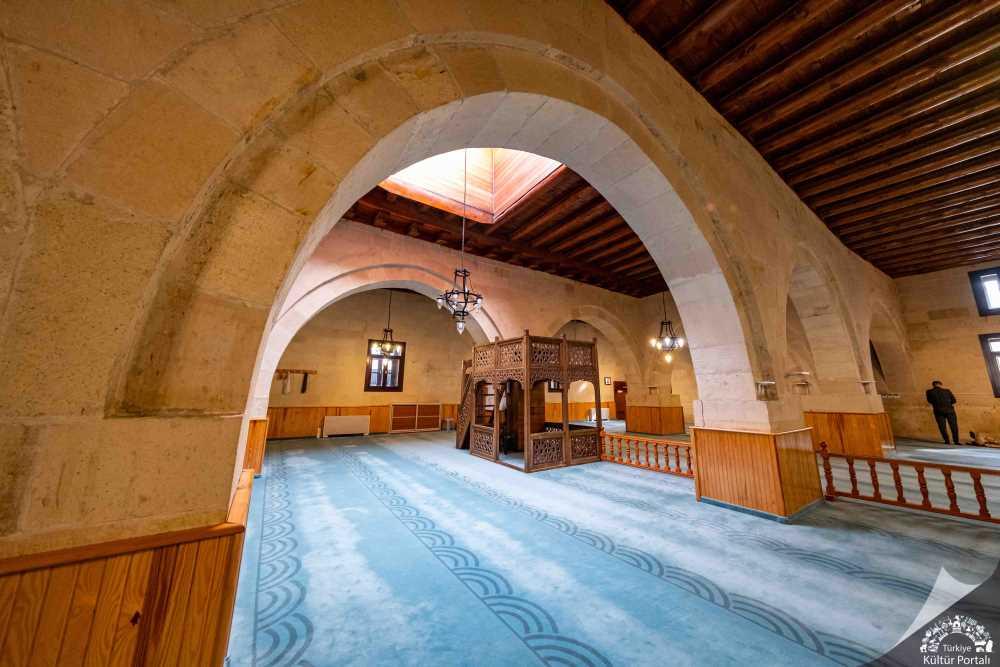




Bayburt Ulu Camii
Hello! Have you ever visited buildings hundreds of years old? The Bayburt Ulu Camii is a very old and significant structure located in the city of Bayburt in Türkiye. Such historical buildings are like letters from the past, revealing the beliefs, art, and construction methods of people who lived centuries ago. Let us explore the story of this mosque together.
What Kind of Place Is It? 🗺️
As its name suggests, the Bayburt Ulu Camii is one of the largest and most central mosques in the city. The word “Ulu” means “great” or “supreme.” The mosque is built on a rectangular plan — imagine a rectangle, and that is the shape of the main building. It was constructed primarily using precisely cut stones.
Its interior features a spacious area capable of accommodating many worshippers at once. This main prayer hall is called the “harim.” The most important part of the mosque, the “mihrab” — which indicates the direction of the Kaaba — is covered by a large dome.
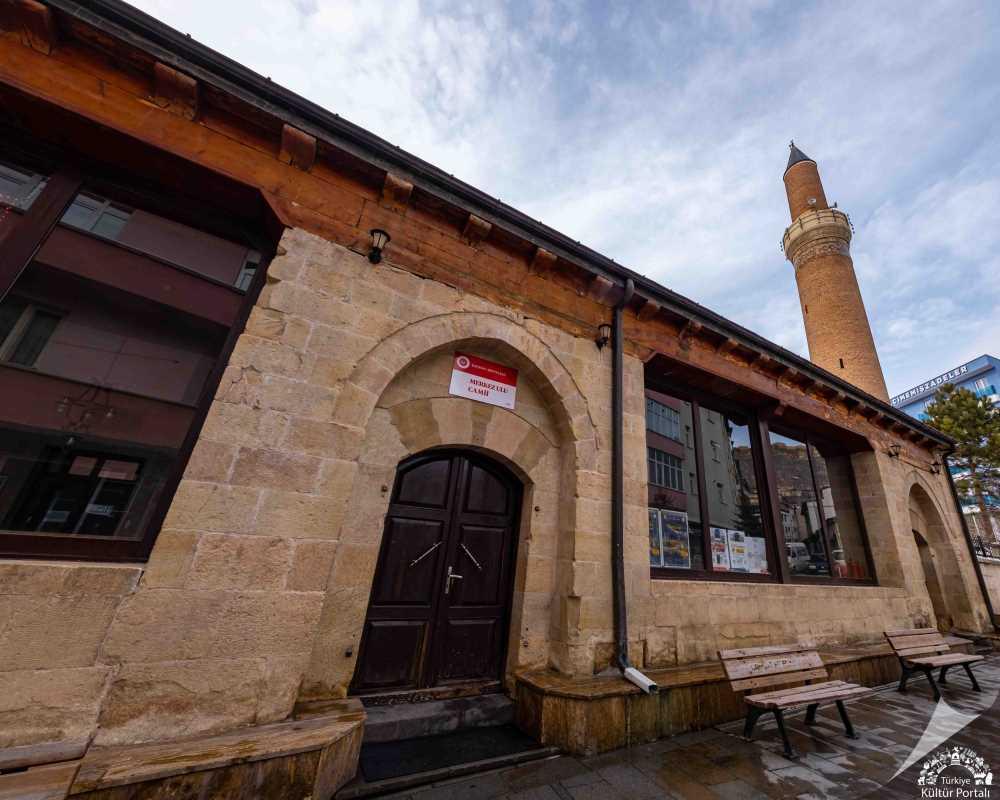
Bayburt Ulu Camii (Culture Portal)
What Makes This Mosque Special? ✨
Over the centuries, the Bayburt Ulu Camii has undergone several restorations. The majority of the structure we see today was rebuilt in the 1960s, faithfully following the mosque’s earliest original plan. So why is this mosque considered so special?
Because some parts of the mosque have survived intact since its original construction hundreds of years ago. These original elements offer a direct glimpse into the artistry of that era. They include the mosque’s minaret, two ancient entrance doors, and the ornate transitional elements that support the dome.
Striking Minaret 🗼
The most distinctive and oldest part of the mosque is undoubtedly its minaret. A minaret is a tall, slender tower adjacent to a mosque, traditionally used by the muezzin to call the faithful to prayer. The minaret of the Bayburt Ulu Camii exhibits characteristic features of Seljuk architecture (architecture: the art of designing and constructing buildings).
The minaret is adorned with gleaming tiles. Tiles are ceramic pieces made from specially fired clay and decorated with intricate patterns. The tiles on this minaret are typically turquoise and eggplant purple. Artists arranged these small tile fragments to form geometric designs such as triangles, squares, and stars.
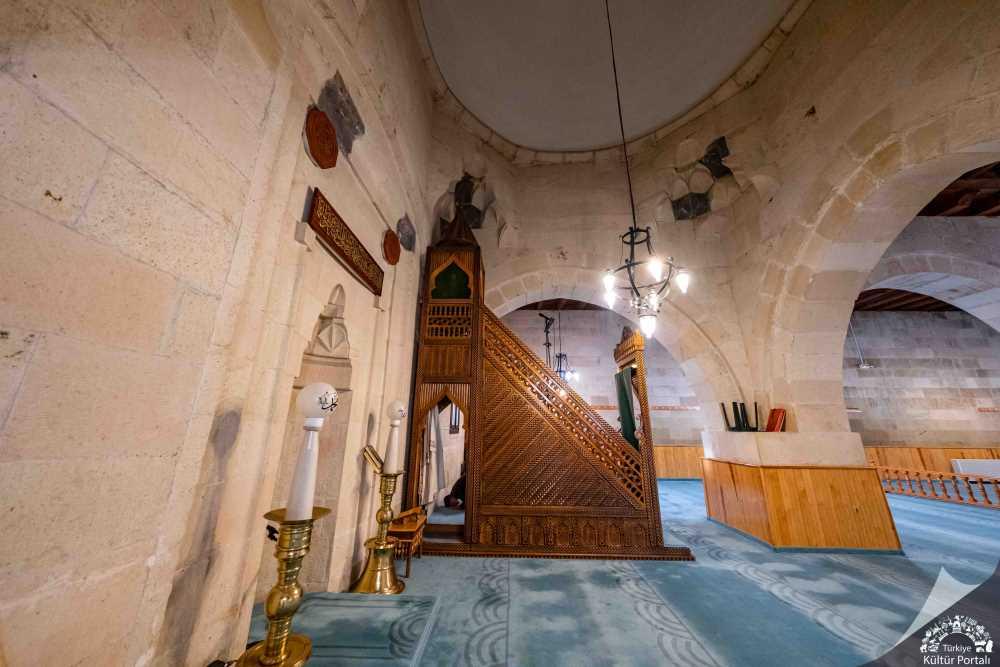
Bayburt Ulu Camii (Culture Portal)
🕰️ A Journey Through Time: When Was It Built?
The original construction date of the Bayburt Ulu Camii reaches far into antiquity. Although no surviving inscription (kitabe) precisely records its founding year, historians believe it was built approximately 700 to 800 years ago. This period corresponds to the era of the Anatolian Seljuk State.
The mosque is generally accepted to have been constructed during the reign of Sultan II. Gıyaseddin Mesut of the Anatolian Seljuks. Some researchers suggest that the building was originally designed as a caravanserai — large roadside inns used by travelers and caravans in ancient times — and later converted into a mosque.