



Bazda Caves
Bazda Caves
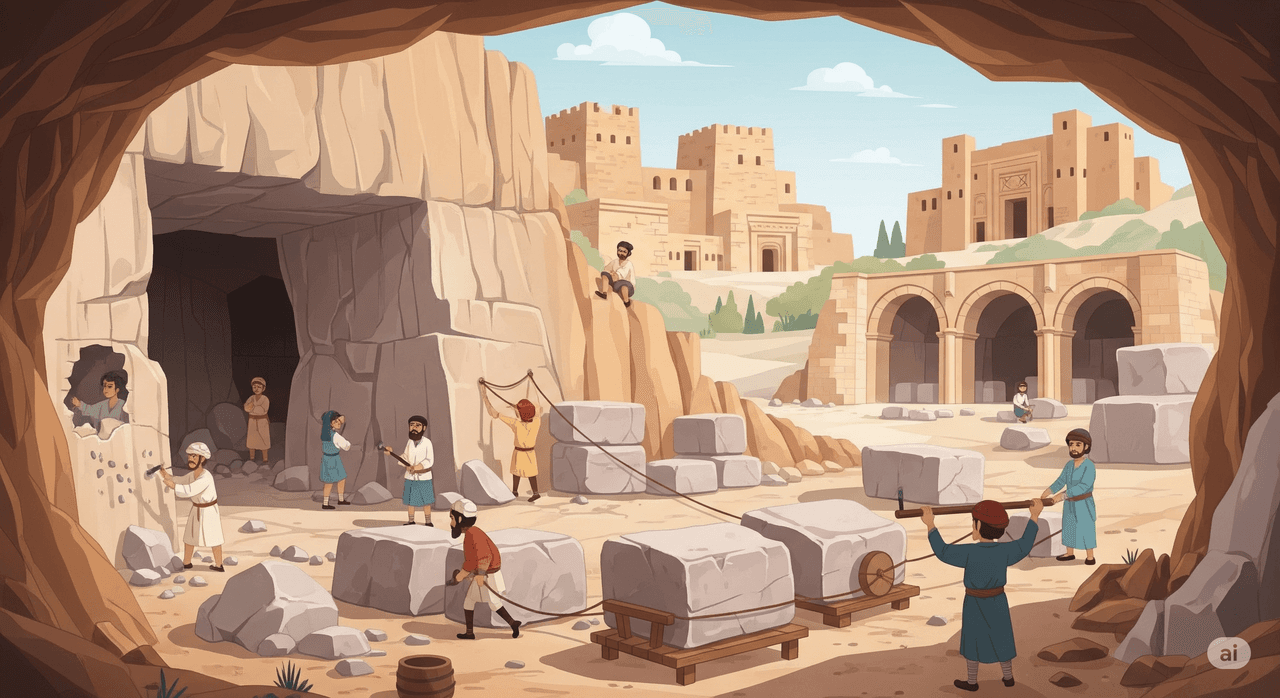
Have you ever imagined a gigantic mountain cave made entirely by human hands? The Bazda Caves in Şanlıurfa are exactly such a place! These caves were not formed by nature but were carved out hundreds of years ago by people who used them as massive stone quarries. These mysterious and enormous structures reveal just how hardworking and skilled the people of the past were.
The Bazda Caves consist of tunnels, large halls, and high ceilings, resembling an underground city. As you walk inside, you might suddenly feel as if you have stepped into a fairy tale. These caves are not merely stone extraction sites; they are also historical records preserving the traces of the past.
Why Did People Carve These Caves?
There was a very important reason these caves were carved: to extract strong stone for construction. Beginning around 2,000 years ago during the Roman Empire, people started cutting and removing high-quality limestone from this region. Limestone is a rock type that is easy to work with yet durable.
The large stone blocks extracted here were used in the construction of famous nearby cities and structures. For example, the walls of the historic city of Harran, the buildings of the ancient settlement of Şuayb, and the Han el-Ba'rür caravanserai—a large structure that accommodated travelers—were all built using stone from these caves. Thus, the Bazda Caves served as a vital source of material that brought life to the surrounding history.
What Is Inside the Caves?
When you enter the caves, you are met with a surprising sight. As the stone was cut and removed, large pillars were deliberately left behind to prevent the ceiling from collapsing. These pillars reach heights of up to 10 to 15 meters, creating vast and spacious chambers within the caves.
Additionally, long galleries and tunnels extend in various directions inside the caves. These tunnels allowed workers to extract stone from different parts of the mountain and transport materials more easily. In some areas, the caves even appear to have two levels. This colossal structure is a true feat of engineering accomplished entirely by human labor.
A Journey Through Time
Close your eyes and travel back about 800 years to the 13th century. At that time, these caves were still very important. We know the names of some of the artisans who worked here. Individuals such as Abdurrahman al-Hakkari and Muhammad ibn Bakir carved their names and notes into the cave walls using Arabic letters. These inscriptions are like messages telling us who operated the caves during that period. Thanks to them, we learn that the caves were not only used during the Roman era but continued to be used centuries later.