




Borluk Valley - Kars
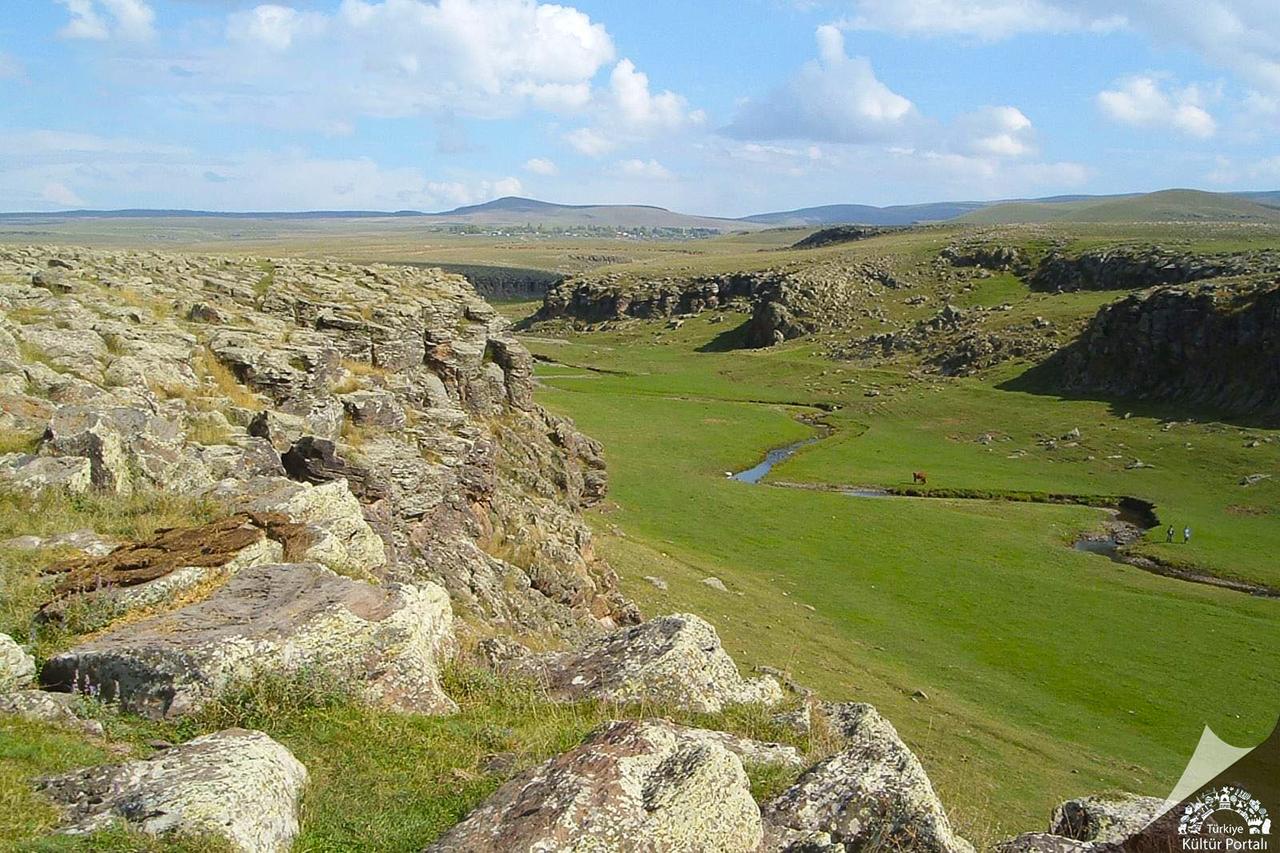
Borluk Valley is a natural area located in the city of Kars, Türkiye. This valley is not merely defined by its beautiful cliffs and the stream flowing through it; it also functions like a time capsule, preserving thousands of years of hidden messages in the form of rock paintings on its walls.
Where is Borluk Valley? 📍
This valley is very close to the center of Kars city, situated approximately 8 kilometers away. The Borluk Stream flows through the valley. This stream is a freshwater source and has created its own habitat—an ecosystem—around it. This makes it a vital water source for the region’s plants and animals.
Borluk Valley (Culture Portal)
Symbols on the Valley Walls 🤫
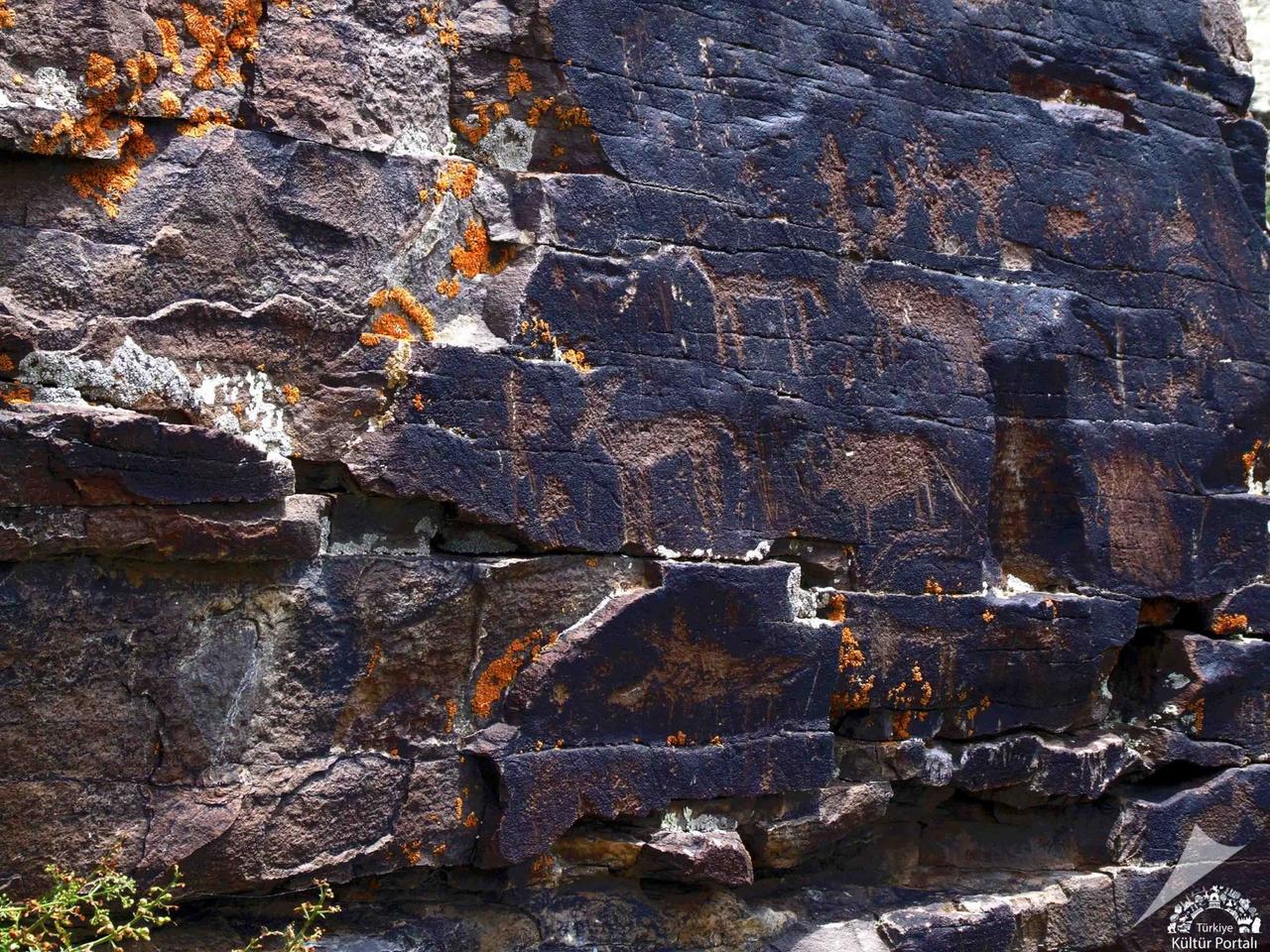
The most distinctive feature of Borluk Valley is the drawings carved into its rocks. These drawings are known as “rock art” or, scientifically, as “petroglyphs.” Petroglyphs refer to images made by carving or pecking into stone surfaces. These artworks are traces left behind by people who lived in ancient times.
The drawings in the valley were made on basalt, a type of hard volcanic rock. The figures depicted commonly include animals hunted by early humans. Researchers who have studied these images have identified representations of animals such as deer and wild cattle.
Time Travel ⏳
Let us travel back in time. These rock paintings are believed to have been created around 7,000 years ago. This period corresponds to what scientists call the Chalcolithic Age, or Copper-Stone Age. At that time, humans had not yet established cities and primarily lived by hunting and gathering.
The images in Borluk Valley may have served as a method for people of that era to record the animals they encountered or scenes of hunting. Through these drawings, we can infer which animals lived in the Kars region thousands of years ago and gain insight into the lifestyle of its early inhabitants.
Borluk Valley (Culture Portal)
The Valley’s Natural Structure 🌿
Borluk Valley lies within the Kars Plateau, a vast and elevated plain. This region was once subject to volcanic activity, which is why the rocks in the valley are predominantly of volcanic origin. The valley’s geographical structure provided a sheltered environment beneficial for both natural life and early human settlements.