



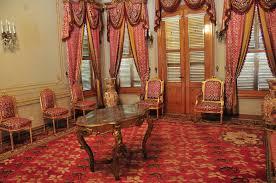

Bursa Hünkar Köşkü Museum
The Aydın Milet Museum brings together treasures excavated from important ancient cities of the Aegean Region. By examining these artifacts, we can learn about the daily lives, beliefs, and artistic sensibilities of the people who lived here thousands of years ago.
Where Is the Milet Museum Located?
The Milet Museum is situated near the village of Balat, which belongs to the Didim district of Aydın Province. It lies immediately beside the ancient city of Milet (a city founded in very ancient times), which was once a major port and an important cultural center. The museum opened in 1973 and was later renovated, reopening to visitors in 2011. It displays its collections using modern and scientific exhibition methods.
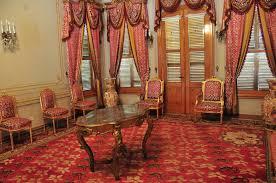
Aydın Milet Museum (Culture Portal)
Which Ancient Cities Are Represented in the Museum?
The museum does not only display artifacts from the ancient city of Milet but also houses finds from two other significant nearby ancient cities:
- Didim Temple of Apollo: This is a temple of such grandeur that it could have been considered one of the Seven Wonders of the World. The museum contains votive offerings (gifts presented to the gods) and architectural fragments associated with this temple.
- Priene Ancient City: This city, renowned for its systematic urban planning, has contributed particularly small-scale finds such as ornaments and everyday objects to the museum’s collection. Priene was constructed according to the Hippodamian plan (a city planning system characterized by square and right-angled streets).
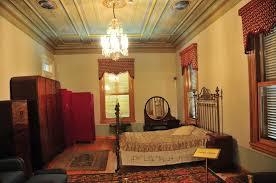
Aydın Milet Museum (Culture Portal)
What Types of Artifacts Can Be Seen in the Museum?
The museum’s collections are displayed in two main sections: the Indoor Exhibition Area and the Open-Air Courtyard.
Indoor Exhibition Area:
This section contains ceramic vessels, small glass bottles (perfume flasks), bronze objects (an alloy of copper and tin), jewelry, and coins from various periods. Finds from the Temple of Aphrodite in Milet (the goddess of love) as well as funerary items are also exhibited here.
Open-Air Courtyard:
The courtyard is dedicated to large-scale marble artifacts, long stone sarcophagi known as lahits (ancient burial chests), inscriptions, and column capitals. Among the most striking exhibits in the courtyard are the lion statues, which symbolize the city of Milet. Additionally, the museum displays the statue of the River God Meander, which once stood in the pool of the Faustina Baths, one of the largest Roman bath complexes.
A Journey Through Time
Milet was one of the centers where Western civilization flourished in thought and science during the 7th and 6th centuries BCE, approximately 2700 years ago. Thinkers such as Thales began explaining natural phenomena through reason and logic rather than mythology. For example, Thales’ assertion that “water is the origin of all things” represents one of the earliest attempts to understand natural events through a scientific approach.


