




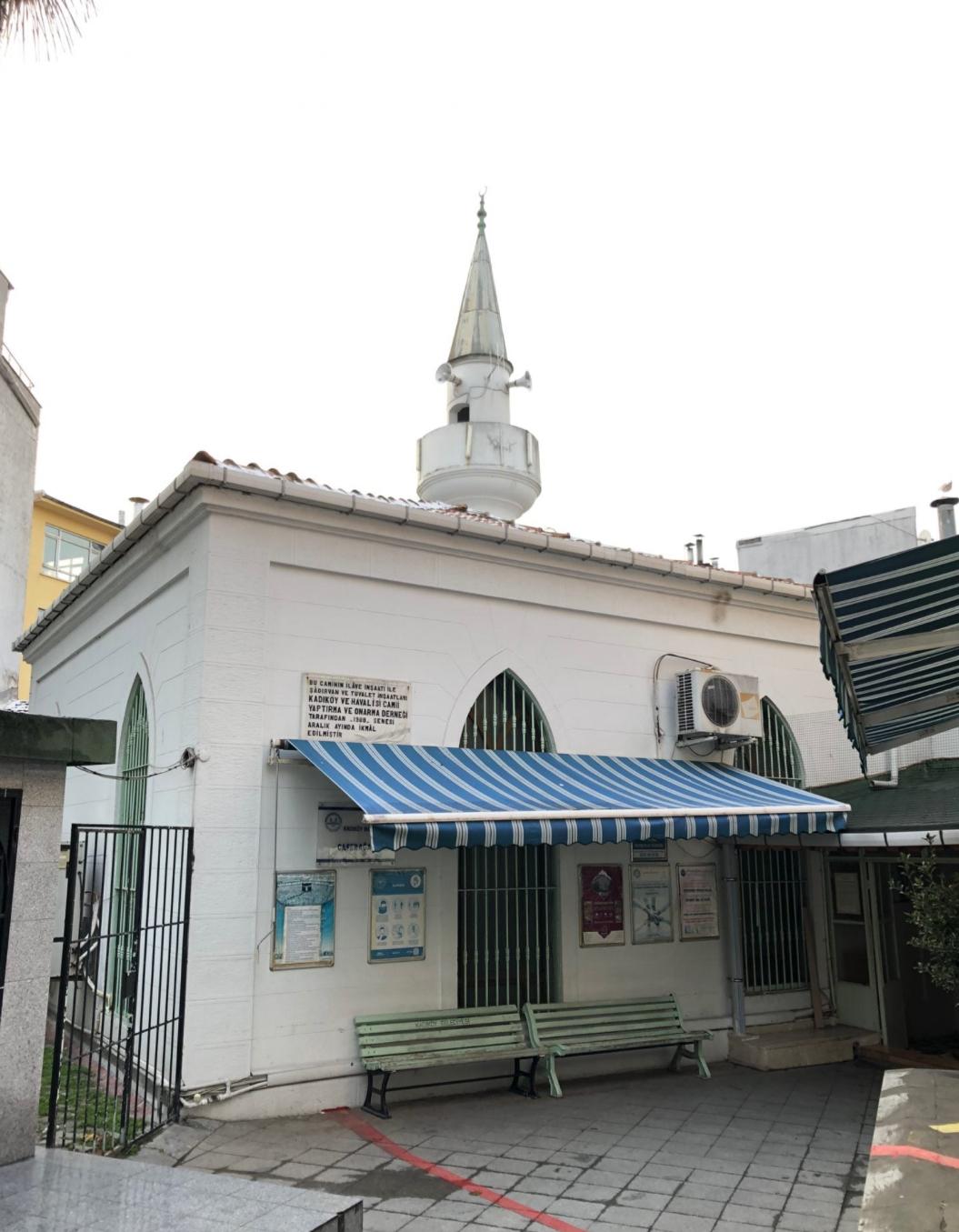
Cafer Ağa Camii
Cafer Ağa Camii is a historical structure located in the Kadıköy district of Istanbul. It is currently situated within the boundaries of the Kadıköy Historical Bazaar. The building, which retains Ottoman architectural features, continues to be used for worship and visitation.
History and Who Was Cafer Ağa?
The mosque was constructed in 1553 during the reign of Ottoman Sultan Süleyman the Magnificent. It was commissioned by Cafer Ağa, who held the position of Babüssaade Ağası (superintendent of the palace gates and inner palace) in the imperial court. At the time of its construction, the mosque played a role in the development of settlement areas in Kadıköy. Due to earthquakes and fires that occurred in Istanbul over the centuries, the structure suffered damage in various periods but has survived to the present day through successive repairs.
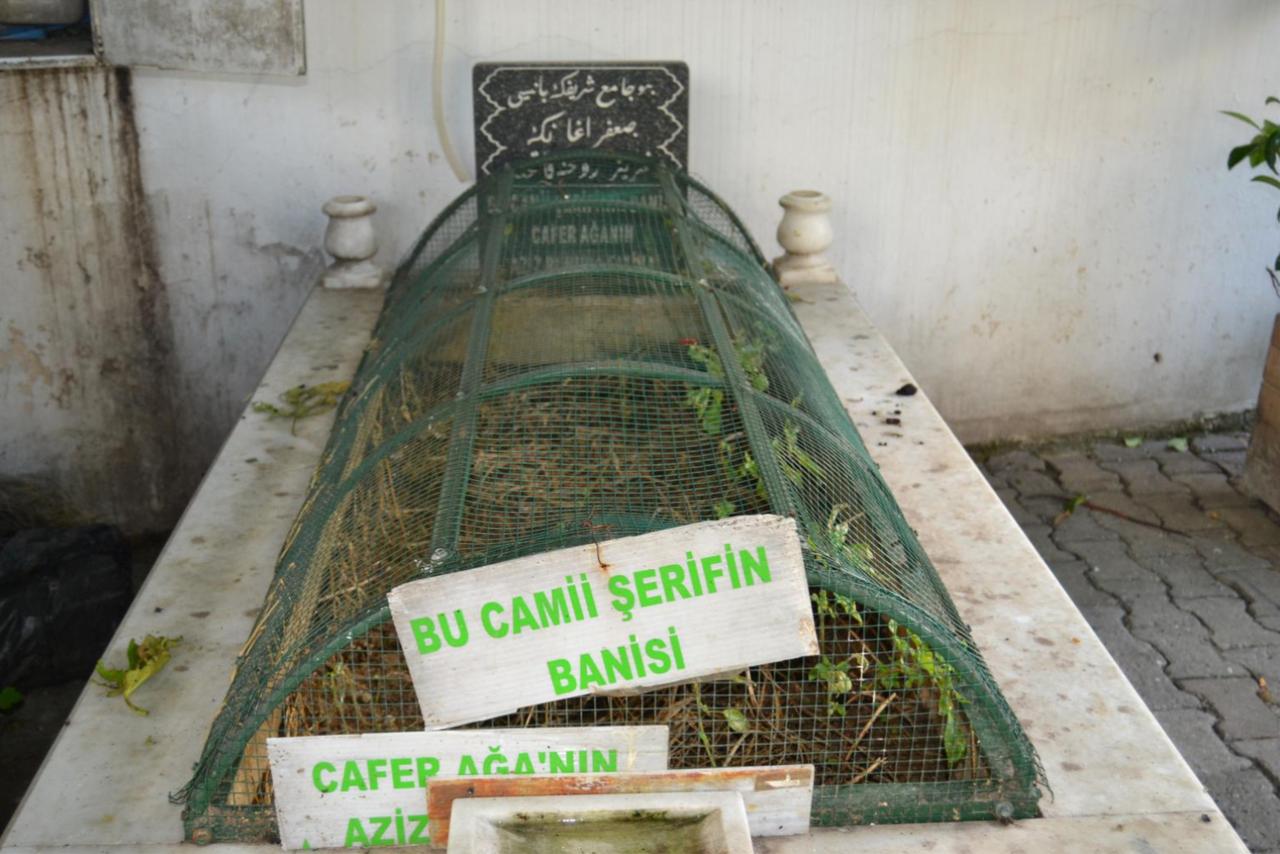
Cafer Ağa’s Tomb(tarihi.ist)
Architectural Features and Structural Details
The mosque was built on a rectangular plan and covered with a wooden roof tiled with clay tiles. Its exterior walls combine stone and brick materials. A single-minaret stands to the right side of the building. Large windows were incorporated to allow natural light into the interior space. In keeping with the design of neighborhood mosques, the structure features a more modest decoration compared to the elaborate ornamentation found in imperial mosques.
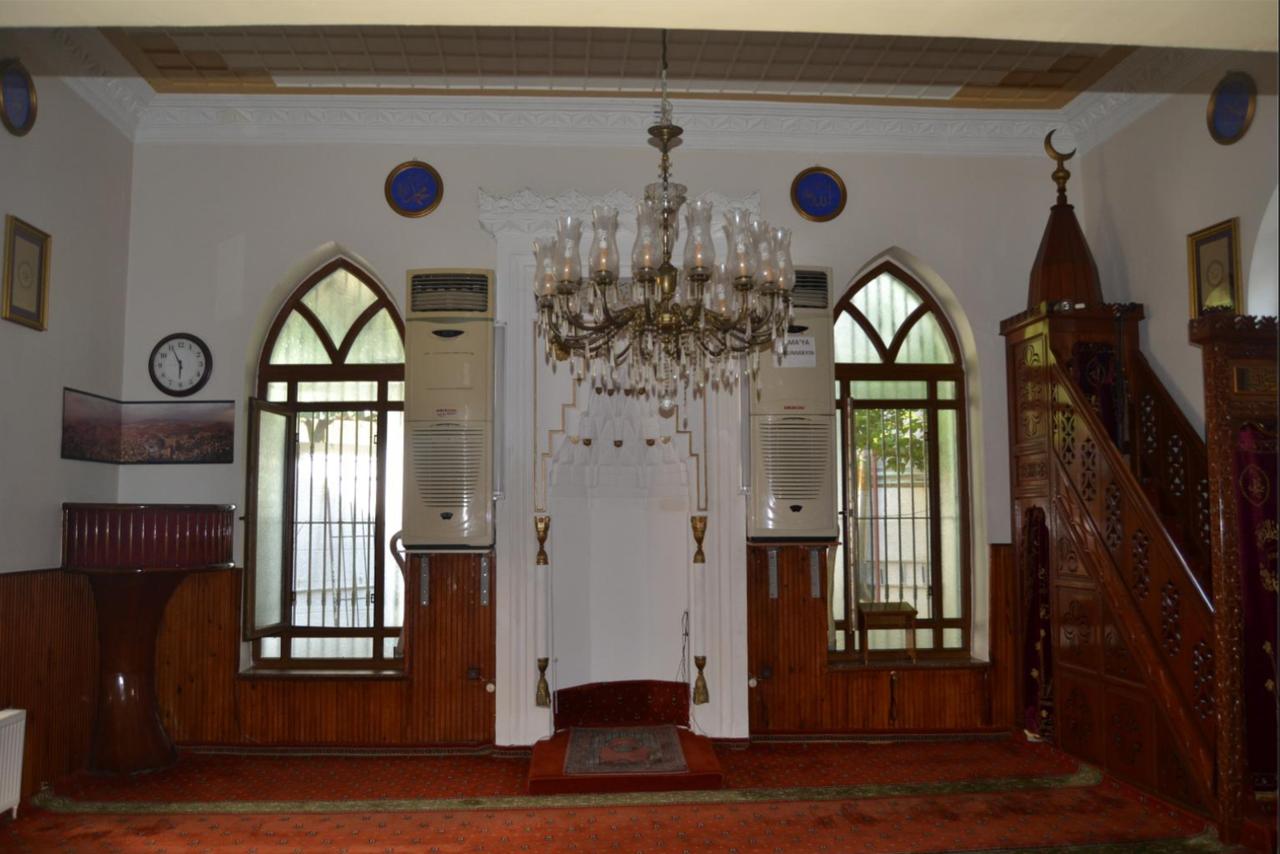
Interior of Cafer Ağa Camii(tarihi.ist)
Cultural Heritage That Named the Neighborhood
Since its construction in the 16th century, Cafer Ağa Camii has occupied a central position within the surrounding settlement. The neighborhood that developed around the mosque gradually came to be known by its name and is today called "Caferağa Mahallesi". The mosque is currently located at the beginning of Moda Avenue. The fact that the neighborhood bears the mosque’s name illustrates the sociological influence of historical monuments on urban settlement nomenclature.
A Journey Through Time
Exactly 473 years ago, in 1553, when Kadıköy was still a quiet settlement and transportation relied solely on horse-drawn carriages, this mosque was built. It has silently witnessed the immense transformations the city has undergone over the centuries.