


Common Turkish Alphabet
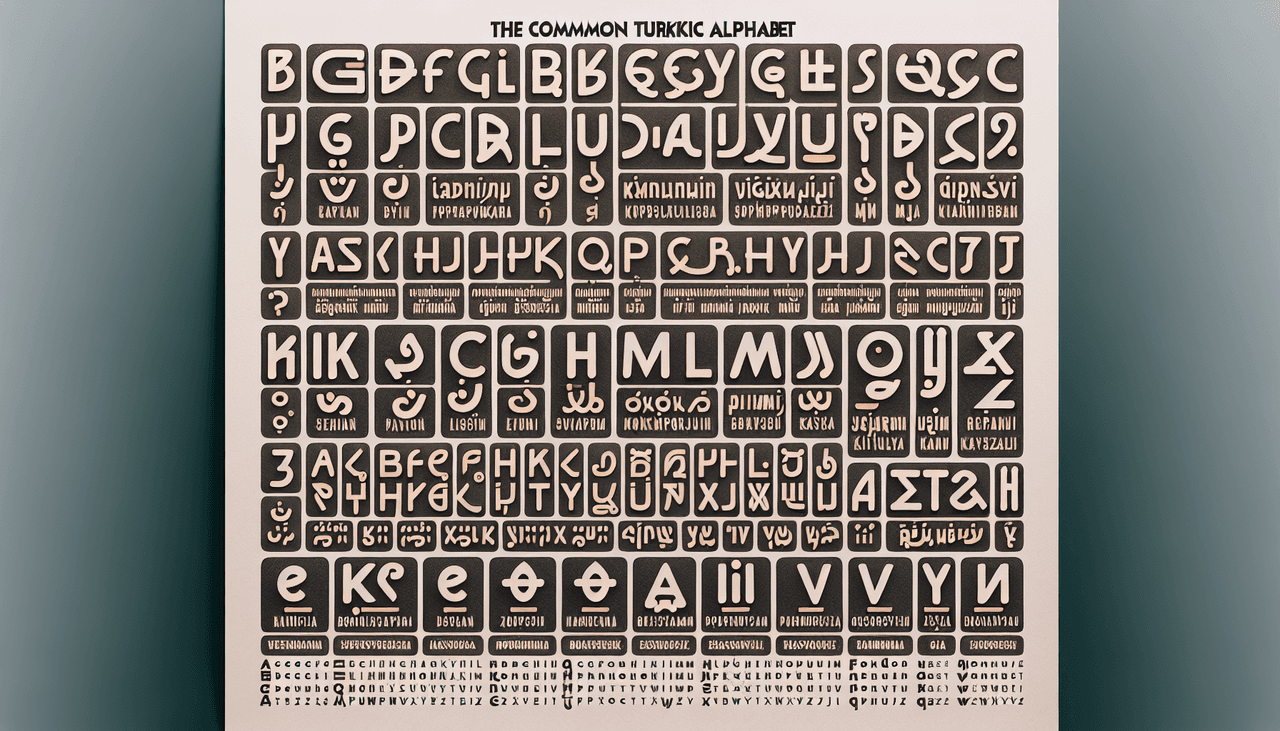
Common Turkic Alphabet
Hello children! Today I will tell you something very interesting—are you ready? There is something called the Common Turkic Alphabet. This alphabet was specially created for the languages spoken across the Turkic world. It contains exactly 34 letters! It was designed to make it easier to write the sounds of Turkic languages and to help everyone understand each other better.

This alphabet is very important because it allows the languages spoken in Turkic states and communities to be written using a common writing system. As a result, Turks living in different countries can more easily read and understand each other’s languages. Imagine someone living in Türkiye being able to read a text written in Kazakhstan more easily thanks to this alphabet!

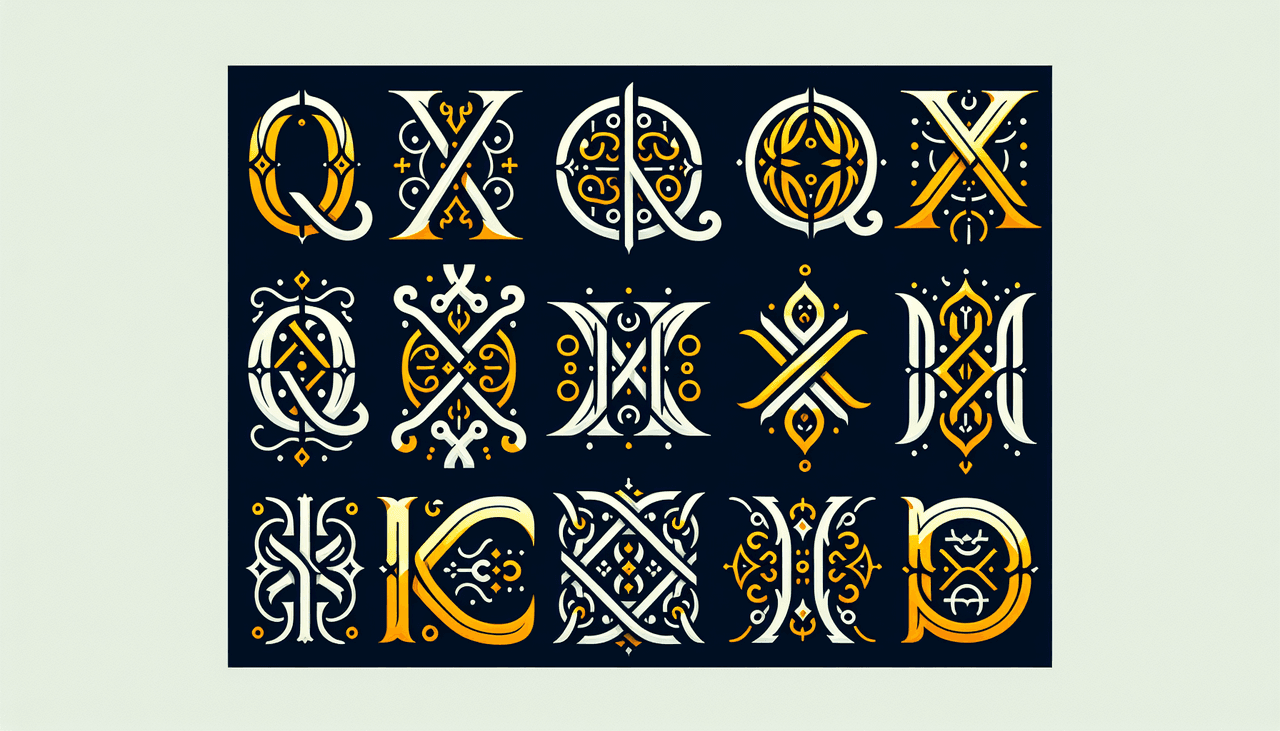
Several letters not found in Turkish but used in some Turkic languages have been added to the Common Turkic Alphabet. Some of these letters are:
• Q: Used in some Turkic languages to represent a hard 'K' sound.• X: Represents a raspy 'H' sound.• Ñ: A special nasal 'N' sound.
Each letter has been defined to match the sounds used in Turkic languages. Here are a few examples:
• Ä: Similar to the Turkish 'e' sound but pronounced slightly more openly.• Ç: The Turkish 'ç' sound.• Ñ: A soft nasal 'n' sound produced through the nose.
This alphabet aims to bring people across the Turkic world closer together. For example, someone in Türkiye can read a text written in Kazakhstan more easily thanks to the same alphabet. In this way, a shared means of communication will emerge among Turkic peoples. How wonderful is that?

To represent all the sounds used across the Turkic world, new letters have been added to the existing Turkish alphabet. This way, all commonly used letters are unified into a single system. This alphabet is seen as an important step toward strengthening the cultural and linguistic ties of the Turkic world. Remember, thanks to the Common Turkic Alphabet, we will be able to understand the writings of our brothers and sisters in distant countries more easily!
That’s all! Children, you too can learn these new letters and communicate more easily with your Turkic brothers and sisters in other countries.