



Desert Fox (Vulpes zerda)
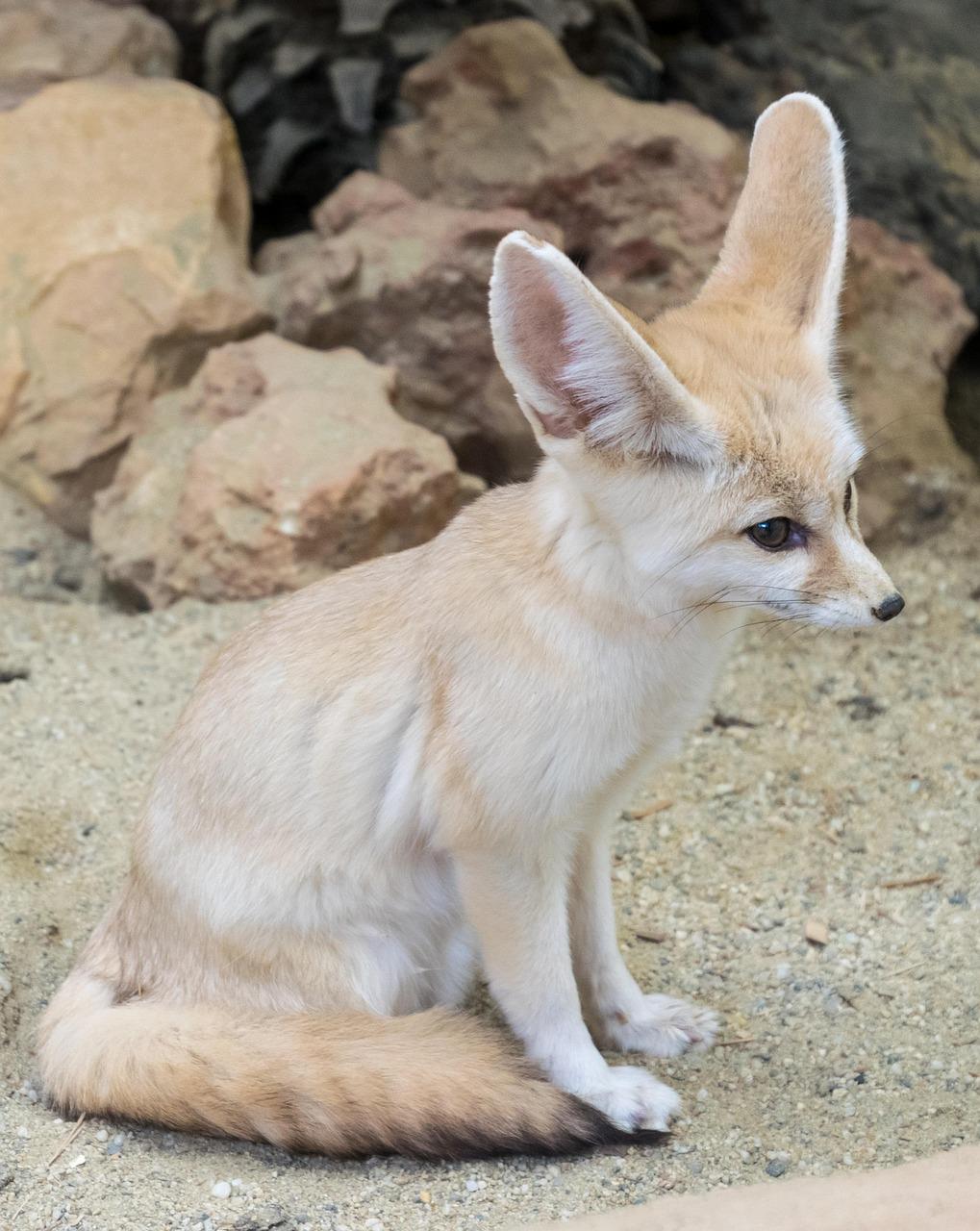
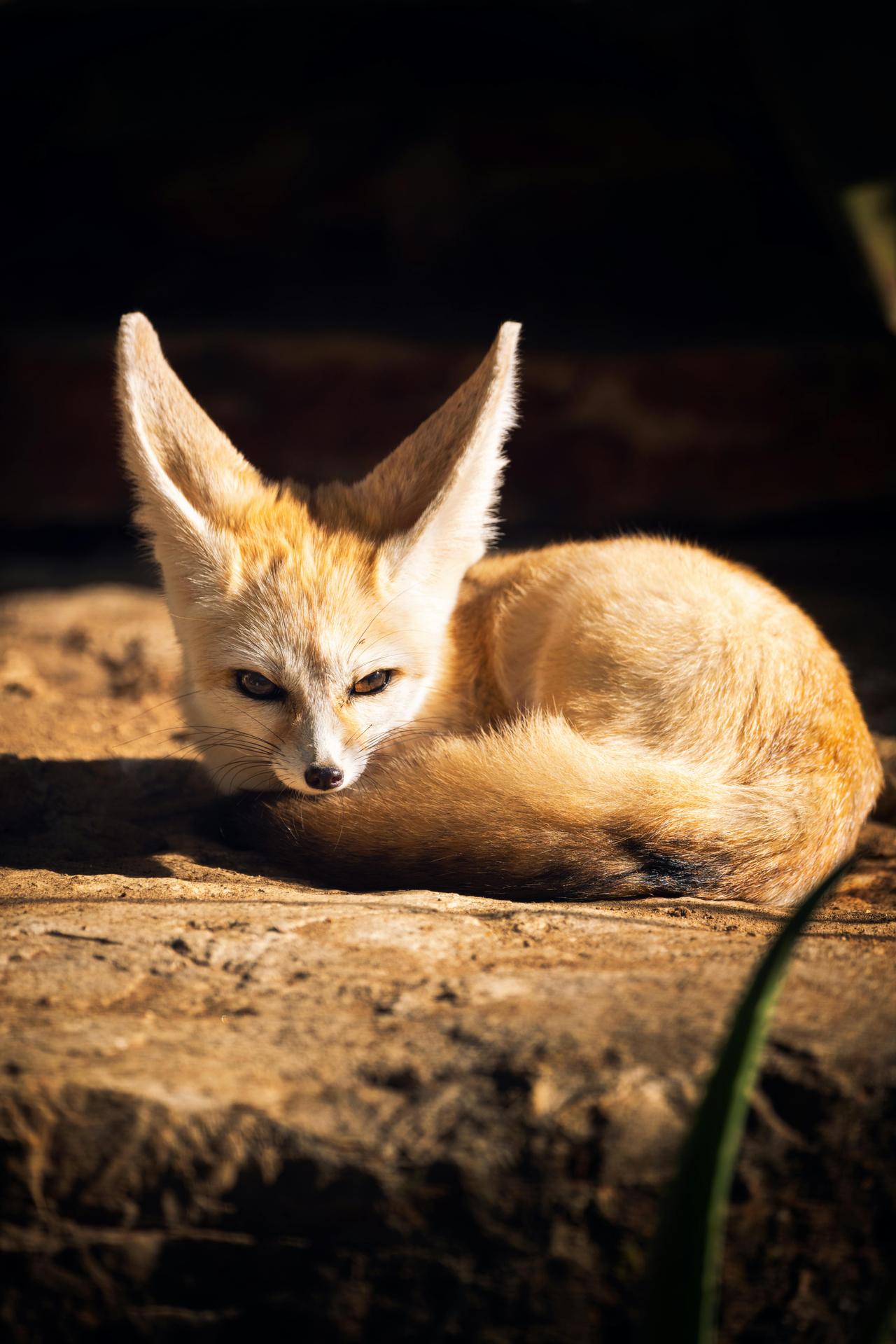
The fennec fox (Vulpes zerda) is a species belonging to the Canidae family. It has adapted to desert life conditions. Its distinguishing feature compared to other fox species is its ears, which are nearly as large as its head length. These ears assist in regulating body temperature and detecting low-intensity sounds.
Another notable characteristic specific to this species is its dense tail. The tail helps the individual maintain balance and contributes to preserving body heat during cold desert nights.

Fennec Foxes Resting in Sand (Pexels)
What Are Their Colors?
The fur color of fennec foxes has adapted to their hot and dry desert environment.
Their fur is typically light cream, pale yellow, or sand-colored. These colors help reflect sunlight during the day and provide camouflage among desert sands.
In winter, their fur may become slightly denser and lighter in tone. The undersides are usually white, which helps them stay cooler.
How Large Do They Grow?
The body length of fennec foxes, from head to tail, ranges between 35 and 40 cm. Their tails are on average 18 to 30 cm long. Their weight typically falls between 1 and 1.5 kg.
What Do They Eat?
In the wild, fennec foxes feed on small rodents, birds, insects, lizards, and eggs. They also consume plant-based foods such as dates, roots, and fruits.

A Fennec Fox Listening to Its Surroundings (Pexels)
Where Do They Live?
Fennec foxes primarily inhabit desert and semi-desert regions of North Africa. They are most commonly found in the Sahara Desert, the Sinai Peninsula, and the Arabian Peninsula. They prefer sandy dunes, stony deserts, and areas with sparse vegetation.
Contributions to the Ecosystem
Fennec foxes contribute to the ecosystem by maintaining balanced populations of insects, rodents, and small animals they consume. Since they also feed on plant matter, they transport and deposit parts of the fruits and seeds they eat to different locations. This aids in the dispersal of certain plant species and supports the continuity of the desert ecosystem.
Conservation Status
Fennec foxes are classified as “Least Concern” by the International Union for Conservation of Nature (IUCN). This indicates that their wild populations are currently not at risk, but they require monitoring due to habitat degradation and illegal wildlife trade.