




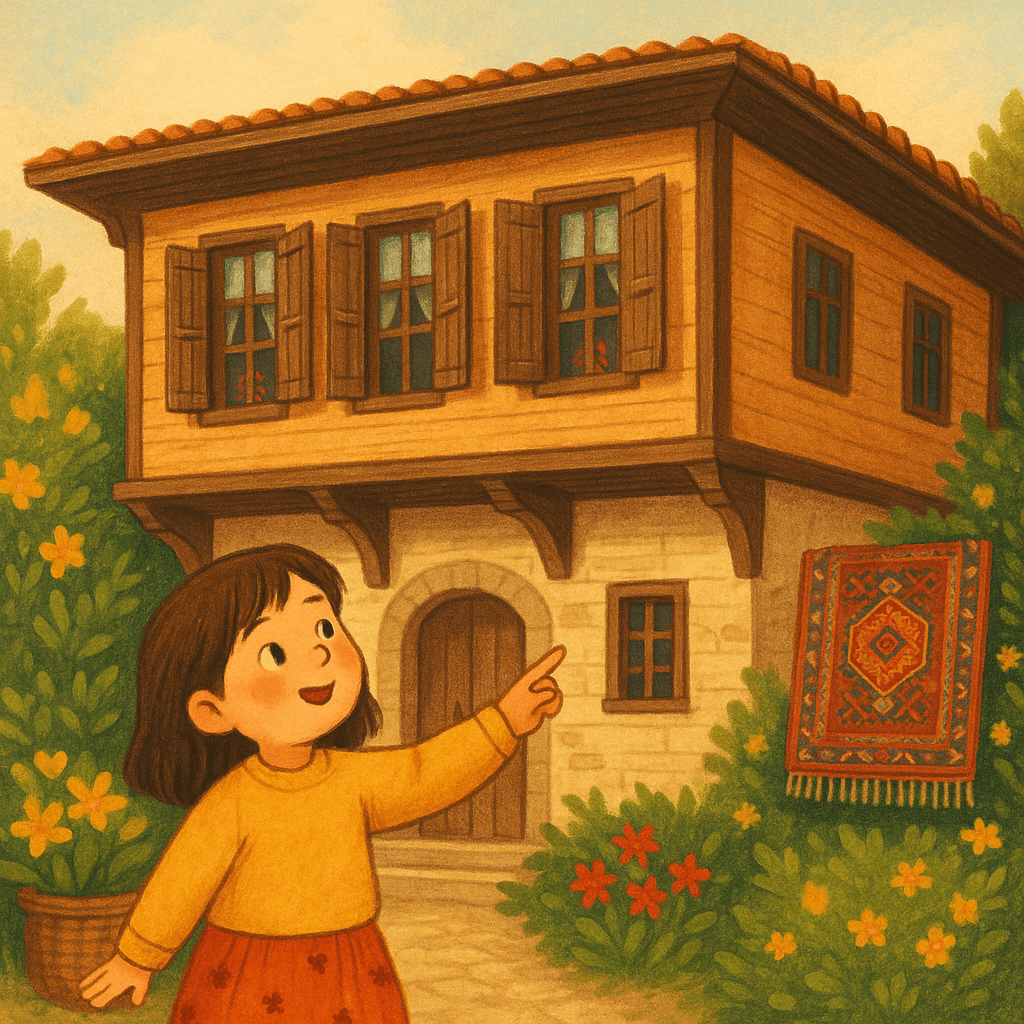
Dokur House
Dokur House is a traditional Turkish house built in the late 19th century, preserving traces of the past. Today it has been restored by the Uşak Municipality. Once the residence of a family, it is now open to visitors as a culture and museum house. Dokur House helps us understand the lifestyle, handicrafts and architecture of bygone eras.
History and Location
The house is located on one of Uşak’s historic streets. It derives its name from the Dokur family, who once lived there. The structure, worn by time, was carefully restored to match its original form and brought back to life. As a result, both a historic residence has been preserved and a cultural space has been created.
Culture PortalGenerated from Photograph.
Architectural Features
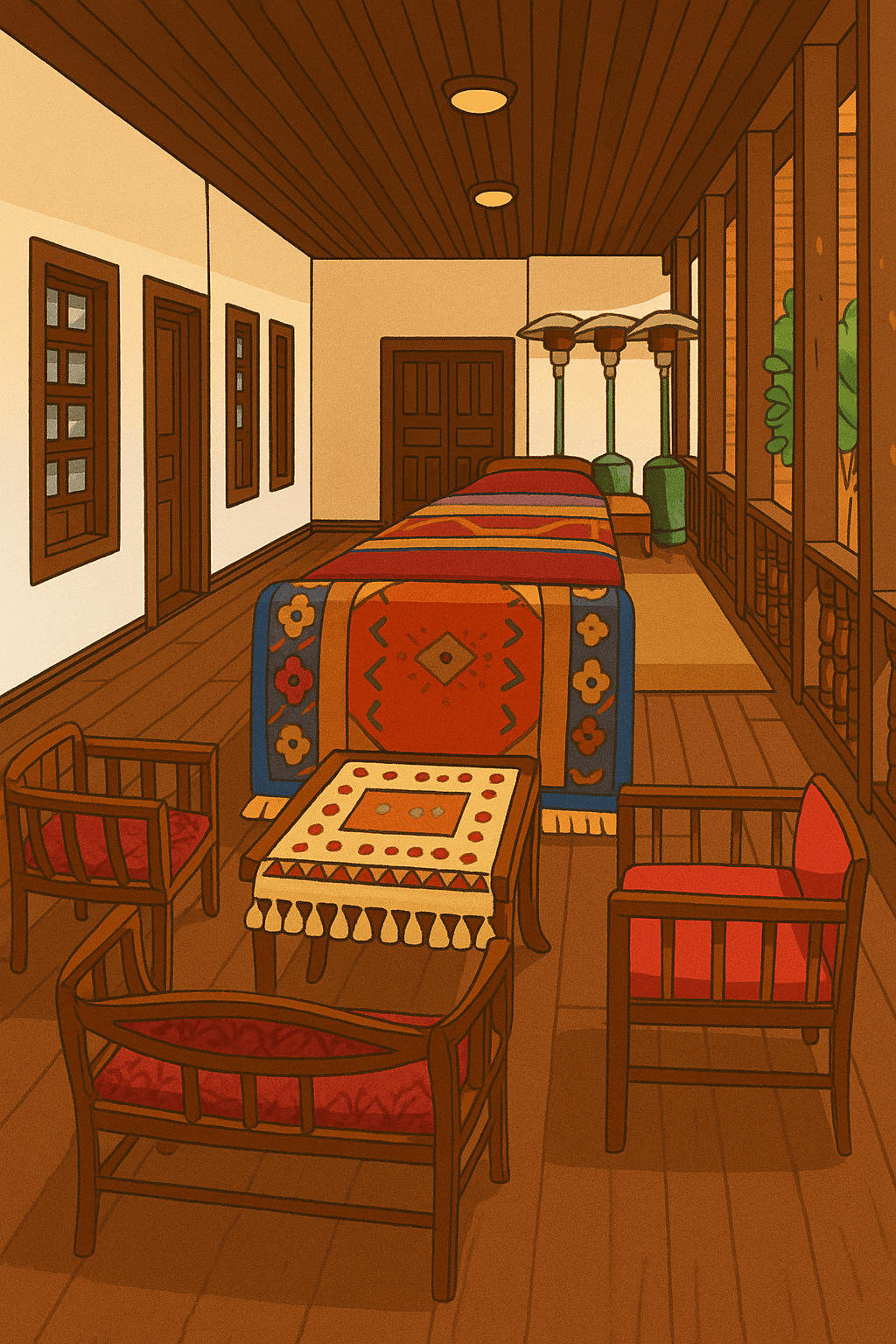
Dokur House is a two-story, courtyard-style building. The ground floor is constructed of stone walls and contains rooms such as the kitchen, pantry and storage areas. The upper floor is built of wood and houses the family’s living quarters. The rooms feature large cedar chests, cupboards and stoves. The windows are designed with projecting bay windows. Wooden ceiling decorations, carved door panels and window shutters reflect the craftsmanship of the period. These details give the house a distinctive place among traditional Turkish homes.
Culture PortalGenerated from Photograph.
Interior Space and Use
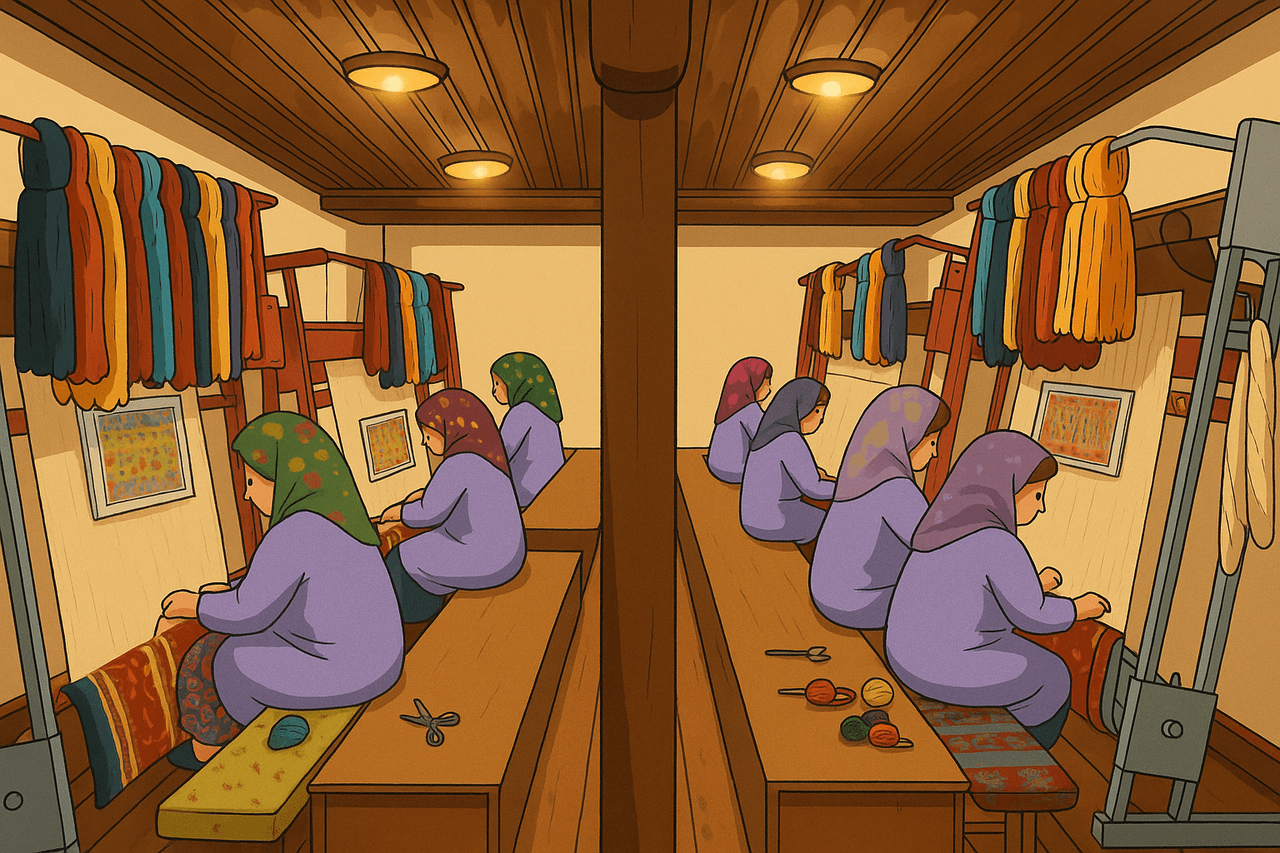
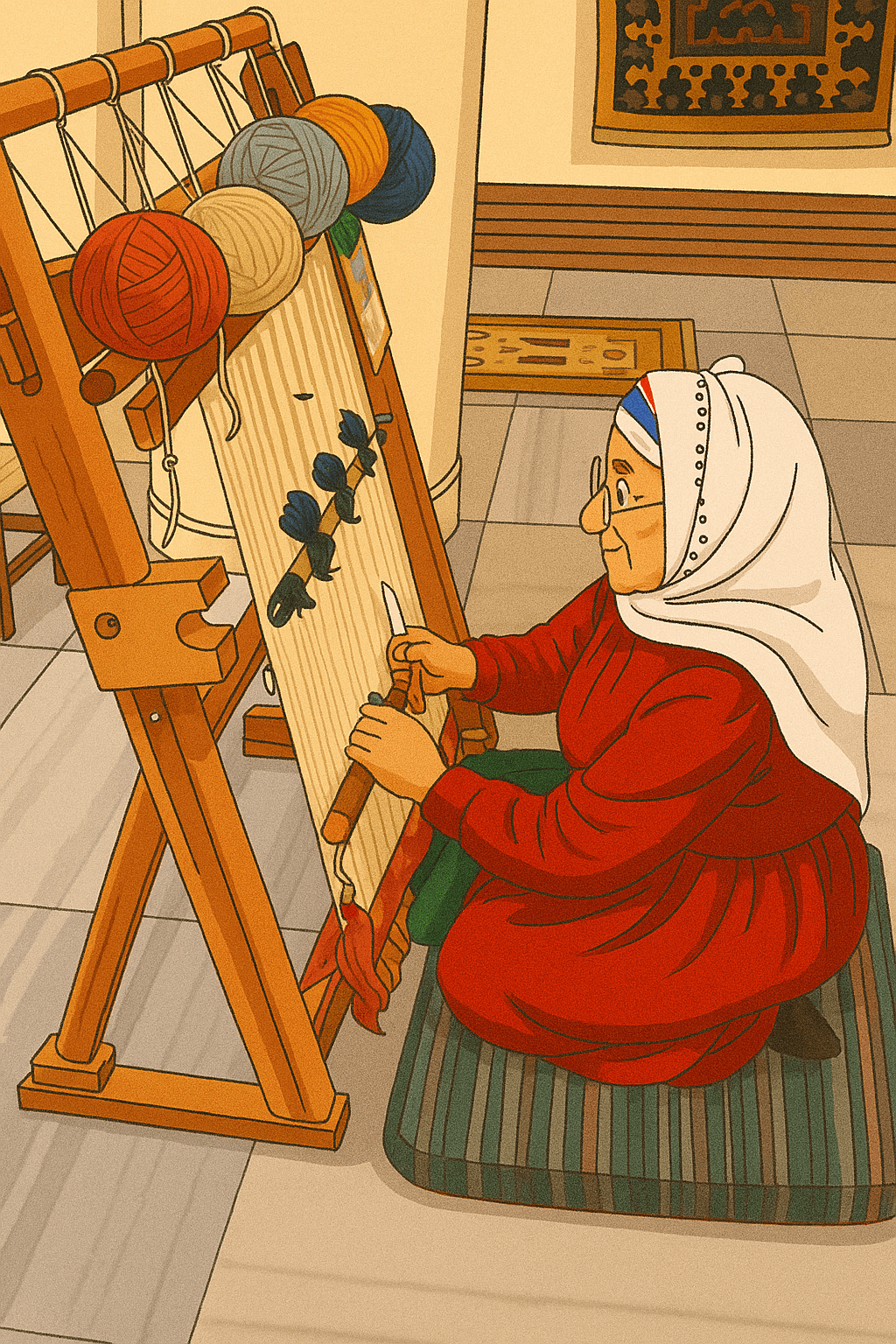
The rooms of the house are now arranged like a small museum. Regional clothing, carpets, handwoven textiles and traditional crafts are displayed inside. Through these objects, visitors learn how people lived in the past. Some rooms are used for exhibitions, educational programs and meetings. Thus, Dokur House has become not only a historic structure but also a living cultural center.
Culture PortalGenerated from Photograph.
Cultural Significance
Dokur House is a heritage that keeps the past alive and passes it on to the future. Children who visit gain firsthand exposure to traditional life and local arts. The house continues to serve as an important value, preserving Uşak’s culture and transmitting it to new generations.