

This article was automatically translated from the original Turkish version.
+2 More
Dokur House is a traditional civilian architectural example built in the late 19th century in the center of Uşak. Restored by the Uşak Municipality and integrated into the urban culture, the building is historically, culturally and aesthetically significant as a residence reflecting local architectural features. Reflecting the family structure, lifestyle and craft traditions of its era, Dokur House also functions as a museum and exhibition space, serving as a cultural asset that keeps the city’s memory alive.
Dokur House is located in the center of Uşak, within the historic urban fabric dominated by traditional mansions. The building derives its name from the “Dokur” family that once lived there; the house has survived to the present day bearing the traces of this family. As a result of restoration efforts, the structure has been renewed while preserving its architectural uniqueness and opened to the public for cultural use. This transformation represents an important example of integrating traditional residences in Uşak with public functions.

Dokur House (Culture Portal)
Dokur House is a two-storey, courtyard-type building in the typical Uşak mansion form. The ground floor is constructed with stone walls and was primarily used for service areas such as the pantry, stable and kitchen. The upper floor, built with a wooden frame system, was designed as the living area. This level contains traditional interior elements such as large sofas, loaded rooms, hearths and sedirs.
The wooden joinery, ceiling decorations, window shutters and interior door designs in the house are details that reflect the craftsmanship traditions and aesthetic sensibilities of the period. The projecting façade, wide eaves and bay windows reinforce the building’s place within traditional Turkish residential architecture.

Dokur House (Culture Portal)
The interior spaces of Dokur House have been arranged for thematic exhibitions and cultural activities. Rooms preserving traces of traditional life are furnished with local ethnographic elements such as regional clothing, everyday utensils, carpets and kilims. Through these elements, visitors are presented with an authentic narrative of Uşak’s urban culture.
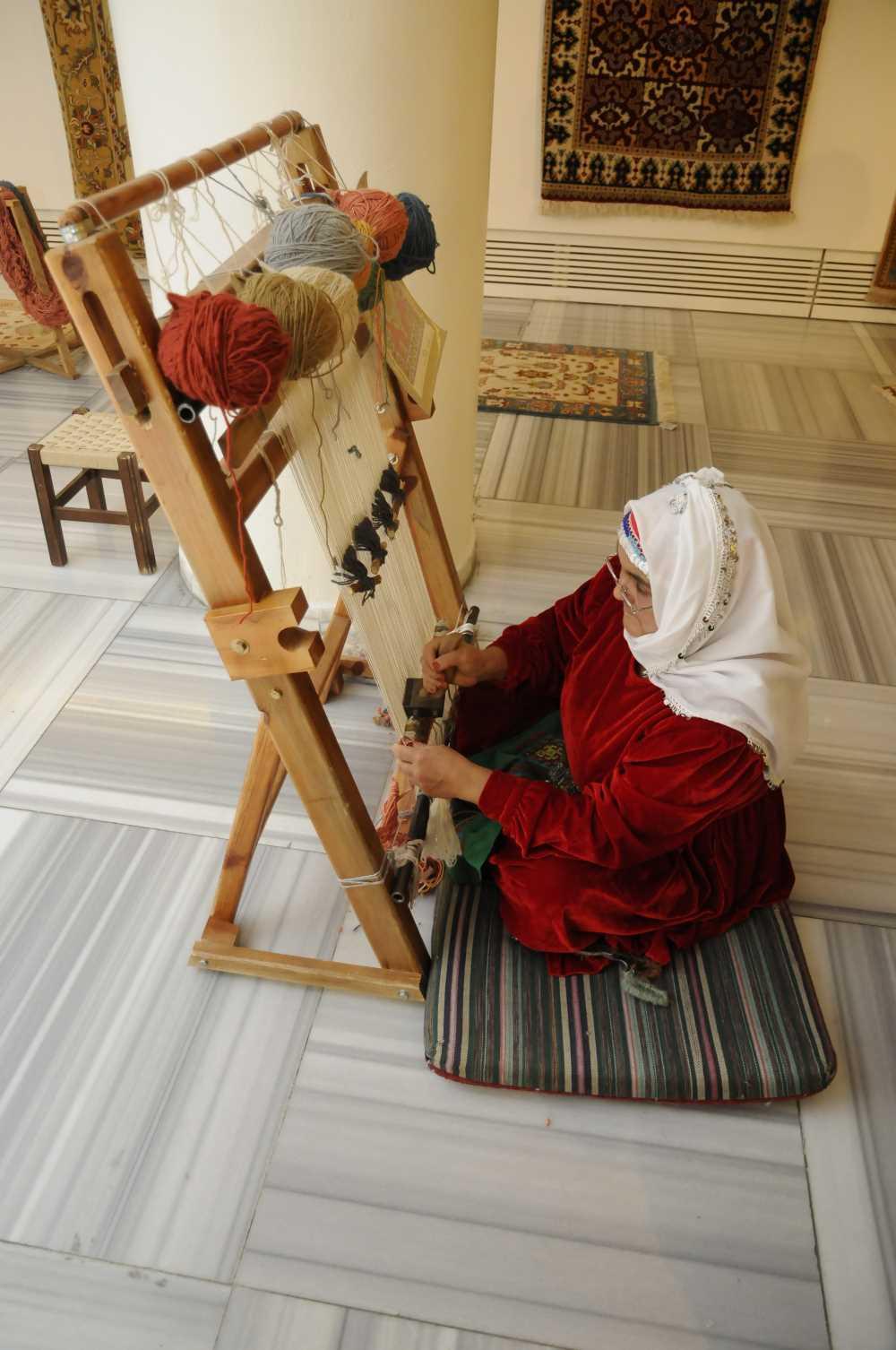
The house also displays period furniture, sewing and weaving tools, and traditional women’s handicrafts, thereby functioning as a cultural house and a small-scale ethnographic museum. A portion of the building is used as a multipurpose space for cultural meetings, educational programs and exhibition events.

Dokur House (Culture Portal)
Since its restoration, Dokur House has transformed from a mere historical structure into a living cultural space. Visitors gain the opportunity to experience traditional architecture and engage directly with local history and culture. As part of the promotional and educational initiatives led by the Uşak Municipality, Dokur House serves as an educational environment that fosters cultural awareness and urban consciousness, particularly among students and researchers.

Dokur House (Culture Portal)

Dokur House (Culture Portal)

Location and Historical Process
Architectural Features
Interior Space and Functional Transformation
Cultural and Social Function