



Filigree
What Is Filigree?
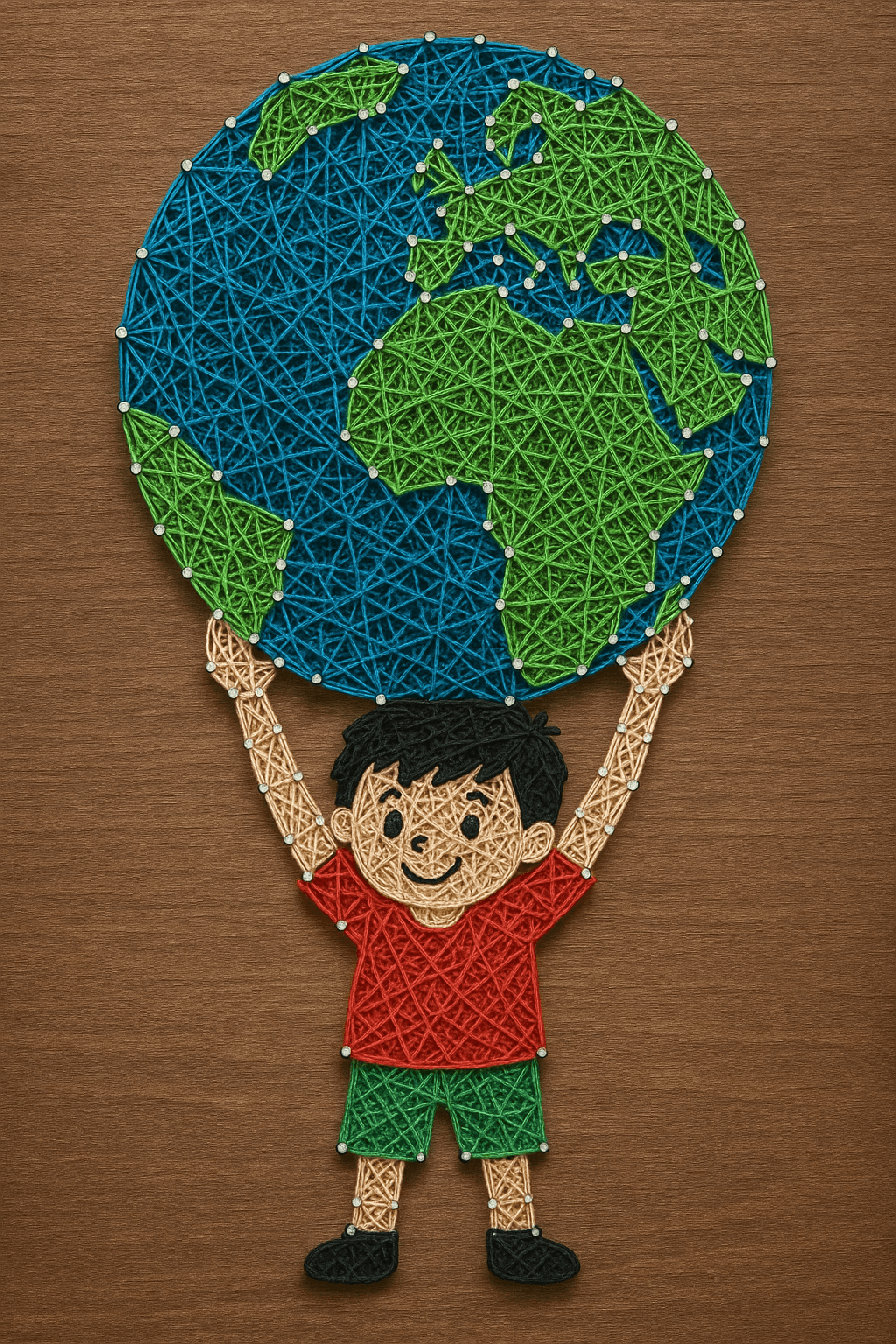
Filigree is an art form created by hammering nails into a wooden board and winding threads around these nails. When the threads are woven between the nails, they form patterns, letters, and decorative designs.
The word originates from Greek: “filo” means thread and “grafi” means to write or draw. Thus, we can briefly describe it as “making pictures with thread”.
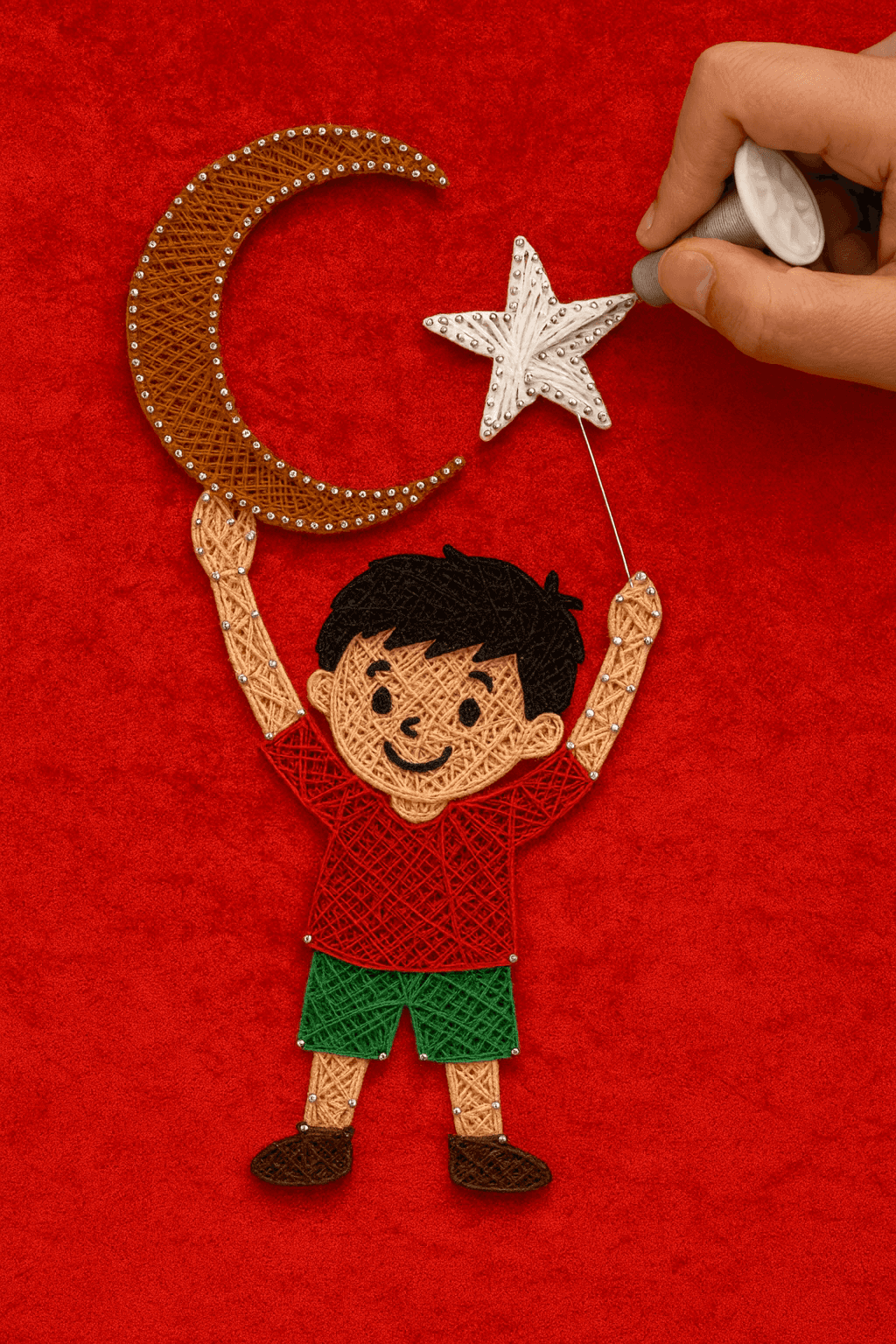
Filigree Art (Generated by artificial intelligence.)
Historical Origins
Although the exact origin of filigree is unknown, it is believed to have emerged in Central Asia and later spread to Iran and the Ottoman territories. Today, particularly in Türkiye, filigree has become widespread both as a hobby and as an art form. It is commonly practiced in workshops, courses, and women’s cooperatives.
How Is It Made?
Making filigree requires patience and precision. Here are the steps:
Preparing the Base: Work is done on wood, MDF, or plywood.
Drawing the Design: The motif is first drawn on paper and then transferred onto the board using carbon paper.
Nailing: Nails are hammered at equal intervals along the outline of the design.
Wrapping the Threads: Threads are wound around the nails to create the design. The tension, angle, and direction of the threads are crucial.
Threads Used:
Copper
Brass
Steel
Colored threads (in modern works)
Some artists paint the base or cover it with fabric to enhance the visual appeal of the designs.
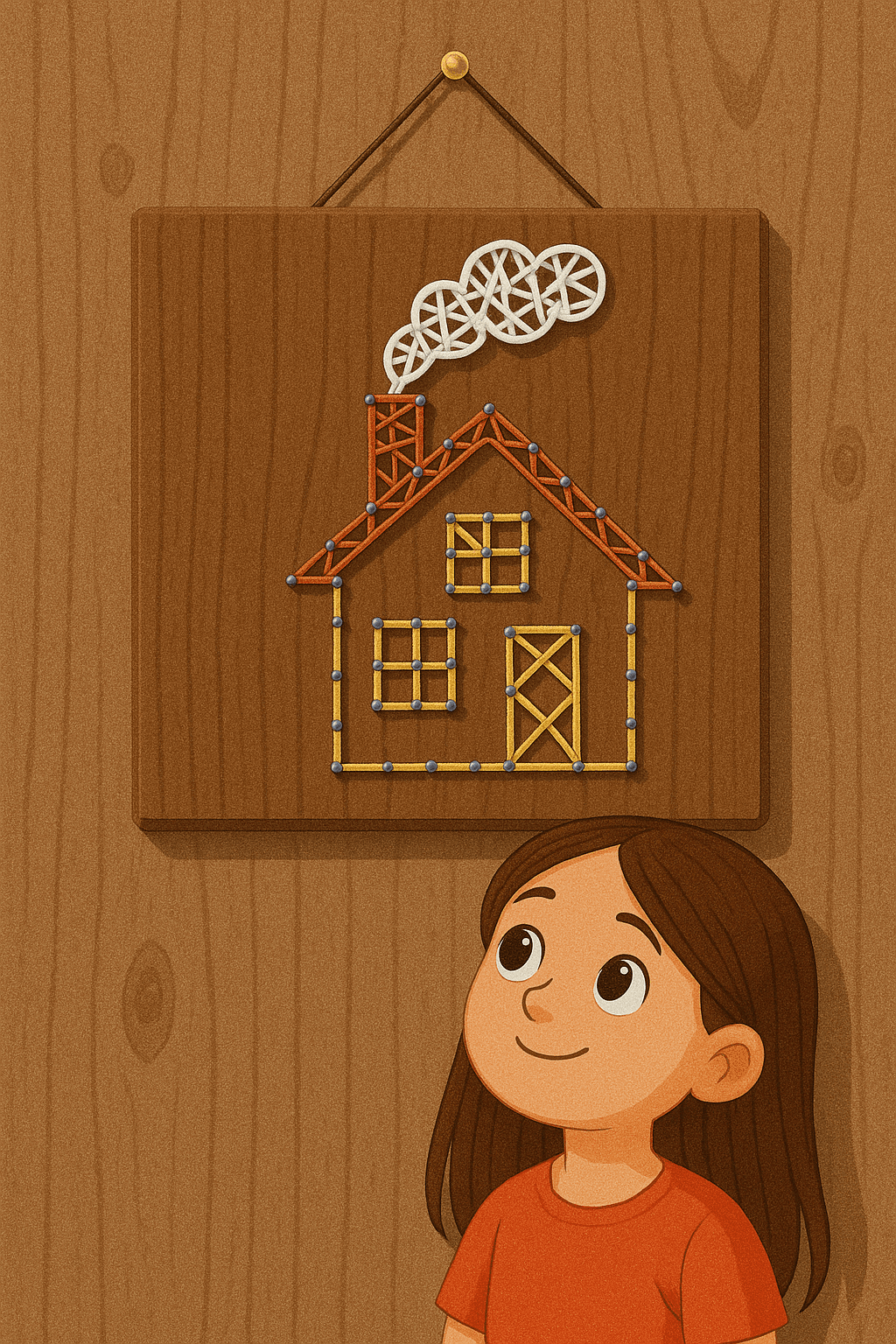
(Generated by artificial intelligence.)
What Designs Are Used?
Traditional motifs: Tulip, carnation, Ottoman tughra, Seljuk patterns.
Texts and calligraphy: Calligraphic expressions.
Modern designs: Contemporary patterns and geometric shapes.
Filigree Today
In Türkiye, municipalities and community education centers offer filigree courses.
In women’s cooperatives, filigree serves both as an art form and a source of income.
It is exhibited in art galleries and shared on digital platforms.