



Göllüdağ
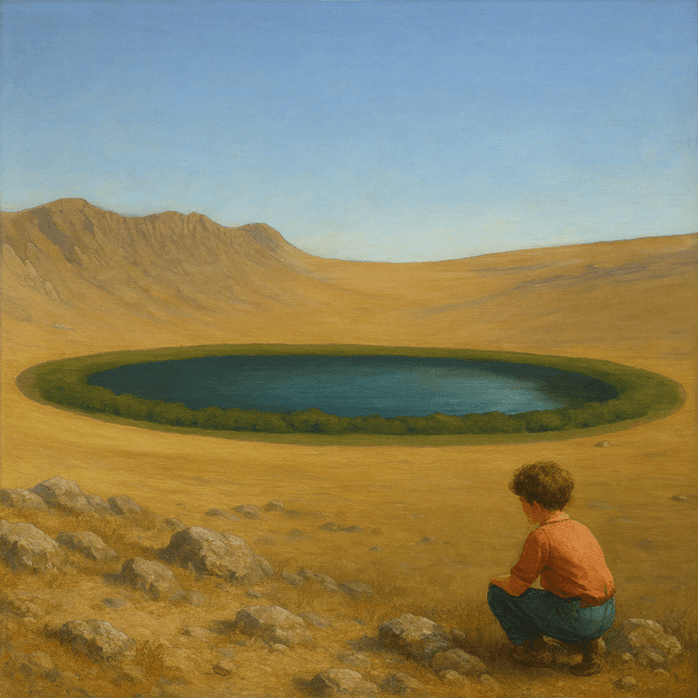
Göllüdağ is an extinct volcano located approximately 60 kilometers north of the city center of Niğde, near the village of Gölcük. It reaches a height of 2172 meters. Part of the crater depression at its summit contains a lake that gives the mountain its name. However, what makes Göllüdağ truly remarkable is the ancient settlement located on its peak. This settlement was constructed during the Late Hittite period and surrounded by walls.

(Generated by Artificial Intelligence)
Göllüdağ from Antiquity to the Present
Göllüdağ is also known historically as Kömürcü/Kaletepe Höyüğü. This settlement, dated to the late 8th century BCE, was protected by walls and housed several groups of structures. The first excavations were conducted in 1934 by Remzi Oğuz Arık, and later research was carried out by Burhan Tezcan and Wulf Schirmer.
Excavations uncovered stone artifacts such as double-headed lions, sphinxes, and lion-relief column bases. These items originally stood at the entrance of a large structure believed to have been a palace or temple. Today, some of these artifacts are displayed at the Niğde Museum, while others are exhibited at the Kayseri Museum.

(Generated by Artificial Intelligence)
A Natural and Historical Treasure
Göllüdağ attracts attention for both its natural beauty and historical significance. As an extinct volcano, its summit crater lake offers a striking landscape. At the same time, it is one of the rare examples in history where an important settlement has been preserved over time.

(Generated by Artificial Intelligence)