



GORDIUM ANCIENT CITY
Gordion is a unique ancient city located in the Yassıhöyük neighborhood of the Polatlı district in Ankara, where nearly continuous human settlement has persisted for 4500 years. Throughout history, it has stood at the intersection of major eastern civilizations and western empires, situated at the heart of vital trade routes. As the capital of the Phrygian Kingdom, Gordion attained great power and wealth especially during the reign of King Midas. In 2023, Gordion was inscribed on the UNESCO World Heritage List, becoming Ankara’s first World Heritage site.

(Generated by Artificial Intelligence)
Where and Why Is It Important?
Gordion is located approximately 90 kilometers from the city center of Ankara. Its proximity to the confluence of the Sakarya River and the Porsuk Creek placed it along major trade routes connecting the Aegean and Mediterranean regions with the Near East. This strategic location made Gordion valuable both militarily and culturally.
The Phrygians and King Midas
In the early first millennium BCE, Gordion served as the political and cultural center of the Phrygian Kingdom. The period associated with King Midas represents the city’s golden age. Although written sources on the Phrygians are scarce, extensive excavations at Gordion have provided abundant information about their architecture, daily life, and artistic sensibilities.

(Generated by Artificial Intelligence)
Tumuli: The Tombs of Kings and Nobles
One of Gordion’s most striking features is its tumuli—mound tombs constructed for kings and nobles. The most famous is the Great Tumulus (Tumulus MM), standing 53 meters high and recognized as the third largest tumulus in the world. The wooden burial chamber beneath it has survived intact to the present day.
Gordion Museum
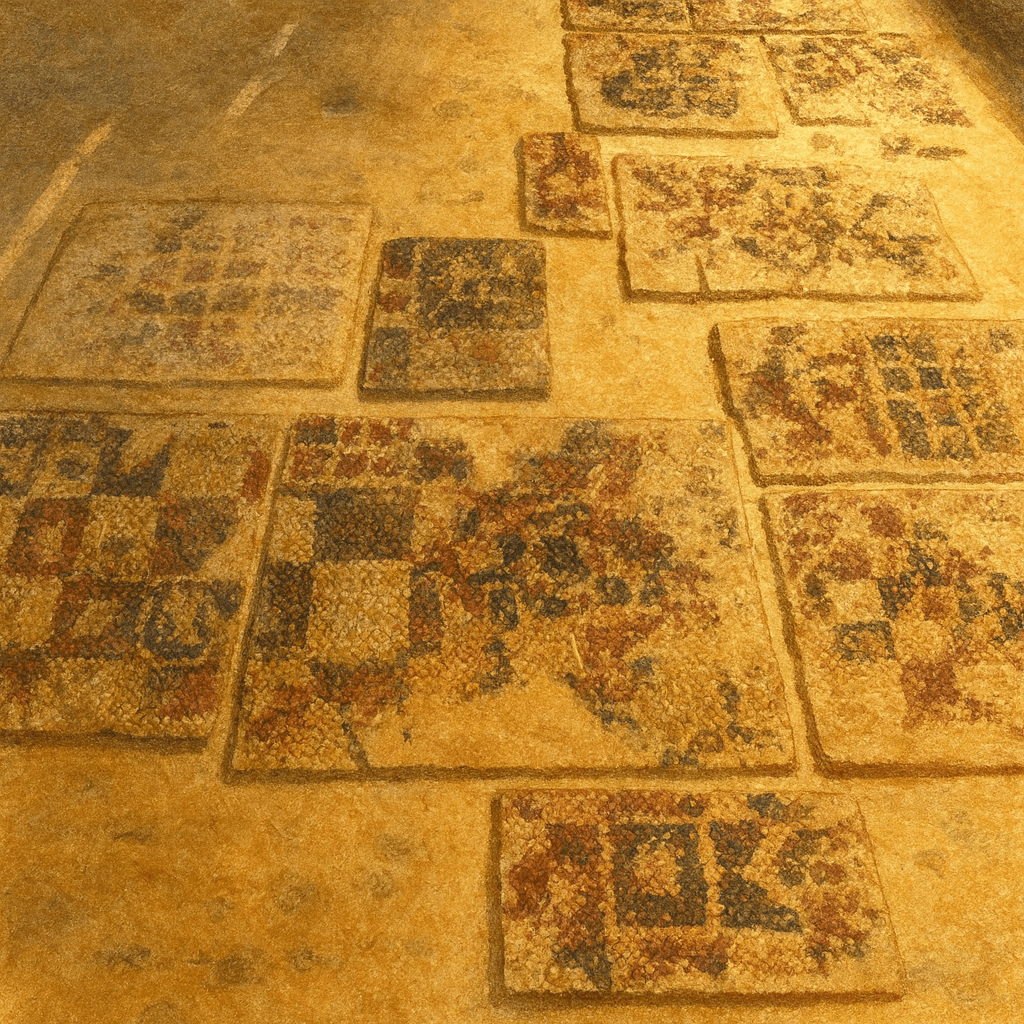
Established in 1963, the Gordion Museum displays artifacts unearthed during excavations. Here visitors can see pottery, iron tools, mosaics, and textile samples from the Phrygians, spanning from the Early Bronze Age to the Roman period. In 2000, the museum was shortlisted for the European Museum of the Year Award.

(Generated by Artificial Intelligence)