



Güdük Minare
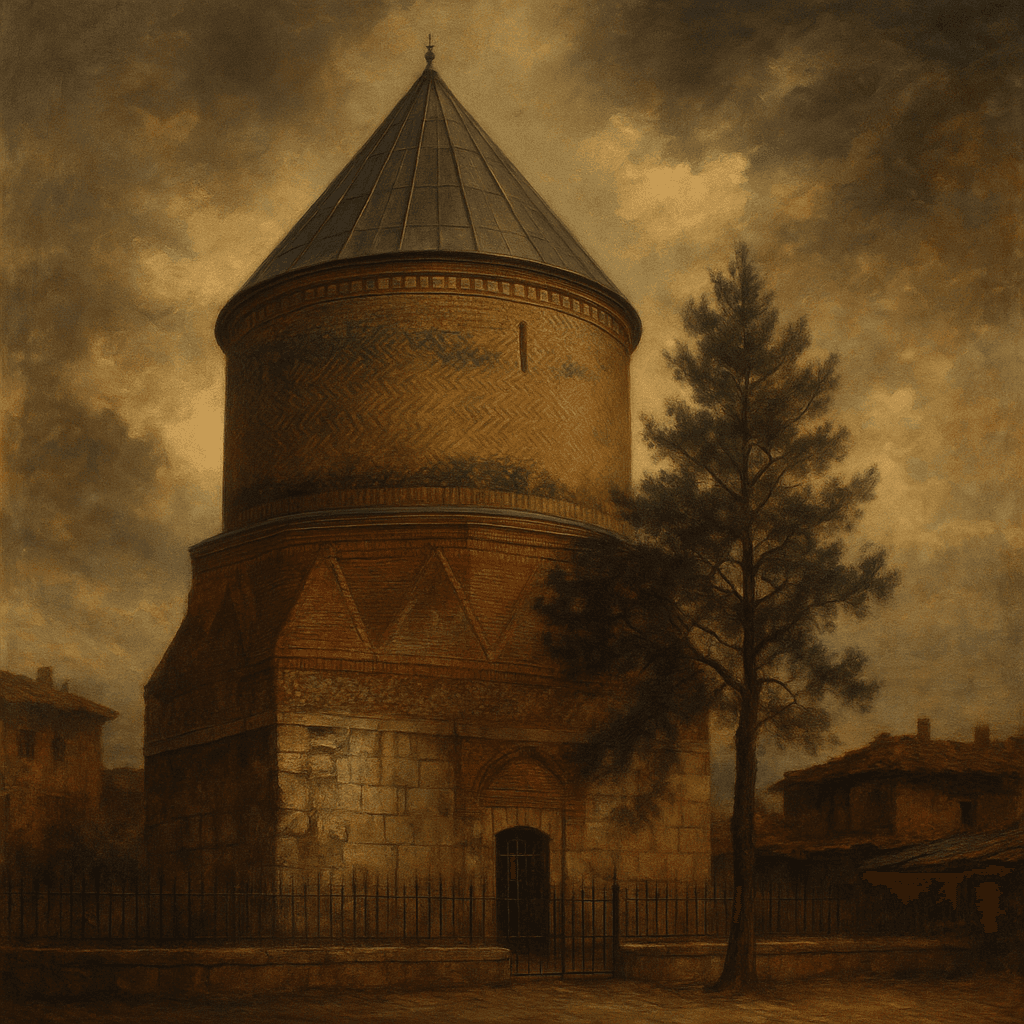
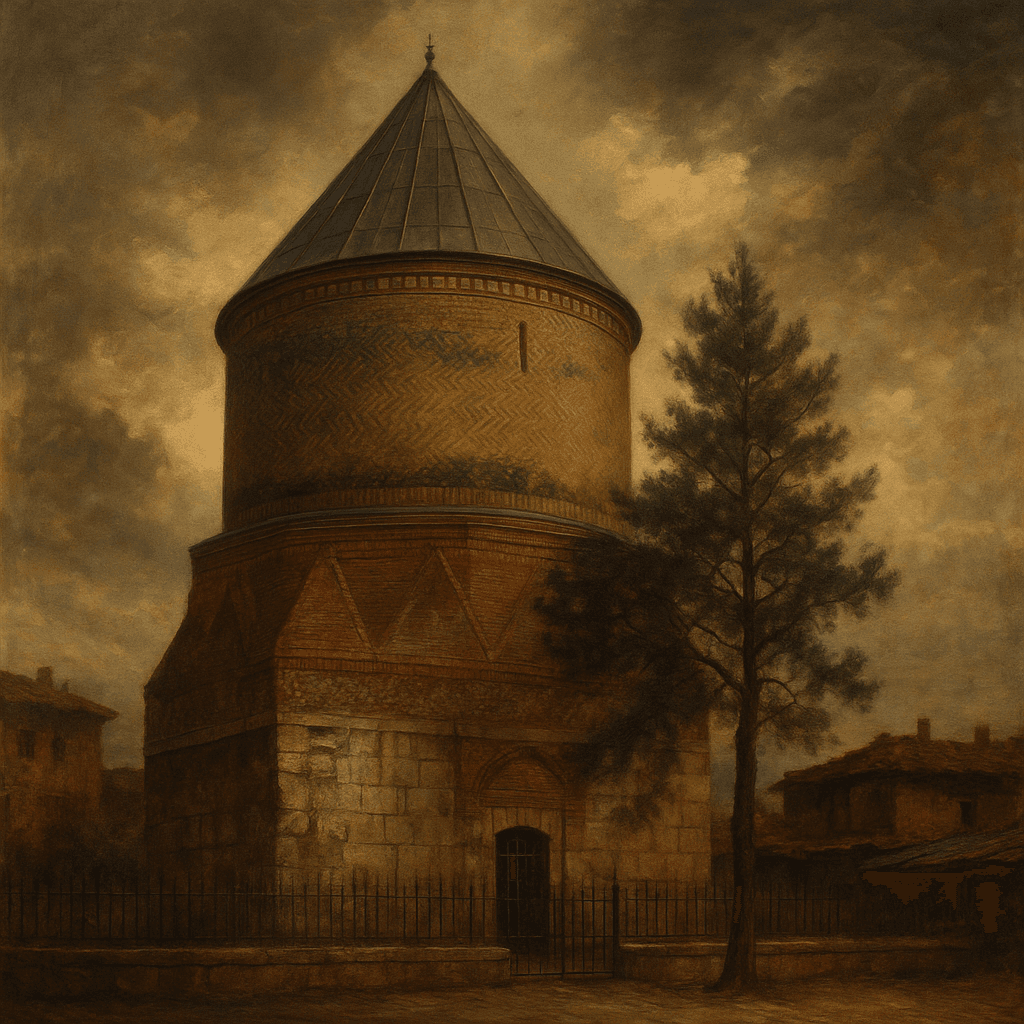
Located in the city center of Sivas, the Güdük Minare is a structure notable for its distinctive appearance and historical significance. Although it is called a minaret due to its resemblance to one, it is in fact a türbe. It was built by Alâeddin Eretna for his father, Şeyh Hasan Beg, who died in 1347. It is also known among the public as the Dabas Tekkesi.
(Generated by Artificial Intelligence)
What Is Its Structure?
The lower part of the türbe is constructed as a cube from cut stone. Upon this, a cylindrical section made of brick has been added and crowned with a conical roof. The transition to the upper section is achieved through a special architectural technique known as the “Turkish triangle.” These triangular elements serve both decorative and structural purposes, enhancing durability.
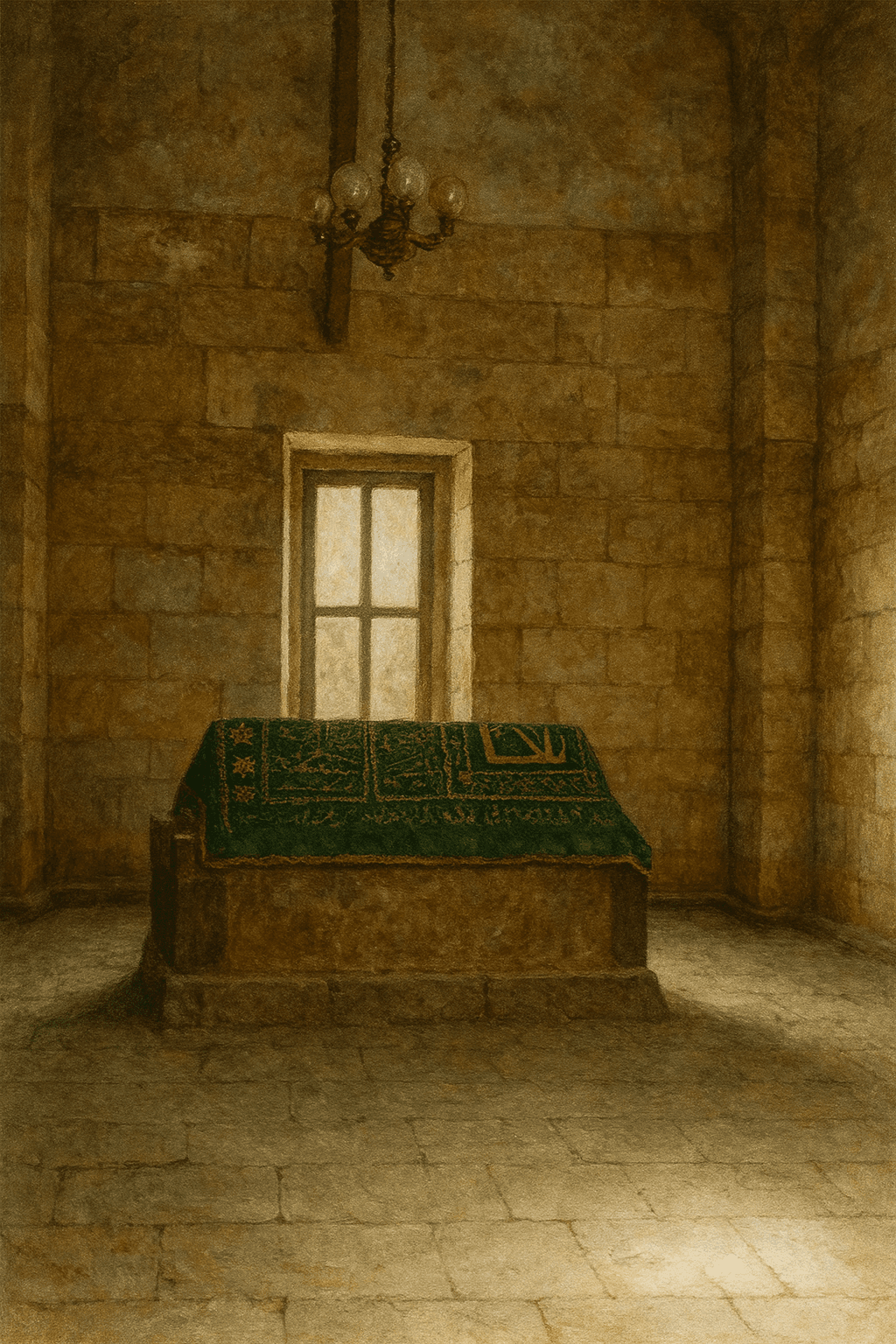
In the center of the türbe stands a rectangular sarcophagus (grave slab). The inscriptions are arranged in six separate panels. Inside, there is also a small death chamber. The chamber is not dark; it receives light through a small vent.
Decorations
The bricks on the body are arranged in different patterns to form motifs resembling baklava slices and the gamalı cross, used by the ancient Turks. Additionally, square bricks glazed in turquoise (blue-green) adorn the structure. At the upper level, friezes composed of red and turquoise bricks create decorative bands. When illuminated, these decorations produce a shadowed, dynamic visual effect.
(Generated by Artificial Intelligence)
Current Condition
Although parts of the Güdük Minare have suffered damage over time, the structure has survived to the present day. The roof cone is now covered with lead over a wooden base. Thanks to its original beauty, it occupies a unique position among other türbes in Anatolia.