





Hafik (District)
Sivas’s nearby Hafik is a settlement known for its lakes and historical heritage. This district, located in the center of Anatolia, has been home to many civilizations throughout history.
Where is Hafik?
Hafik is located approximately 37 kilometers east of the city center of Sivas, at the intersection of the steppe climate of Central Anatolia and the vegetation cover of the Black Sea region.【1】 The district’s terrain is traversed by the Kızılırmak River amid high mountains and plateaus.
Visual representing Gürün (District) (generated by artificial intelligence).
Settlements on Water
Archaeological investigations at the Pılır Höyük site on the shores of Hafik Lake have revealed that people built homes on wooden piles driven into the water thousands of years ago. These lake dwellings, the only known example of their kind in Türkiye, demonstrate that the region has been inhabited since very ancient times.
Caves and Tunnels
In Hafik, caves carved into cliffs can be found at locations such as Deliktepe, Kalemköy, and Direkli. These structures reflect how ancient inhabitants met their needs for shelter and security. Additionally, tunnels and engineering feats have been discovered within some hills, designed to secure water supply.

Visual representing Gürün (District) (generated by artificial intelligence).
The Silk Road and Historical Passages
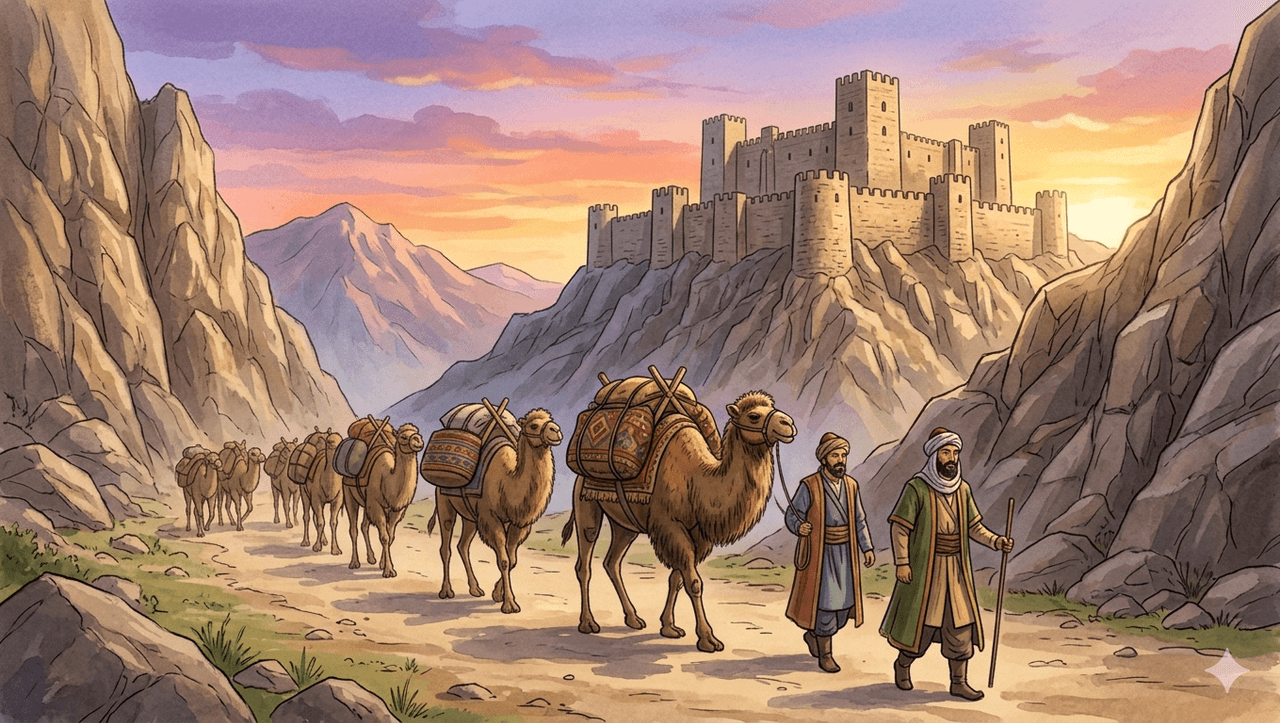
Hafik lies along the historical Silk Road and served as a route for caravans and armies. During the Seljuk and Ottoman periods, travelers and military forces used this corridor and made stops along the way. The place where Yavuz Sultan Selim’s army rested was named Sultanpınarı in commemoration of this event.
Hafik’s Cultural Values
In addition to its historical features, Hafik is known for its traditional crafts. Colorful Hafik socks, woven to suit the region’s climatic conditions, and Hafik carpets, embroidered with traditional motifs, are among the district’s important cultural assets. Hafik stands as one of Anatolia’s notable stops, distinguished by its ancient settlements, natural landscape, and cultural heritage.
Citations
[1]
T.C. Hafik Kaymakamlığı, “İlçemizin Tarihçesi,” Erişim Tarihi: 14 Mayıs 2026.