





Halka Tatlısı
Halka tatlısı is one of the most famous and beloved desserts in Turkish cuisine. It derives its name from its circular, hollow ring shape. This dessert attracts attention not only for its flavor but also for its deep historical roots. This distinctive treat, one of Adana’s most renowned desserts, has been prepared for centuries.
The History of Adana Halka Tatlısı
The history of Adana halka tatlısı dates back to ancient times. Its original name is “müşebbek,” which comes from the Arabic word meaning “net-like weave,” as its appearance resembles interwoven nets. During the Ottoman period, this dessert was given this name. For centuries, it continued to be commonly referred to as halka tatlısı.
It is known that müşebbek was prepared in Baghdad during the 1500s under the reign of Kanuni Sultan Süleyman. At that time, palace masters and dervishes made this dessert. Later, the method of preparing it spread to Anatolia, particularly to Adana.
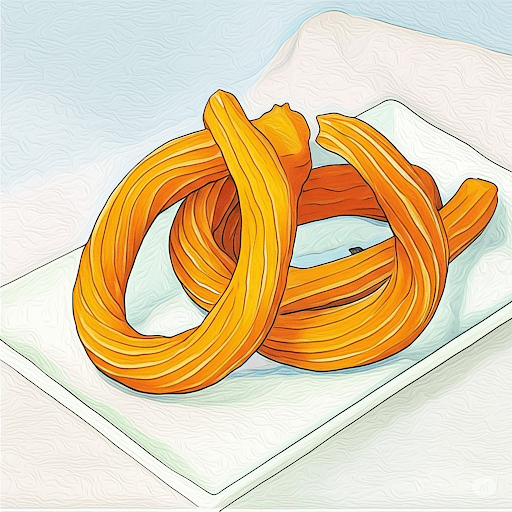
(generated by artificial intelligence.)
How Is It Made and Why Is It Different?
The preparation of Adana halka tatlısı requires specialized skill. The dough is made from flour, water, and a small amount of yeast. Using a piping bag, the dough is extruded into hot oil, forming the characteristic ring shape. After frying, the dessert is immersed in a pre-prepared cold syrup. It is crucial that the dessert remains crisp and does not absorb too much syrup.
Adana halka tatlısı differs from other desserts in several ways. Its dough is distinct from those used in other sweets, allowing it to remain crisp and absorb less oil. Additionally, the consistency of the syrup is equally important. Masters in Adana create this unique flavor using their own secret recipes. The master of this special dessert in Adana is Abdullah Hacıbaba.