

Hamidiye Medresesi
Hamidiye Medresesi is an important educational structure located in the Çemişgezek district of Tunceli, built during the Ottoman Empire period. This medrese was constructed during the reign of Sultan Abdülhamid II and served as a school where religious instruction was taught alongside other sciences.
Where Is It Located?
Hamidiye Medresesi is situated near the center of Çemişgezek district. It is among the buildings constructed in the late Ottoman period, particularly in eastern regions, to expand educational institutions. As such, it represents a significant example of the educational policies of that era.
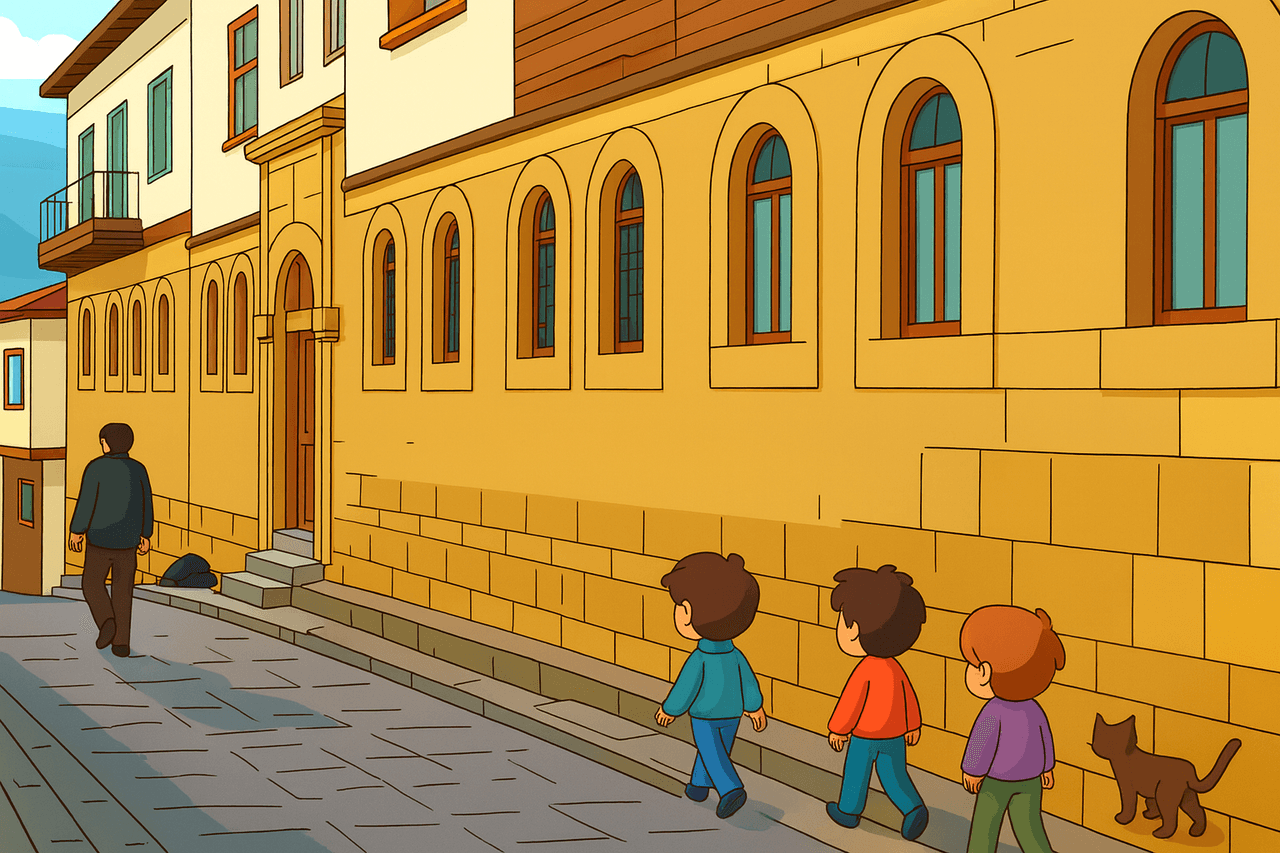
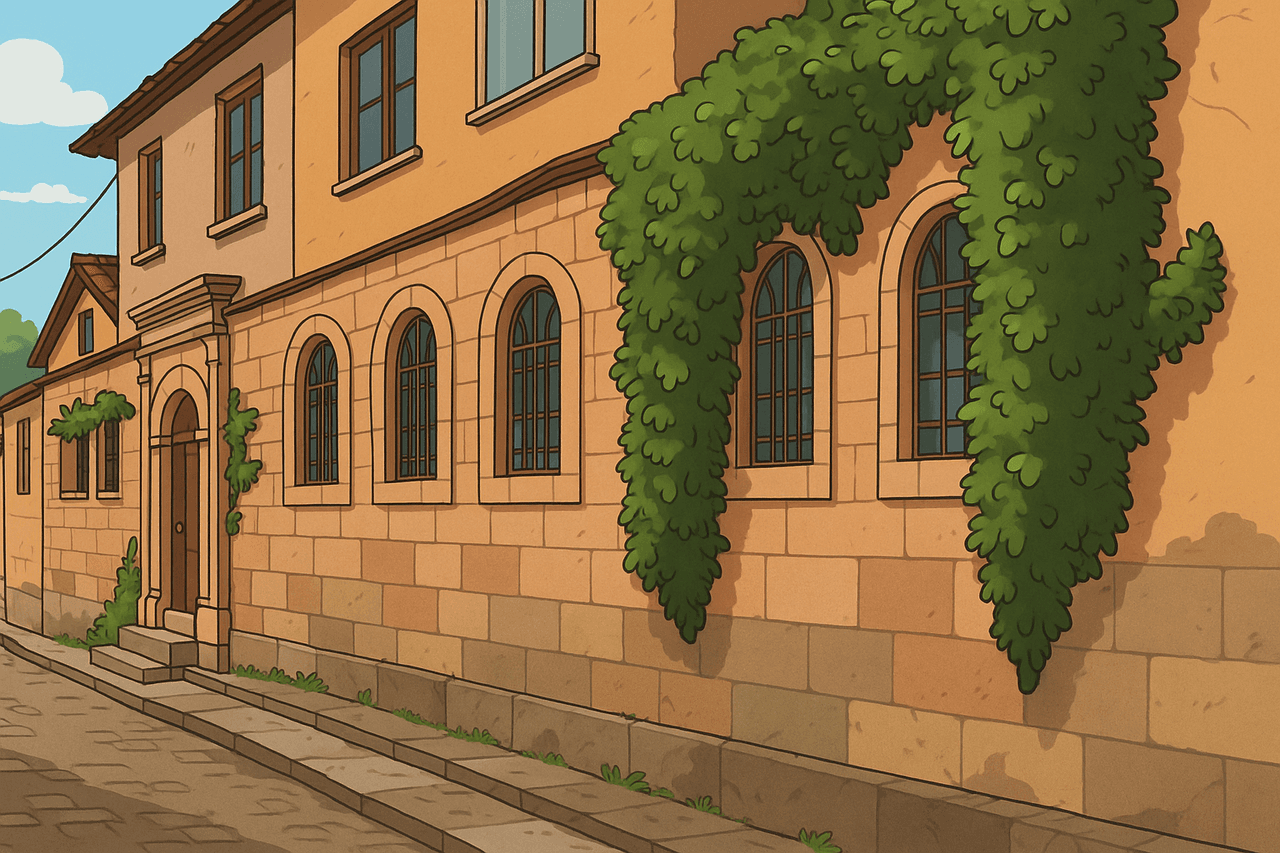
Culture PortalGenerated from the photograph using artificial intelligence.
Historical Significance
The late 19th century was a period when the Ottoman State sought to build more schools, administrative structures, and public buildings in the provinces. Hamidiye Medresesi was constructed during this time and became an important educational center where students from surrounding villages and towns received instruction.
Architectural Features
The medrese was constructed in two stories using stone.
- It has an arched entrance gate.
- Inside, there are eyvans and rooms where students attended classes.
- The upper floor has suffered damage over time and is no longer fully standing.
- The remaining portions help us understand the original form of the medrese.

Culture PortalGenerated from the photograph using artificial intelligence.
Current Condition
The medrese is no longer used for educational purposes. Due to prolonged disuse, some sections have collapsed. However, both the Tunceli Provincial Directorate of Culture and Tourism and the Çemişgezek Municipality are undertaking efforts to preserve the structure. Their goal is to restore the medrese and transform it into a tourist and cultural site.
Why Is It Important?
Hamidiye Medresesi is one of the most significant structures illustrating the history of Çemişgezek.
- Many students received their education here in the past.
- It reflects the region’s culture and historical understanding of education.
- The parts still standing today help future generations understand and appreciate this heritage.