



Herakleia Ancient City
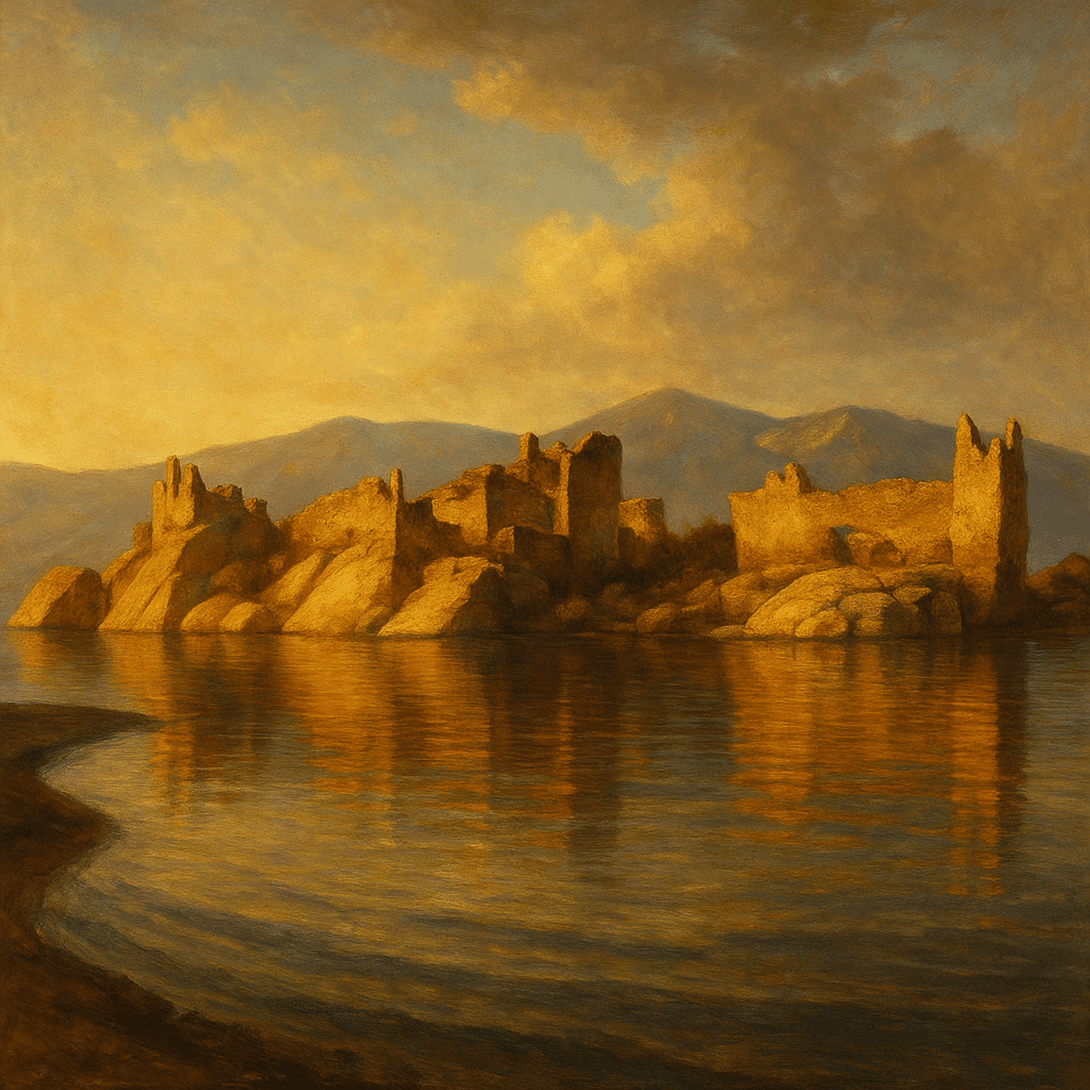
Hidden along the shore of Lake Bafa in Kapıkırı Village, part of the Milas district of Muğla, lies a mysterious ancient city: Herakleia. Once connected to the sea, the city lost its bay to alluvial deposits brought by the Menderes River and now rests beside the lake. It derives its name from the famous Greek hero Heracles. But here you will find not only tales of heroism, but also temples, theaters, rock paintings, and a vast city enclosed by walls.
(Generated by Artificial Intelligence)
Short History of the City
The history of Herakleia dates back to antiquity. In the 8th century BCE it was known as Latmos. During the Hellenistic period, a 6.5-kilometer-long wall reinforced with 65 towers was constructed around the city. It passed through the eras of Alexander’s Empire, the Seleucids and Rome. After losing its connection to the sea and its commercial power, it became a refuge for Christian monks.
Important Structures
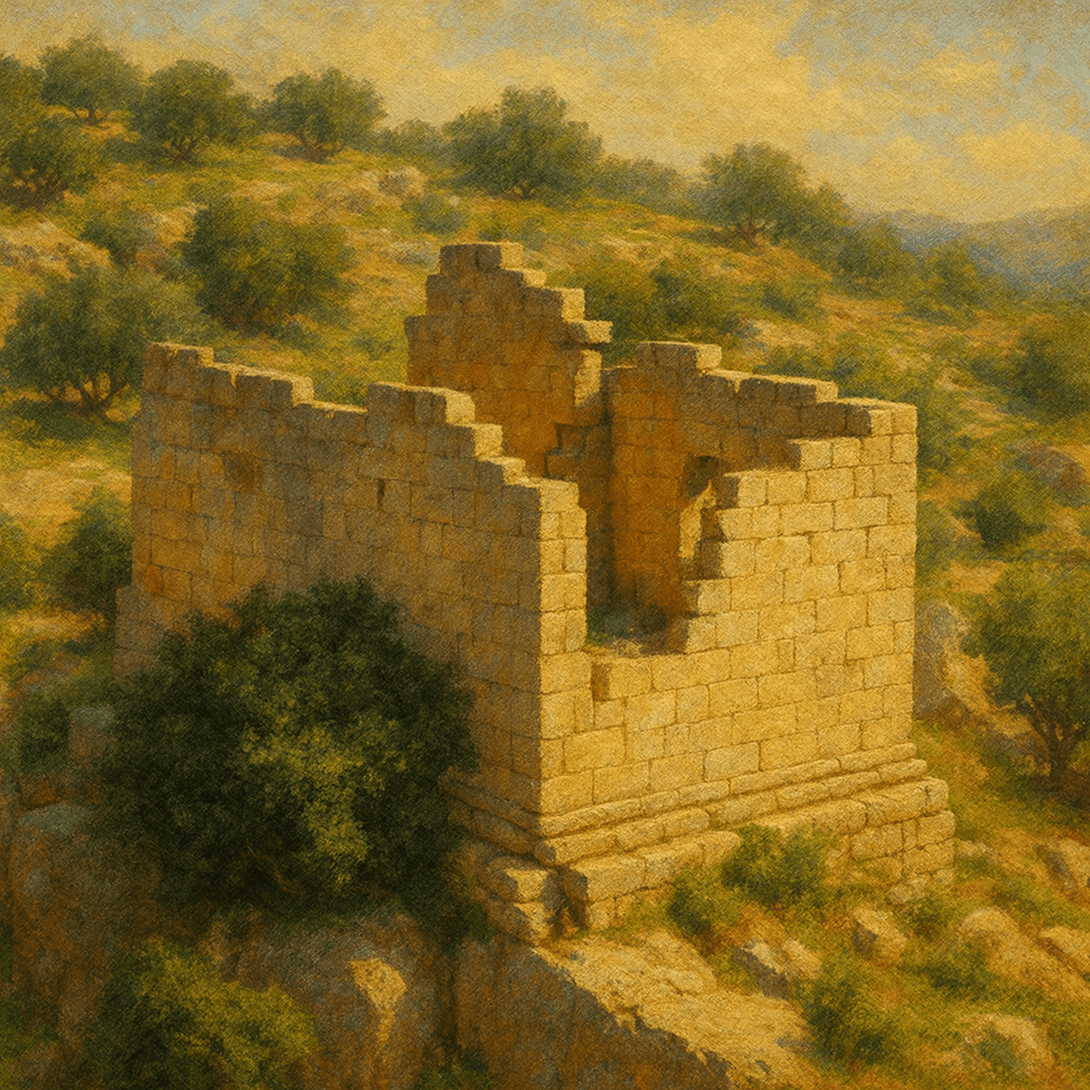
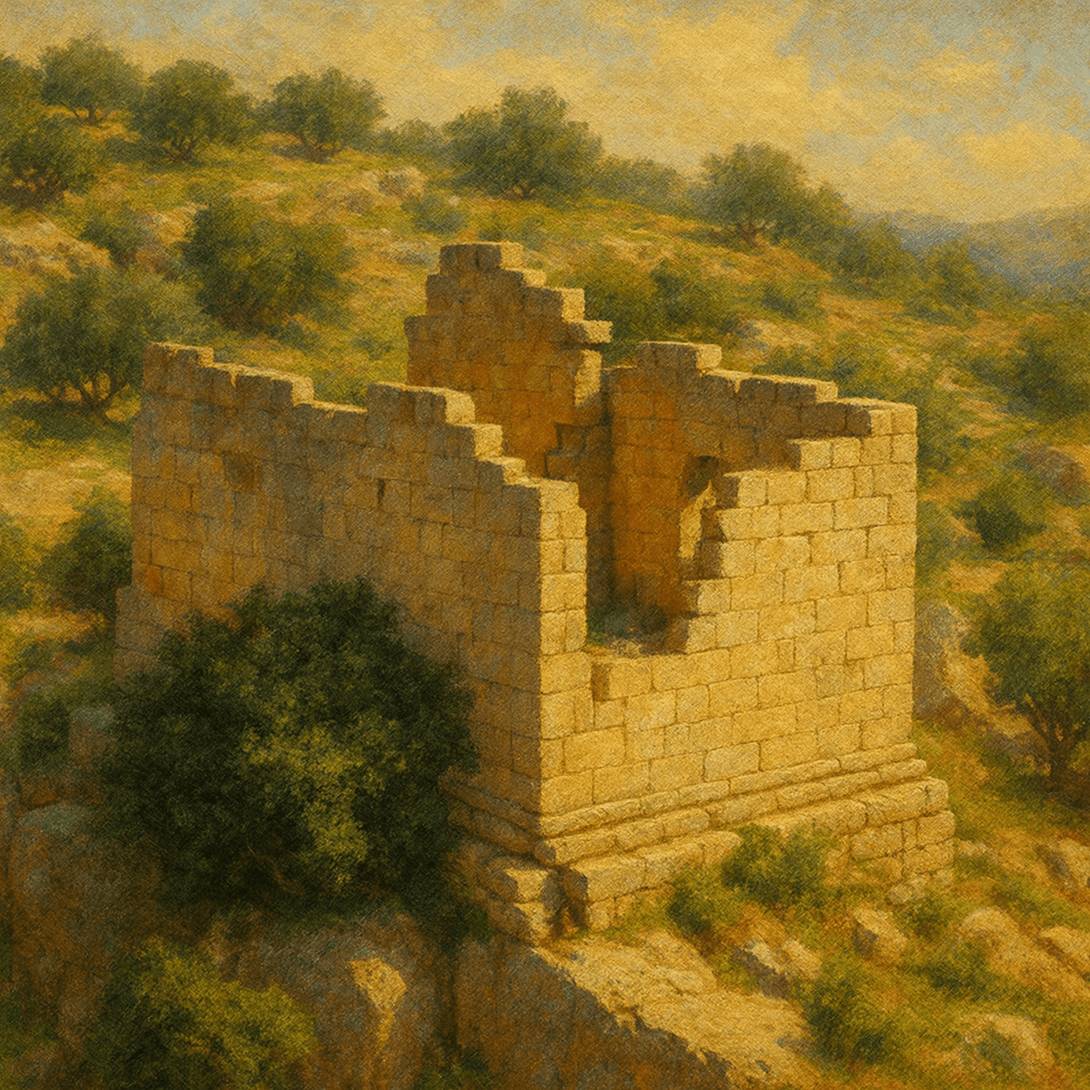
Athena Temple: Located on a hill dominating the city, this Doric temple built in the 3rd century BCE is dedicated to the goddess Athena.
Agora: The city’s commercial center, notable for its two-story structure.
Bouleuterion: The building where the city council convened.
Sanctuary of Endymion: Dedicated to the myth of Endymion, the shepherd loved by the moon goddess Selene.
Theater: The city’s venue for entertainment and performances.
Necropolis: A burial ground dating from the Hellenistic period.
Rock Paintings: 170 such paintings have been found on the Latmos Mountains. They depict scenes from daily life, with men shown naked and women depicted in skirts or aprons.
(Generated by Artificial Intelligence)
Natural and Historical Features
Herakleia was built on rocky and uneven terrain. Its streets follow the Hippodamian grid plan, intersecting at right angles. The view of Lake Bafa, combined with the historical fabric of the city, creates a unique landscape.