




Little Penguin
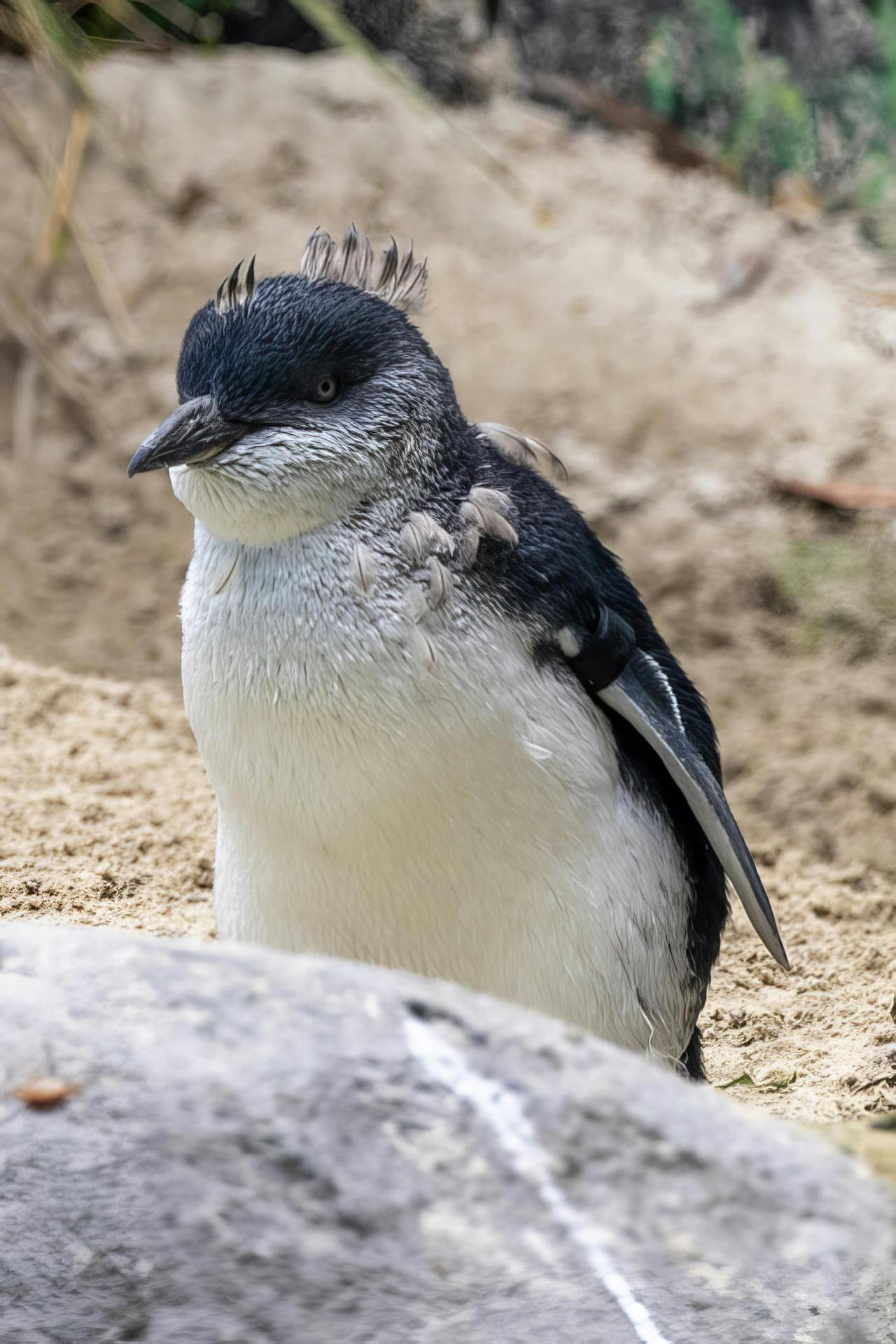
The little penguin or blue penguin (Eudyptula minor) is the smallest species of penguin. It is a charming and agile bird that lives in marine and coastal ecosystems. One of its most distinguishing features compared to other penguins is its small size and blue-gray plumage.

Little Penguin (Pexels)
What Color Are They?
The plumage color of little penguins can vary slightly depending on their region. Their backs and upper parts are blue-gray while their chests and bellies are bright white. Their faces are typically light gray or white, with a noticeable color transition around the eyes. These colors help them blend in underwater and appear charming on land.
How Large Do They Grow?
Little penguins measure approximately 25–33 cm from head to tail. Their weight generally ranges between 1 and 1.2 kilograms.

Little Penguins (Unsplash)
How Long Do They Live?
The average lifespan of little penguins in the wild is 6 to 7 years. However, some individuals can live up to 10 years under favorable conditions. Predators, harsh weather, and difficulties in finding food are the main factors that shorten their lifespan.
What Do They Eat?
In the wild, little penguins primarily feed on fish, small squid, and crustaceans. They especially prefer small fish such as sardines and anchovies. They catch their prey mostly while swimming in the ocean.

Little Penguins (Pexels)
Where Do They Live?
Little penguins are commonly found along the coasts of Australia and New Zealand. Coastal islands, rocky shorelines, and beachside nesting areas are their preferred habitats. These locations provide safe nesting sites and easy access to the sea for foraging.
Conservation Status
The little penguin is classified as “Least Concern” by the International Union for Conservation of Nature (IUCN), indicating that its wild population is not currently under serious threat.