




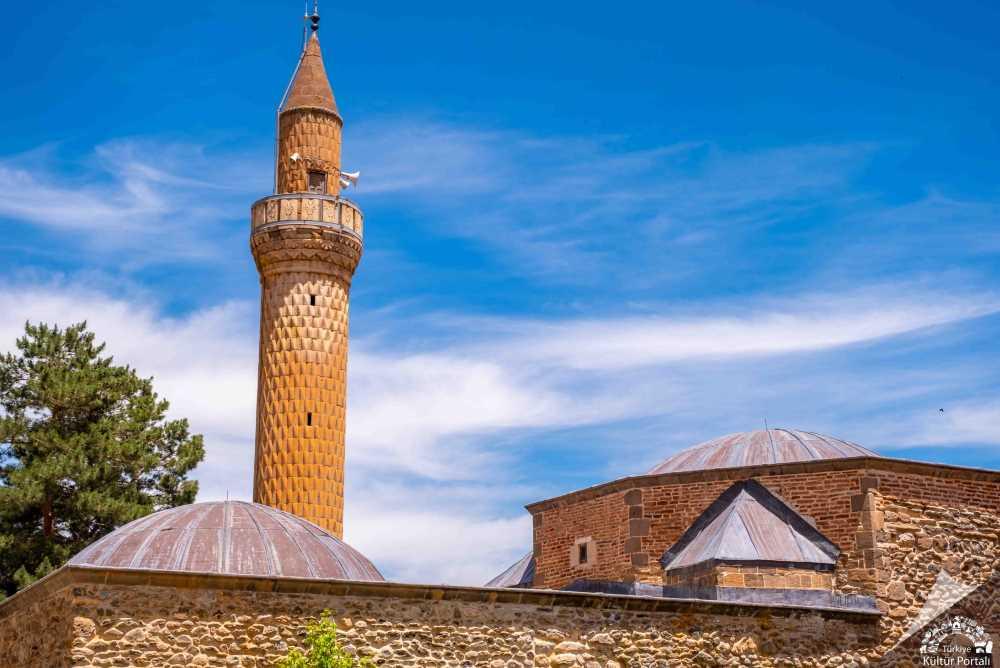
Muş Grand Mosque
Imagine a massive stone structure standing tall for centuries at the very heart of the city of Muş, silently accompanying the life of the town. This structure is the Ulu Camii, one of Muş’s oldest and most important treasures.
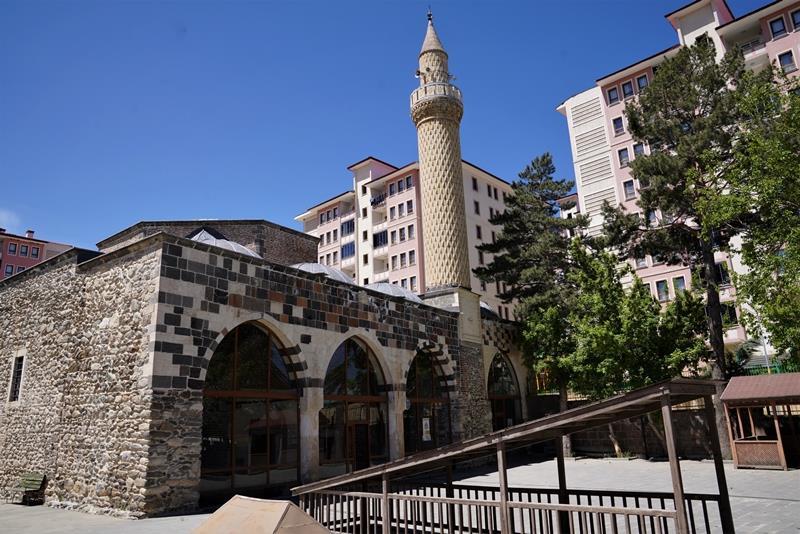
Muş Ulu Cami (Ministry of Culture and Tourism)
Who Commissioned This Mosque?
There is no inscription (kitabe) on the Ulu Camii indicating when it was built. However, according to the stories told, the mosque was commissioned by Sheikh Muhammad al-Maghribi, whose tomb lies in the mosque’s courtyard. Based on its architectural features, scholars believe the grand structure was constructed toward the end of the 14th century. This means the mosque has stood in place longer than even the great-grandparents of our ancestors could have seen.
The Story of the Stones and the Architecture
Unlike other buildings in its surroundings, the mosque is constructed from irregular stones known as moloz stone. Looking at the roof, you can see a large dome at the center and barrel-vaulted roofs (beşik tonoz) on either side. The stone columns inside have carried the heavy roof without fatigue for centuries. The mosque’s entrance door is set within a pointed arch, presenting a simple yet striking appearance.
The Earthquake and the Restored Minaret
Did you know? The Muş Ulu Camii has endured difficult times. In the major earthquake of 1966, the mosque’s minaret unfortunately collapsed. But people immediately rolled up their sleeves to preserve this historic heritage. Through restoration work carried out in 1968 and 1972, the minaret was rebuilt to closely resemble its original form.
A Journey Through Time
Let us travel back exactly 600 years. At that time, Muş had no tall buildings or cars like today. People reached the mosque on horseback or on foot. The mosque’s walls were as sturdy then as they are now, offering peace and solace to those who came.