



Pirkulzade Library
Libraries are like magical boxes containing thousands of pieces of knowledge. The Pirkulzade Library located at Burdur is precisely such an important structure. This library was not merely a place where books were collected; it also marked the first step in the establishment of Burdur Museum. When you visit this site, you will see a historic building and embark on a journey into Burdur’s past.
Pirkulzade Library (Culture Portal)
🕋 A Journey Through Time
The founding of the Pirkulzade Library dates back approximately 200 years to the Ottoman Empire era. The exact date, 1823 (1239 according to the Hijri calendar), can be seen on the seals of the books housed there. According to a document written in 1824 (1240 Hijri), the library was constructed by Küçük Şeyh Mustafa Efendi, the Mufti of Burdur (the official responsible for religious affairs). At that time, the establishment of such libraries in cities like Burdur demonstrated how highly people valued reading and learning.
🗺️ Location and Purpose
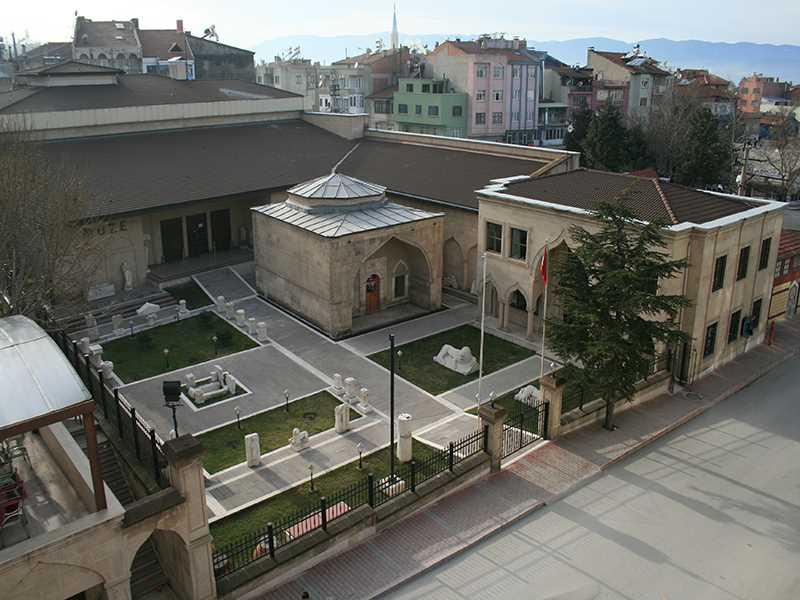
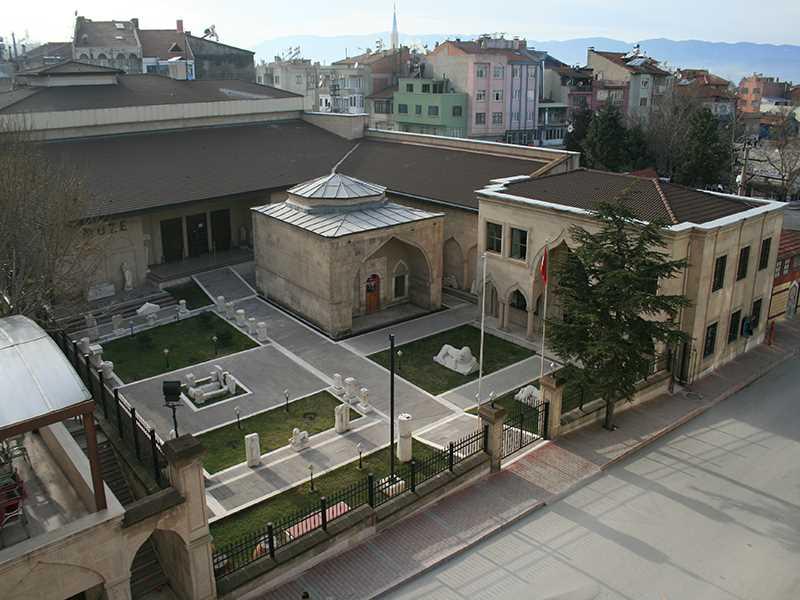
The Pirkulzade Library is located in the city of Burdur, in southwestern Türkiye, within the Lake Region. Today, this historic building stands within the grounds of the Burdur Museum. In fact, the library is the only surviving structure of what was once known as the Bulguroğlu Medresesi, an educational institution.
For many years, the library housed books. However, beginning in 1956, historical artifacts collected from Burdur and its surroundings began to be stored in this building. Thus, the library structure became the first core, the very origin, of the Burdur Museum.
Pirkulzade Library (Culture Portal)
🏛️ Architectural Features
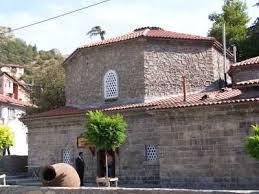
This library building is an excellent example of Ottoman architecture. Its style resembles buildings constructed in the 18th century (the 1700s) and later. The walls feature fine stone masonry and elegant classical windows, which reflect the artistic sensibilities and craftsmanship of the period. Today, artifacts related to the Turk-Islamic culture are exhibited inside the library. These artifacts provide insight into the lifestyles and arts of people in the past.