

Selimiye Foundation Museum
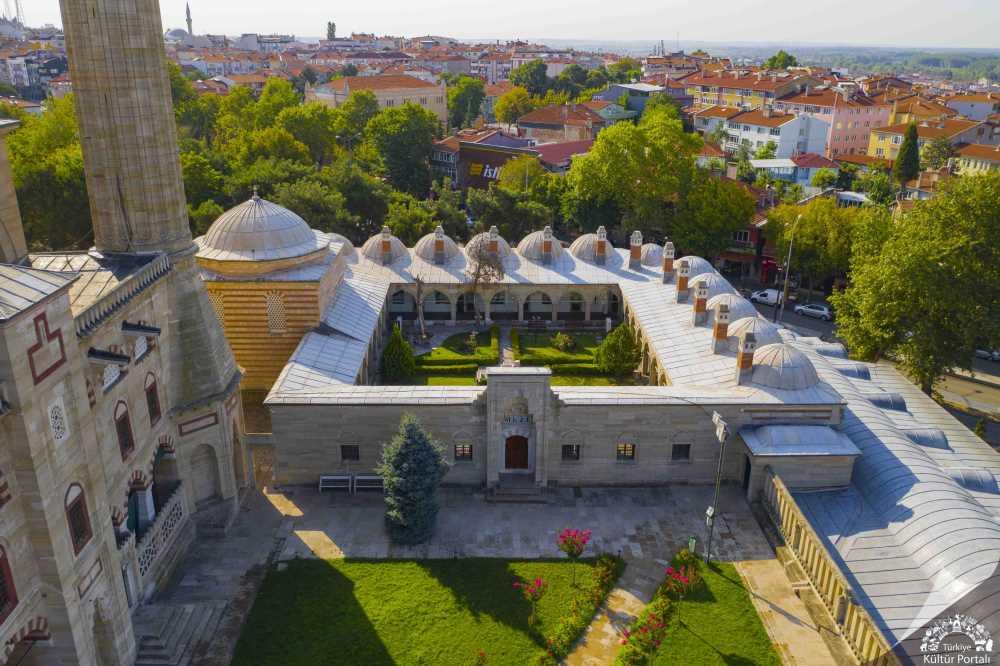
The Selimiye Waqf Museum is a historical museum located within the Selimiye Camii complex in Edirne, a structure renowned worldwide. This building, originally used for the preservation and display of historical artifacts, houses valuable waqf objects dating back to the Ottoman period. The museum presents visitors with the artistic richness of the past through both its architectural design and the thousands of years of cultural heritage it contains.
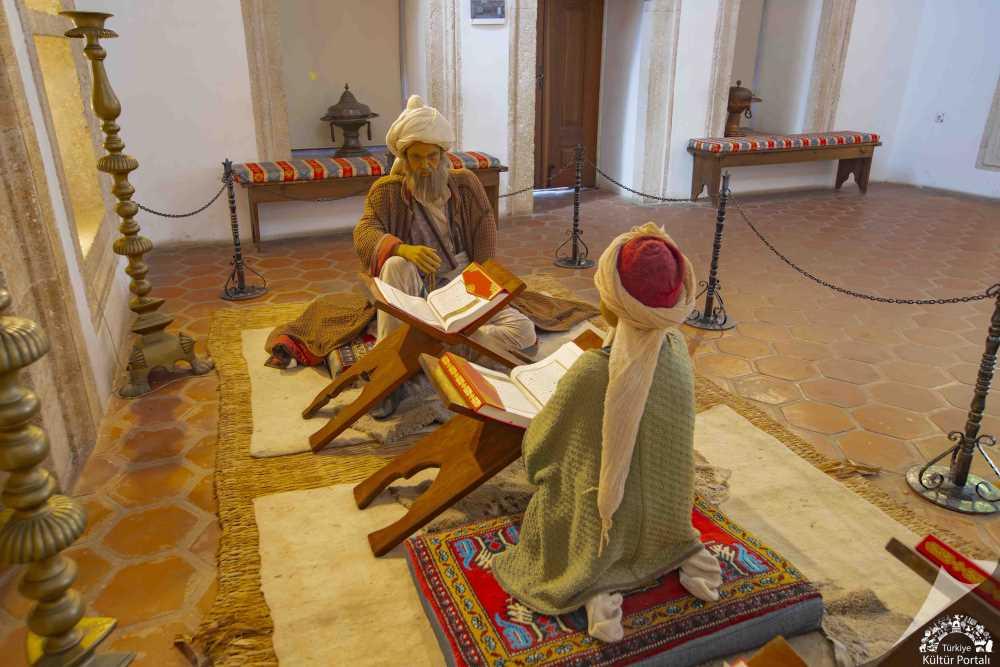
Interior of the Selimiye Waqf Museum (Culture Portal)
Architectural Features and the Dar’ül Kurra Section
The building, now serving as a museum, was constructed in 1575 during the reign of Ottoman Sultan Selim II by the master architect Mimar Sinan. Originally part of the mosque complex, it was known in its time as the Dar’ül Kurra, a school dedicated to teaching the beautiful recitation of the Qur’an. Built from cut stone, the structure features a spacious courtyard at its center surrounded by domed small rooms. Mimar Sinan designed these rooms to provide a quiet and serene environment for visitors to study and read.
Exhibited Calligraphy and Manuscript Works
One of the museum’s most valuable sections displays examples of the art of calligraphy known as hat sanatı. Here, handwritten manuscripts, monumental copies of the Qur’an, and official documents bearing the sultans’ signatures (firmans) are exhibited. The reed pens, special ink known as is mürekkebi, and gold leaf used for decoration in these works can be examined in the museum. This section vividly illustrates how books, before the advent of printing, were painstakingly handwritten and transformed into individual works of art.
Examples of Wood, Metal and Metalwork Art
The museum rooms display finely crafted wooden and metal objects from the Ottoman period. These include the mosque’s original doors, mother-of-pearl inlaid drawers, and wooden lecterns adorned with floral motifs used for holding Qur’anic manuscripts. Additionally, large chandeliers and oil lamps made of cast iron or bronze, once used for lighting in mosques, are preserved in the museum. These artifacts reflect the skill of the period’s artisans in producing objects that were both durable and aesthetically refined.
Historic Carpet and Kilim Collection
The Selimiye Waqf Museum holds one of Türkiye’s richest collections of historic carpets and kilims. These carpets, woven from wool dyed with natural plant-based dyes centuries ago, were collected from various cities and waqf mosques and brought here. Each geometric pattern and motif on the carpets carries a specific meaning; weavers often used these designs to express either nature or their own emotions. The museum protects these delicate works using specialized climate-control systems to shield them from sunlight and moisture.
A Journey Through Time
Built in 1575, 451 years ago, as an educational center, this stone structure was transformed into a modern museum in 2007 following restoration work that enabled it to preserve the artistic treasures of the past.