



The History of the Iron
👕 What Is an Iron?
An iron is a household appliance used to remove wrinkles from clothing. After washing, fabrics become creased; the iron eliminates these wrinkles through heat and pressure, making garments look neater and more elegant.
🔍 Where Did the Idea of Removing Wrinkles Come From?
Even thousands of years ago, people wanted their clothes to appear smooth. For this reason, they used stones, heavy mallets, and heated metals to flatten fabric. Over time, this idea evolved, and the iron was invented!
⏳ What Did the First Irons Look Like?
- In ancient China, people pressed garments with heated metal plates to smooth them out.
- During the Middle Ages in Europe, heavy iron irons filled with hot charcoal were used.
- In the 1800s: Cast iron irons heated on stoves appeared in America.
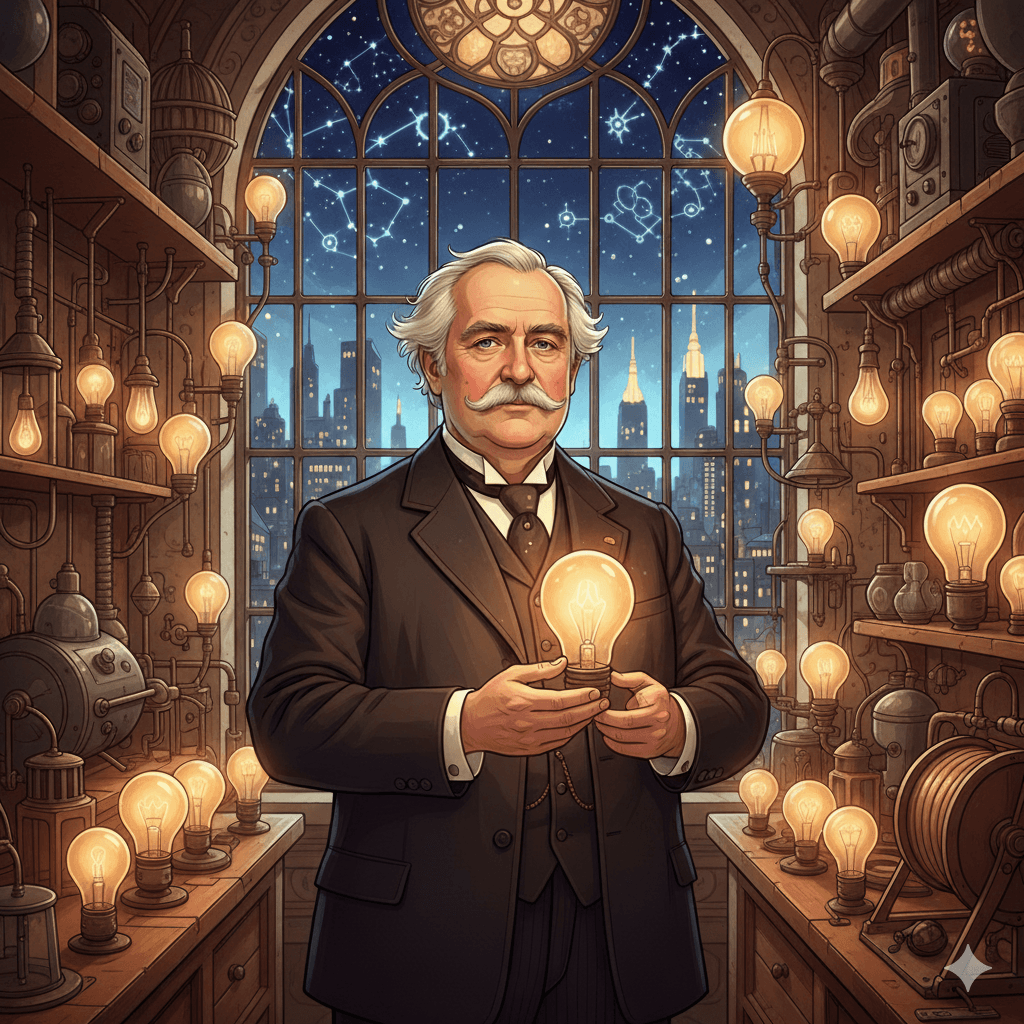
- 1882: Henry Seely invented the first electric iron. Ironing became easier and safer!
- The 20th century: Steam irons were developed. These irons could remove wrinkles more easily.
- Today: Steam generator, cordless, and smart temperature-controlled irons have become common in homes.
Journey Through Time: Cast Iron Iron
Let’s travel back in time, children...
The calendar shows the 1800s. Electricity has not yet reached homes. People want their clothes to look neat, but they do not have steam irons like we do today.
So what do they have?
👀 Before them stands a heavy, pitch-black cast iron iron.
This iron is made of thick metal. It has no electricity, no buttons, and no steam reservoir!
How does it work?
🪵 It is heated on a burning fireplace or stove.
🔥 Once hot, it is quickly pressed onto garments.
💪 But be careful! Because it is extremely hot, it must be held with gloves. And because it is very heavy, physical strength is required!
Some families owned several irons. When one cooled down, another was put into use.
So ironing back then was a bit of sport and a bit of patience!

(Generated by artificial intelligence.)
⚙️ How Does an Iron Work?
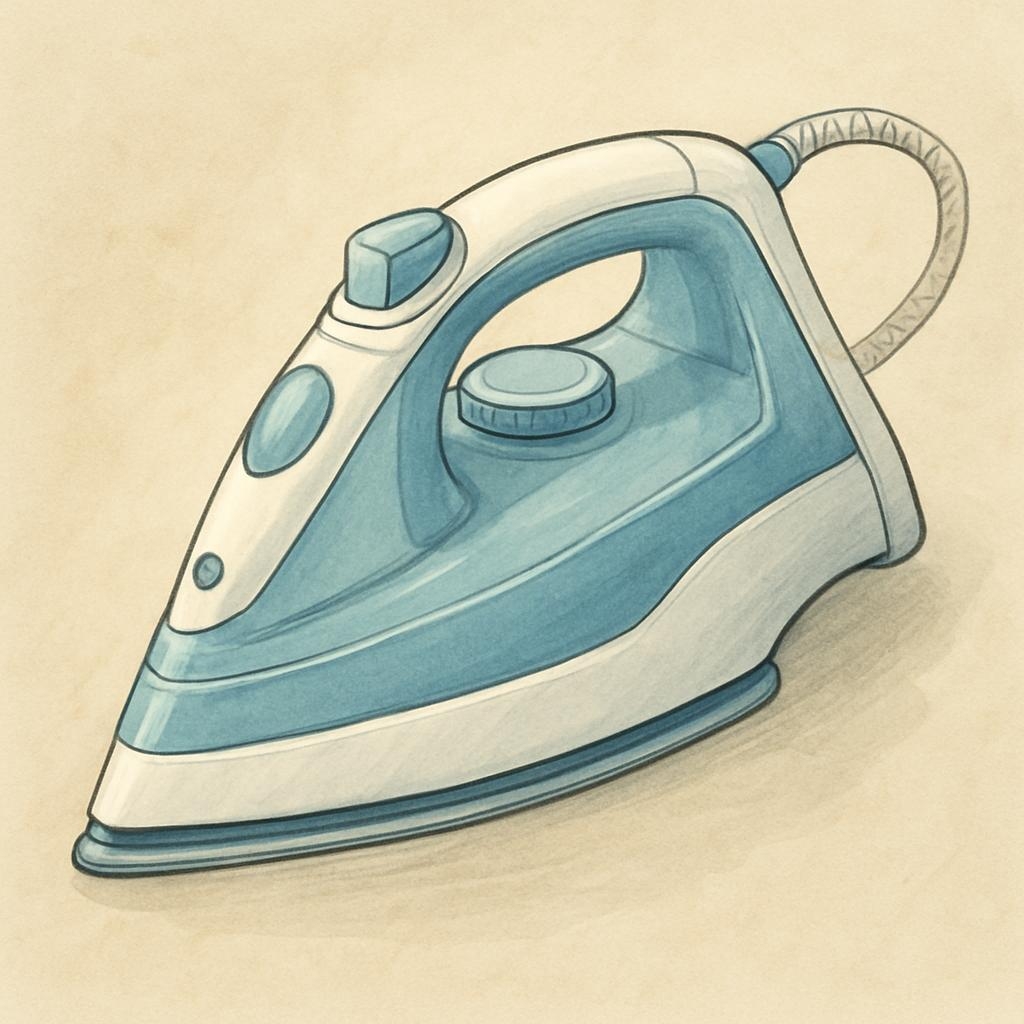
An iron heats up using electricity. Its hot base, sometimes combined with steam from internal water, smooths out wrinkles in fabric.
Its main components are:
- Heating base
- Water reservoir (if present)
- Steam vents
- Temperature control dial
- Electrical cord or battery
🧪 Home Experiment: Fabric and Heat Test
With adult supervision, you can perform a simple experiment:
1. Crumple a piece of cotton fabric.
2. Press it with a damp cloth (instead of an iron).
3. Place a warm water bottle on top and wait a few moments.
→ What happened? Did the fabric become somewhat smoother?
*This method can help you understand how an iron works!*
⏱️ Timeline of Key Developments
- 📜 First cast iron iron: Used in the 17th century
- ⚡ First electric iron: 1882, USA
- 💨 First steam iron: Developed in 1926
- 🔋 First cordless irons: Became widespread in the 2000s
🌍 Where Are Irons Used Today?
- In homes to smooth clothing
- In tailoring shops and workshops for garment sewing
- In hotels and dry cleaners
- In some factories for preparing large fabric rolls

(Generated by artificial intelligence.)
📚 Sources
- TÜBİTAK Bilim Genç – “The History and Working Principle of the Iron”
- Smithsonian Institution – “Electric Iron Timeline”
- National Museum of American History