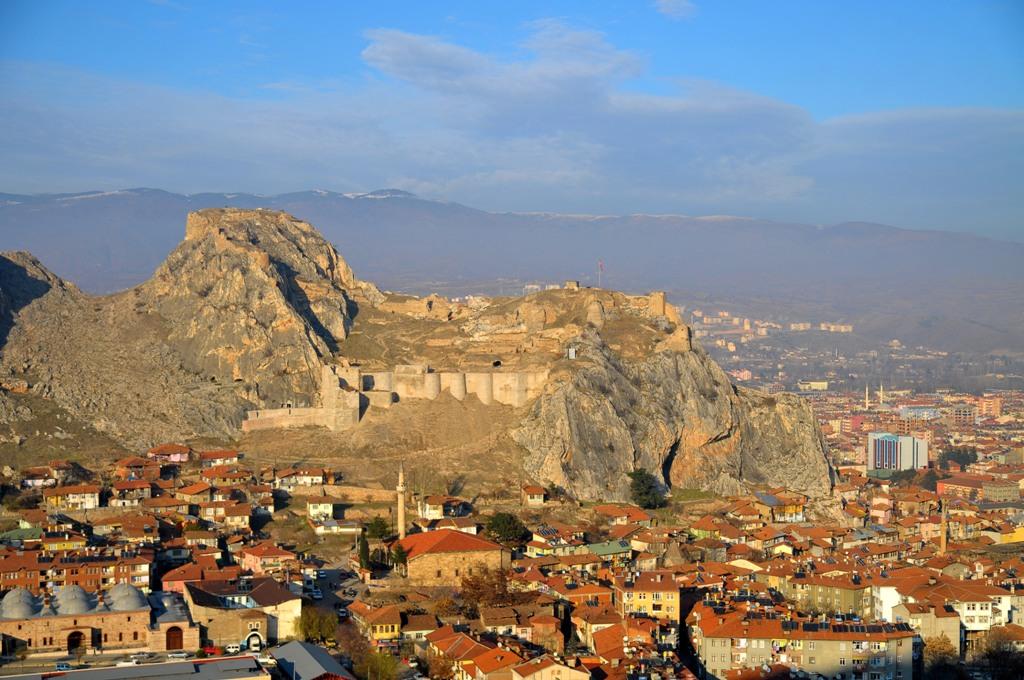




Tokat Castle
Imagine a massive structure standing upright on steep cliffs adjacent to the sky. Tokat Kalesi is a tremendous fortress that overlooks the city from above and holds within its walls thousands of years of history. From a distance, this fortress appears to merge seamlessly with the surrounding rocks, having endured from the depths of history to the present day.
The Fortress’s Long Journey
Although the exact date of its construction remains unknown, the earliest traces of the fortress extend back approximately 1,600 years to the Roman period.
Due to its strategic location, the fortress has been a prized possession of many states throughout history.
The Byzantines lived in this fortress for exactly 500 years. Subsequently, many Turkish states including the Seljuks and Danişmendliler, as well as the Ottomans, took control of the fortress. Each state added its own elements to strengthen and expand it further.
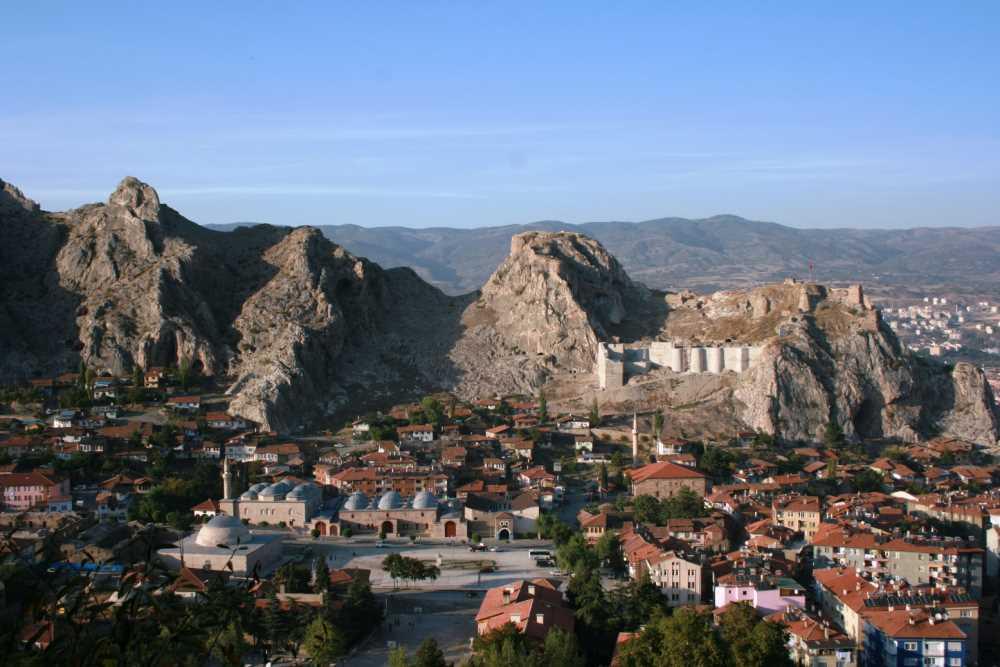
Tokat Kalesi (Kültür Portalı)
What Lies Inside the Fortress?
One of the most exciting features of Tokat Kalesi is its hidden staircase of 362 steps descending underground. In the past, during sieges, people would use these steps to secretly descend and retrieve water.
The fortress walls form a pentagonal structure and are surrounded by a total of 28 towers designed for defense. Additionally, on the southwest side of the fortress, there is a mysterious burial chamber carved into ancient rocks from very early times.
Famous Guests and the “Çardak-ı Bedevi”
During the Ottoman period, the dungeons within the fortress became so notorious that they were known as “Çardak-ı Bedevi,” meaning the “Savage Pavilion.” These dungeons once held many famous figures.
One of the most intriguing “guests” in history was Prince Vlad III of Wallachia, better known as Dracula. Vlad, along with his brother, was held under surveillance in this fortress for a period during his childhood before being sent to Edirne for his education.
A Journey Through Time
Tokat Kalesi was first captured by the Turks in 1074 when Danişmend Melik Ahmed Gazi took control of it. This event marked the beginning of a new and highly significant era in the fortress’s history.