

Tomb of Seyyid Burhaneddin
Seyyid Burhânüddîn Hüseyn Muhakkık-ı Tirmizî was born in 1166 in the city of Tirmiz, in what is now Uzbekistan. His lineage traced back to Hz. Hüseyin, which is why he was called “Seyyid.” He received an excellent education at a young age. He later became a student of Bahâeddin Veled, the father of Mevlânâ, and assisted in Mevlânâ’s education while he was still a child. Years later, he served as a spiritual and scholarly guide to Mevlânâ on both the path of knowledge and Sufism.
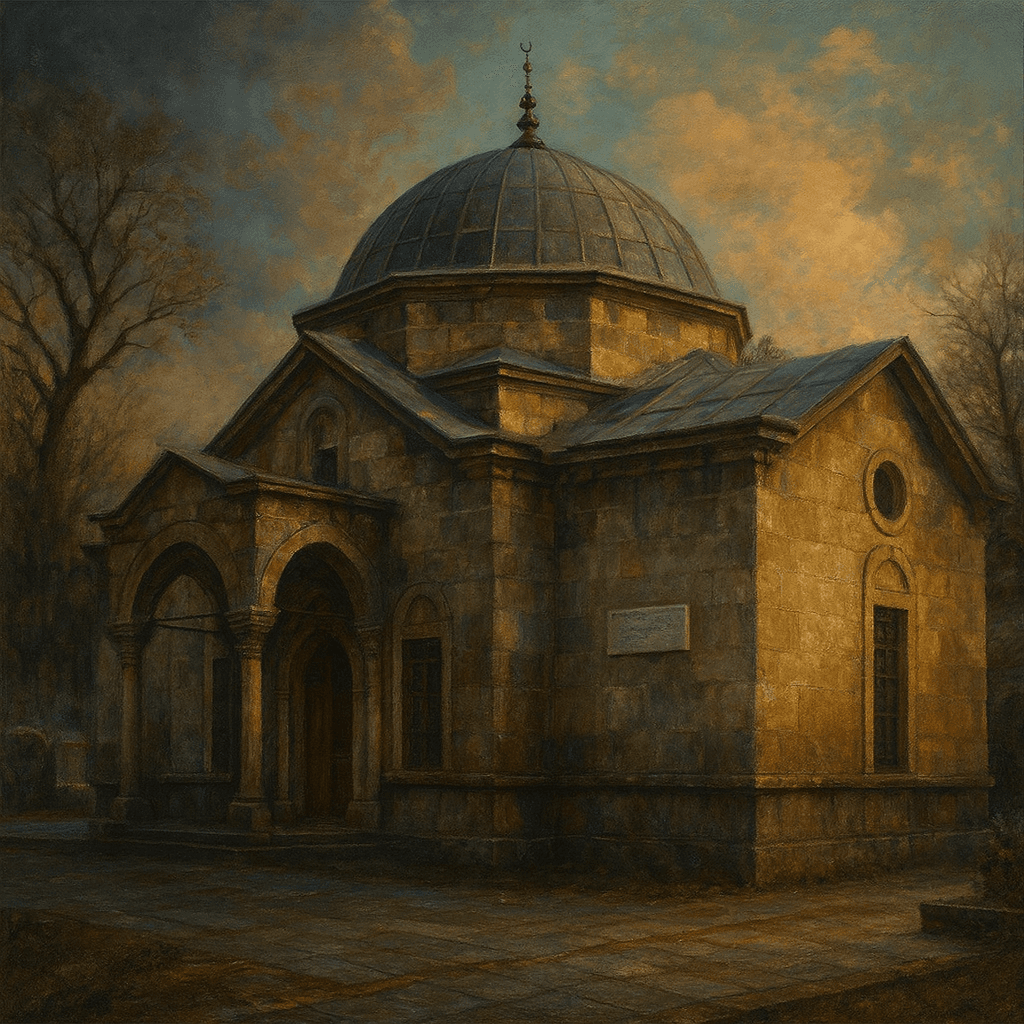
(Generated by Artificial Intelligence)
Years in Kayseri
After teaching Mevlânâ, Seyyid Burhaneddin settled in Kayseri, where he lived for nine years. During this time, he witnessed the Mongol invasions that affected Kayseri. He died in Kayseri in 1241 (according to some sources, 1244).
Features of the Tomb
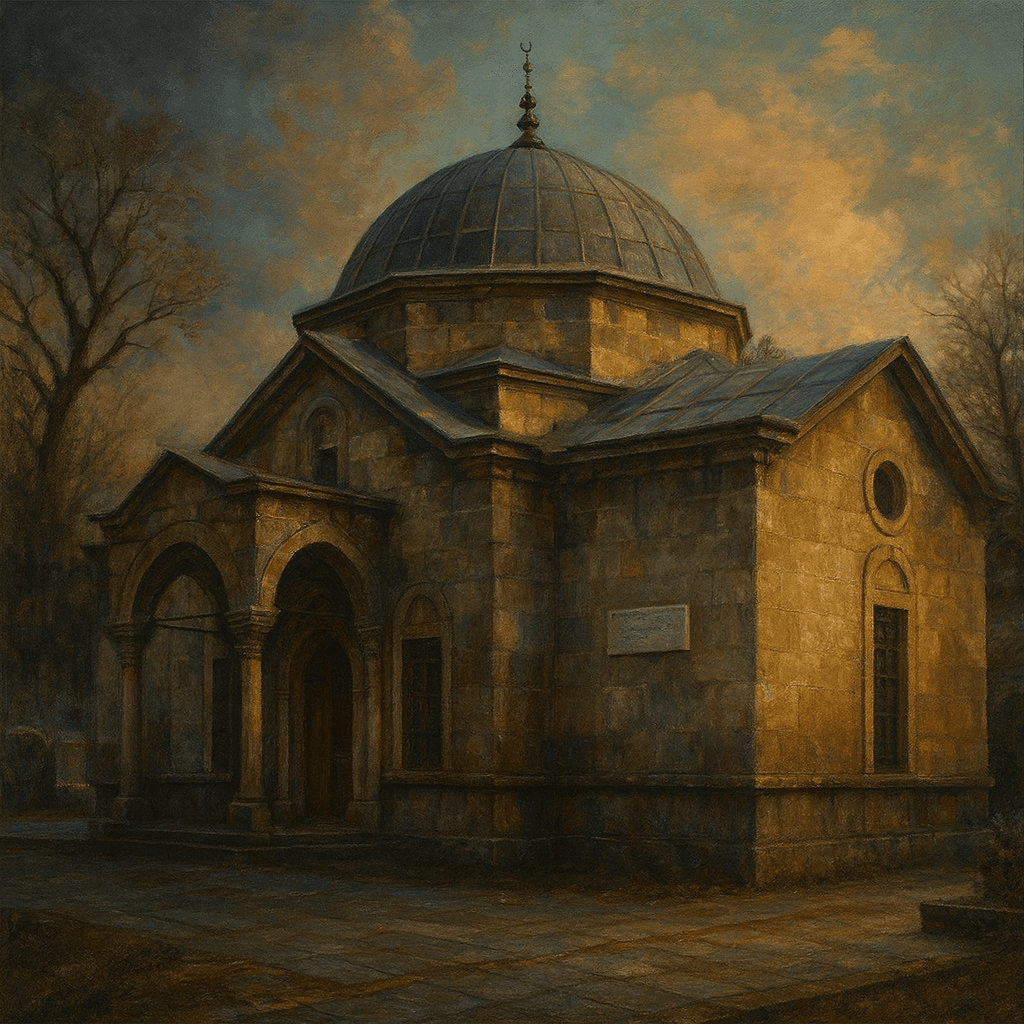
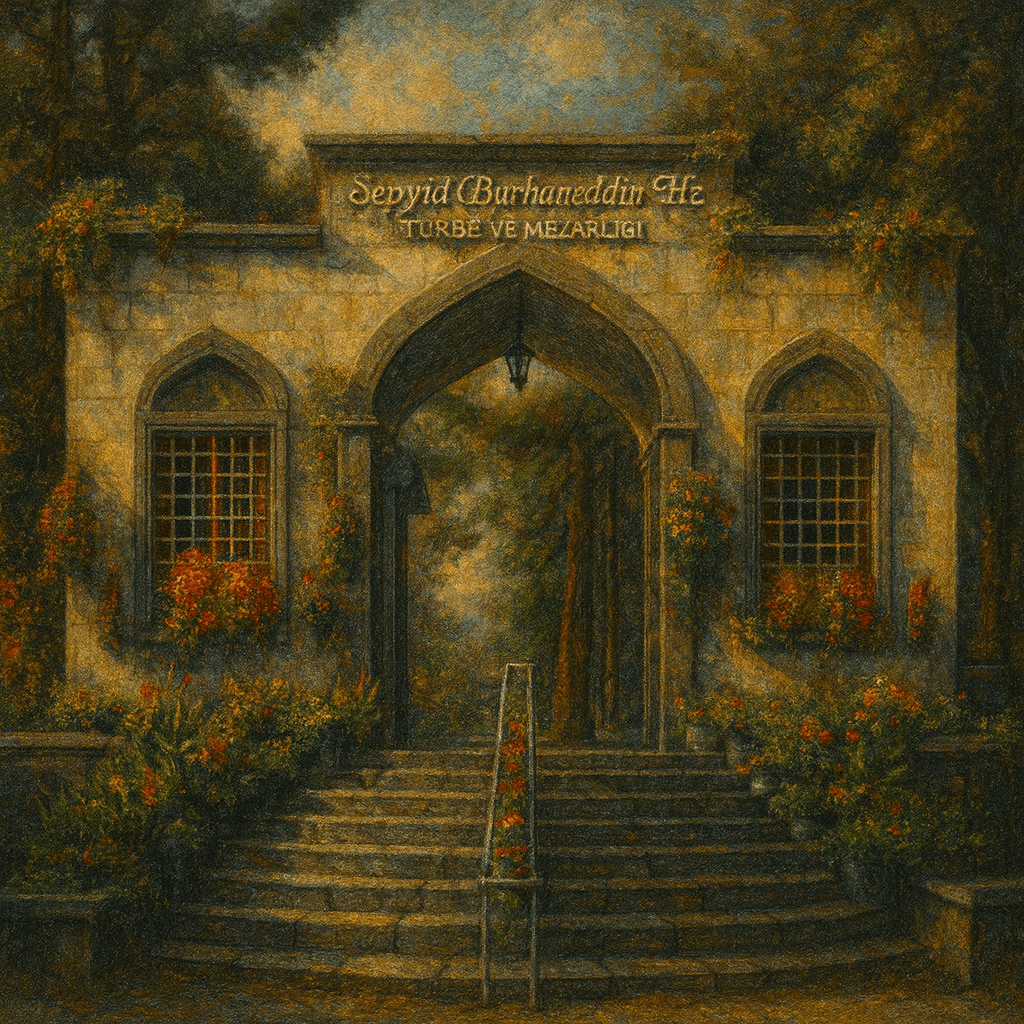
The grave of Seyyid Burhaneddin remained merely a simple burial site for many years. In 1892, during the reign of II. Abdülhamid, with the support of Kayseri Mutasarrıf Mehmet Nazım Paşa and Ankara Vali Abidin Paşa, a tomb was constructed. The tomb has a square plan, is built of cut stone, and is covered by a dome. Architecturally, it reflects the Seljuk style. The tomb is located within the Seyyid Burhaneddin Cemetery in the Melikgazi district of Kayseri.
(Generated by Artificial Intelligence)
Contents of the Tomb
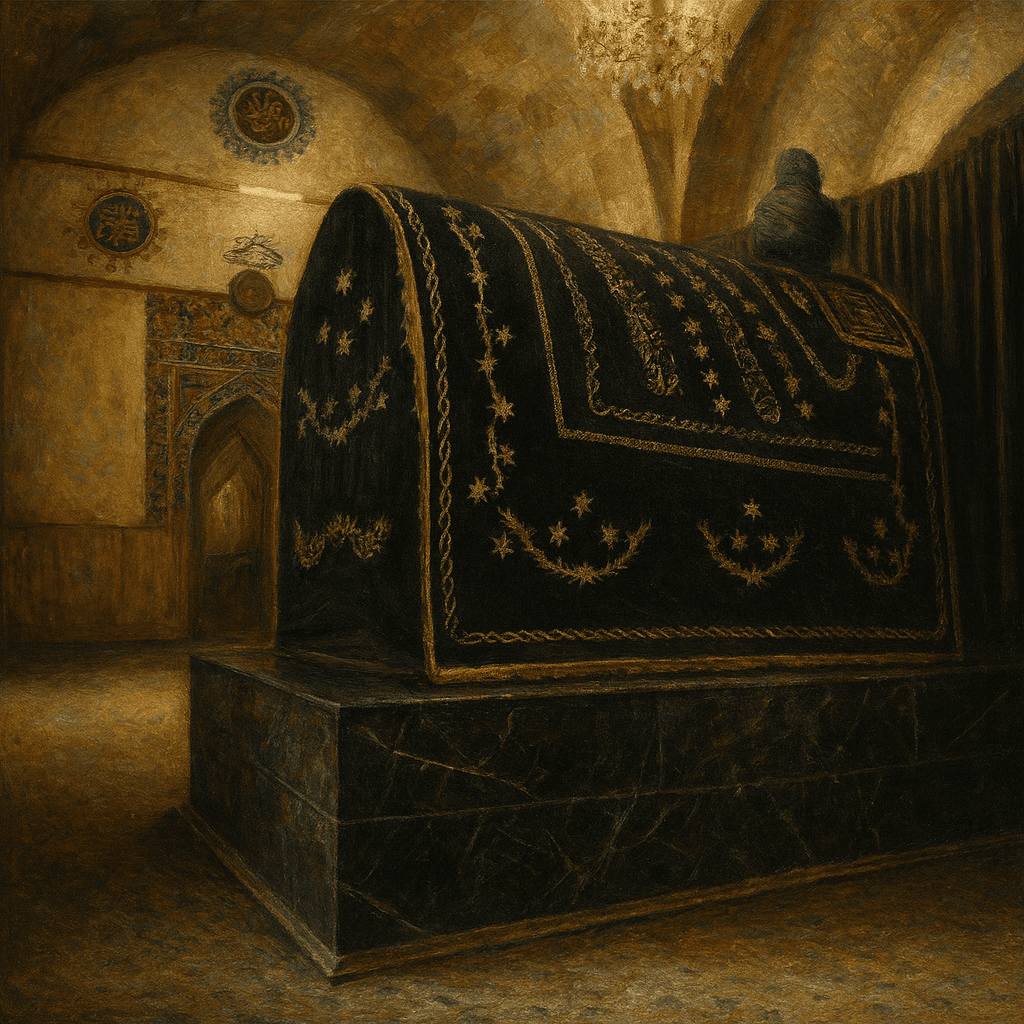
Beneath the dome of the tomb lies the sarcophagus of Seyyid Burhaneddin. At the head of the sarcophagus is inscribed a poem by Ahmed Remzi Dede, a Mevlevi sheikh, titled “Âyine-i Seyyid-i Sırdân.” The tomb also contains the grave of Seyyid Zeynelabidin, a grandson of the Prophet, who died in 1414. In the entrance area are tombstones belonging to the Kayseri Mevlevi Order.
Current Status
The tomb has been protected by the Kayseri Museum Directorate since 1981. Due to its association with Mevlânâ, it is one of the most visited sites in Kayseri.
(Generated by Artificial Intelligence)