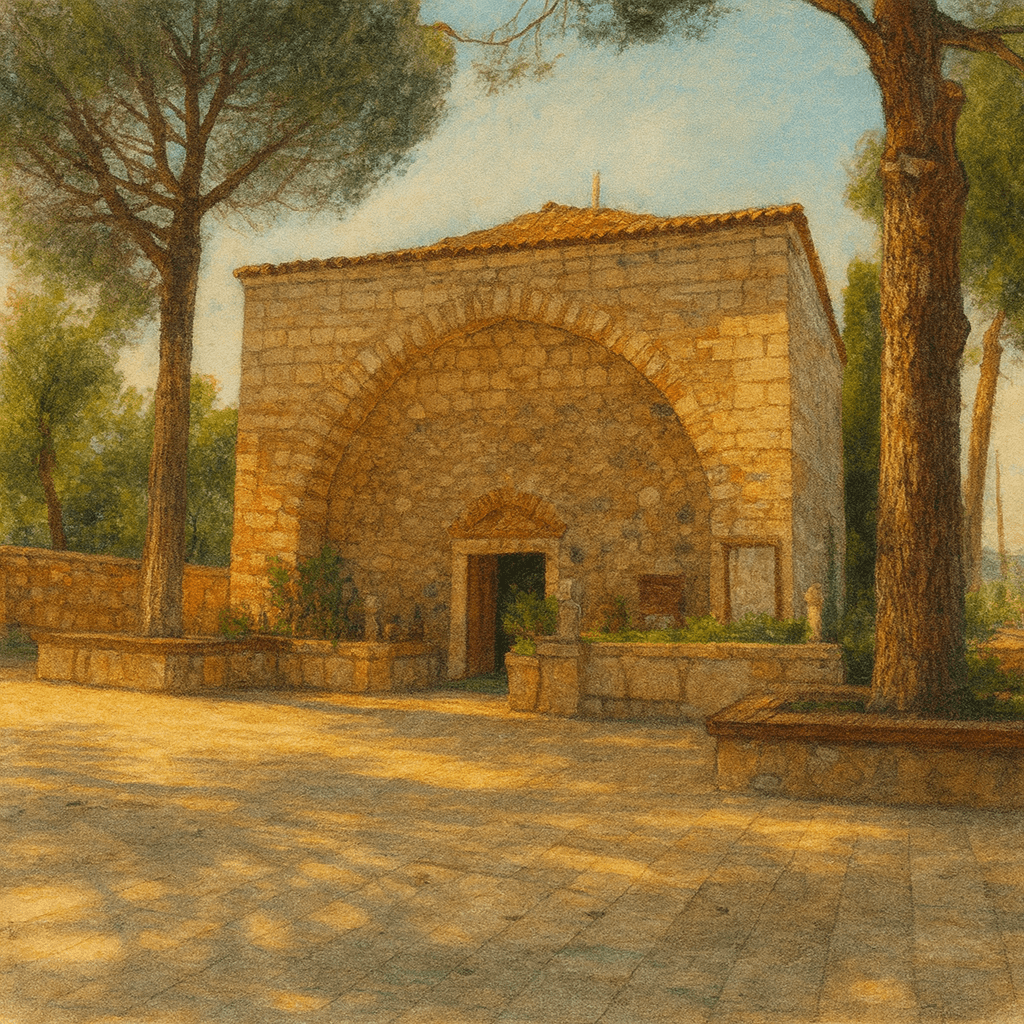




Tomb of Yunus Emre and Tapduk Emre
Emre Village in the Kula district of Manisa is home to the tombs of Yunus Emre, one of the most prominent figures in Turkish culture and Sufi tradition, and his master Tapduk Emre. The tombs in this village are not merely religious pilgrimage sites but also living memorials of the Turkish language, literature and history of thought.
(Generated by Artificial Intelligence)
Who is Tapduk Emre?
Tapduk Emre was a major Sufi mystic who lived in Anatolia during the 13th century. According to tradition, he was one of the successors of Haji Bektash Veli and a follower of the path of Khoja Ahmet Yesevi. His teachings emphasize love for humanity, patience and spiritual maturity.
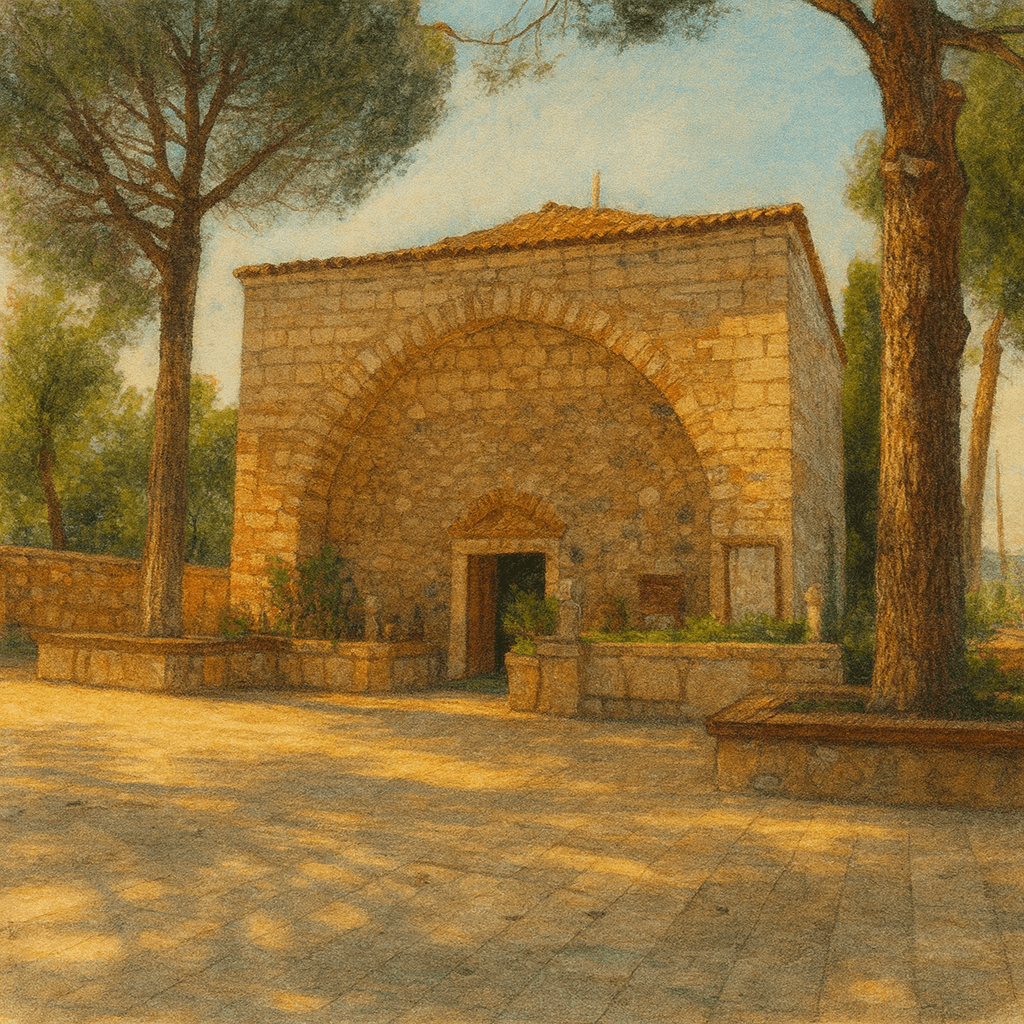
His tomb exhibits architectural similarities to the Saruhan Bey Tomb in Manisa. Inside, there are a total of ten sarcophagi, one of which is believed to be the central grave of Tapduk Emre, while the others are said to belong to his family members. This tomb stands as a witness to the development of Sufism in Anatolia.
(Generated by Artificial Intelligence)
Who is Yunus Emre?
Yunus Emre (1240–1320) is one of the most renowned poets of Turkish literature. He expressed Sufi philosophy in simple, accessible Turkish, and his poetry explores themes of human love, humility and tolerance.
The lines from his poetry, “Let us love and be loved; the world belongs to no one,” have secured an important place not only in literary history but also in the collective memory of society.
A contemporary of Mevlana Jalaluddin Rumi, Yunus Emre served for many years in the dervish lodge of his master Tapduk Emre, maturing through patience and hardship into a great sage.
What Is Found in the Tombs?
- Yunus Emre’s Grave: Directly in front of the tomb, there is a grave bearing a axe symbol, which is believed to belong to Yunus Emre.
- Tapduk Emre’s Tomb: Inside, there are graves said to belong to Tapduk Emre and his family members.
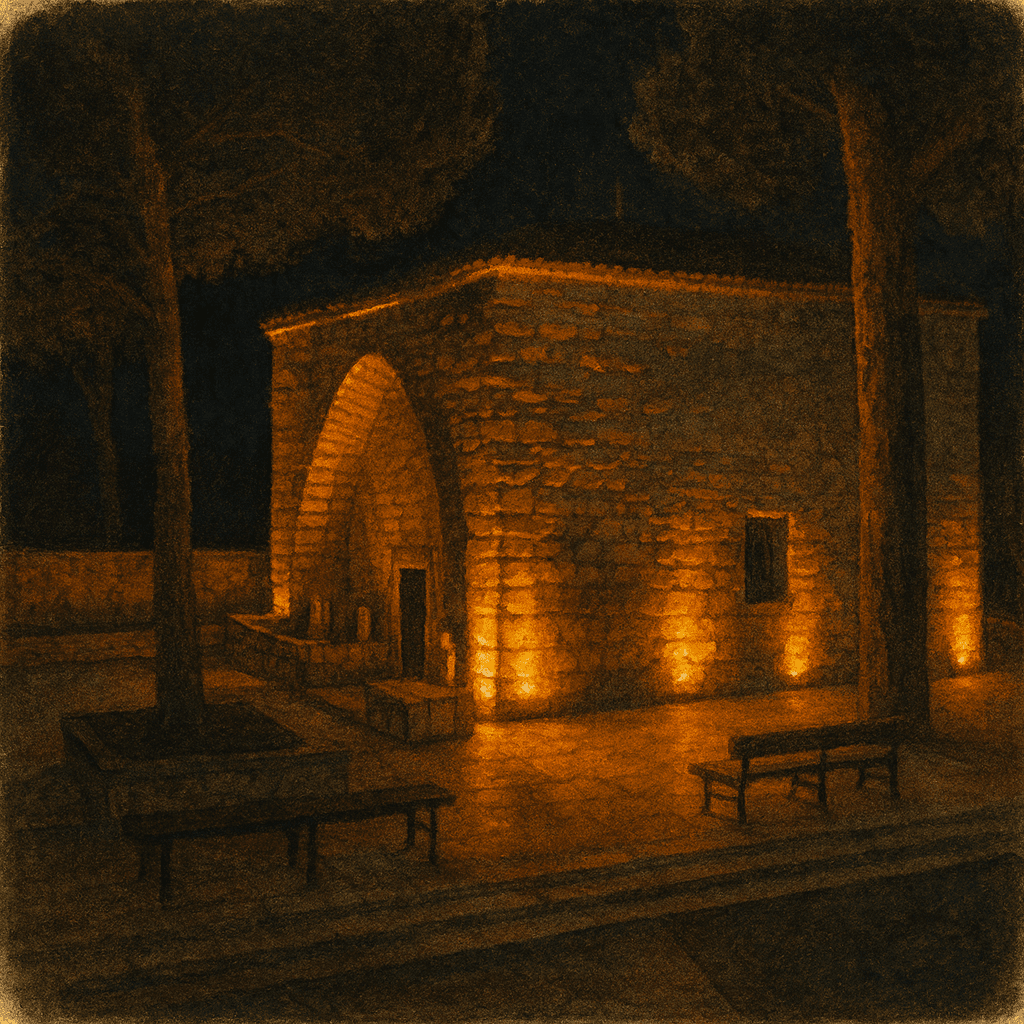
- Historical Structures: Surrounding the tomb, a fountain dated to 954 AH (1547 CE), the remains of two bathhouses and foundations of a madrasa have survived to the present day. These structures indicate that the village was once an important cultural center.

(Generated by Artificial Intelligence)
The Significance of the Tombs
These tombs hold great importance both for faith-based tourism and cultural tourism. Every year, thousands of visitors come to pay homage and draw spiritual inspiration from the legacy of Yunus Emre and Tapduk Emre.
Visitors do not merely view the tombs; they also experience the Anatolian culture of love, peace and brotherhood.