




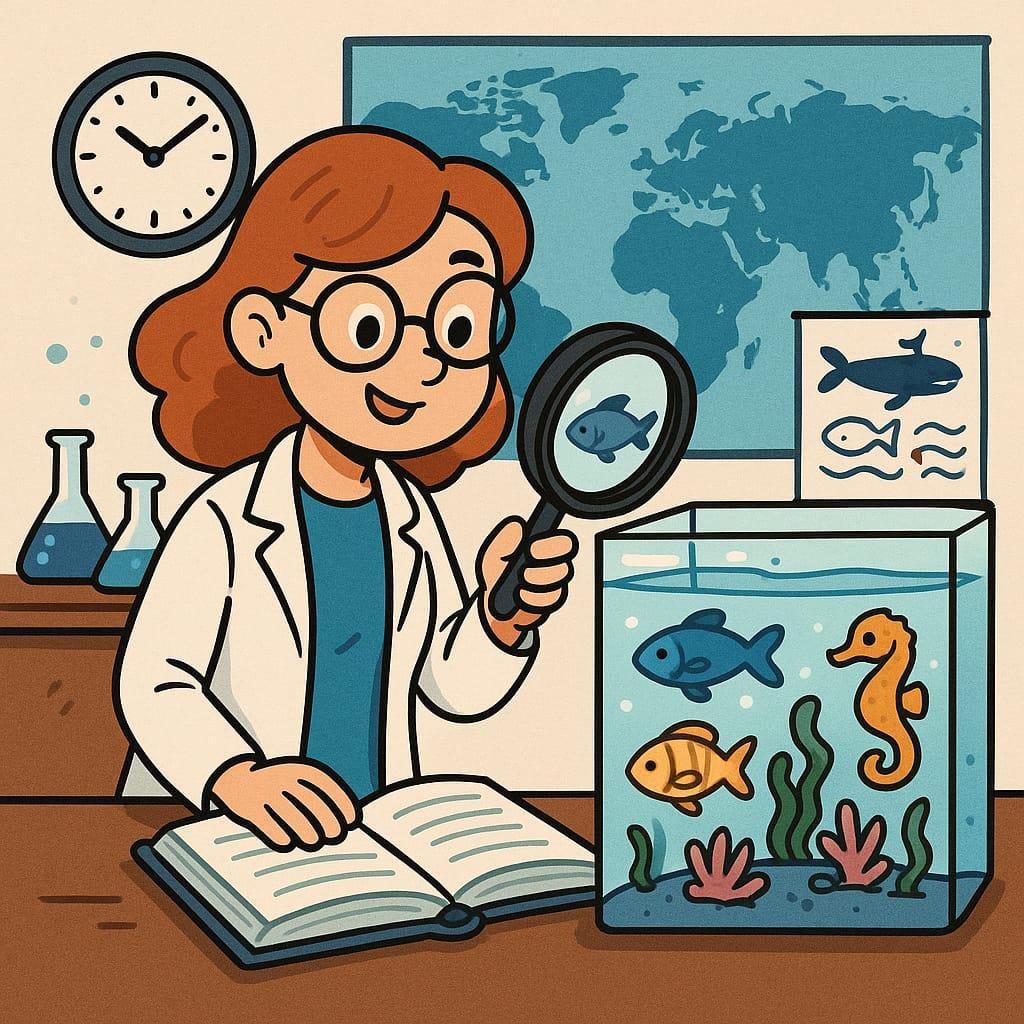
What Does an Ocean Scientist Do?
An ocean scientist is a researcher who studies oceans and seas. These individuals investigate the properties of seawater, the organisms living within it, water movements, and the seafloor.

(Generated by Artificial Intelligence.)
Why Are Oceans Studied?
A large portion of the Earth’s surface is covered by oceans. Therefore, understanding oceans helps us comprehend how the Earth functions. Oceans also influence weather patterns.
What Topics Do They Study?
Ocean scientists typically work in four distinct fields:
-Physical Oceanography: Waves, currents, and water temperature.
-Chemical Oceanography: Salinity, oxygen levels, and pollution.
-Biological Oceanography: The lives of marine organisms.
-Geological Oceanography: The structure of the seafloor, volcanoes, and earthquakes.
How Do They Conduct Research?
They usually conduct their research aboard research vessels. These ships are equipped with specialized instruments, robots, and underwater cameras. Sometimes they also use submarines or satellites.
Where Do They Work?
Ocean scientists can work in laboratories, universities, research centers, and in the field—directly at sea. They may need to undertake long voyages at sea.
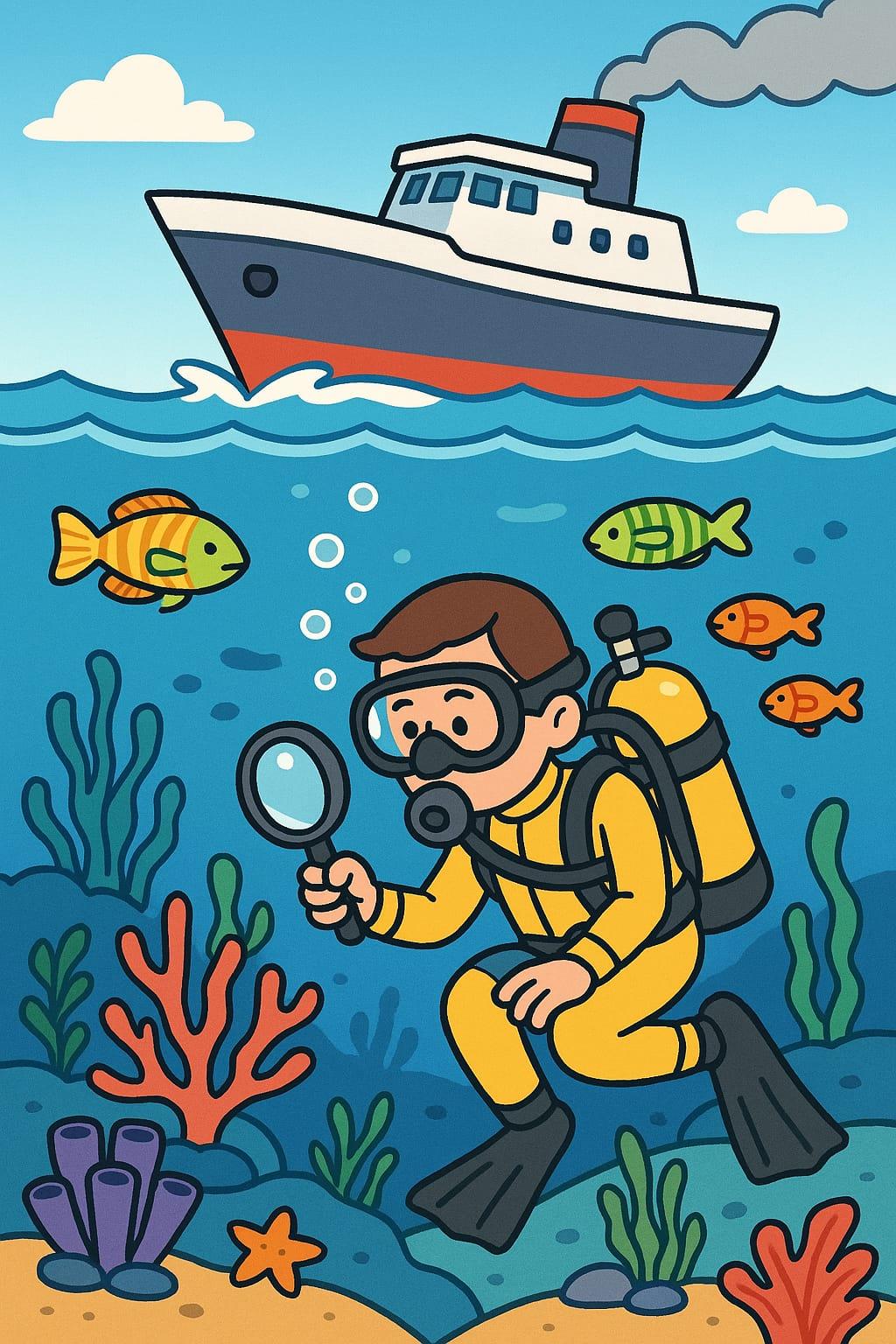
(Generated by Artificial Intelligence.)
What Are the Applications of Their Work?
-They help us understand climate change and global warming.
-They attempt to predict natural events such as tsunamis and storms.
-They contribute to the conservation of marine life.
-They assist in monitoring clean water sources.
What Are the Challenges of the Profession?
Spending long periods at sea, working in stormy weather, or collecting samples from deep oceans can be difficult. However, for those who love nature and are patient, this profession can be highly rewarding.
How Does One Become an Ocean Scientist?
To pursue this career, one must have an interest in the natural sciences. Typically, university education in biology, chemistry, geology, or environmental science is pursued, followed by specialization in ocean sciences.