



What is a Full Moon?
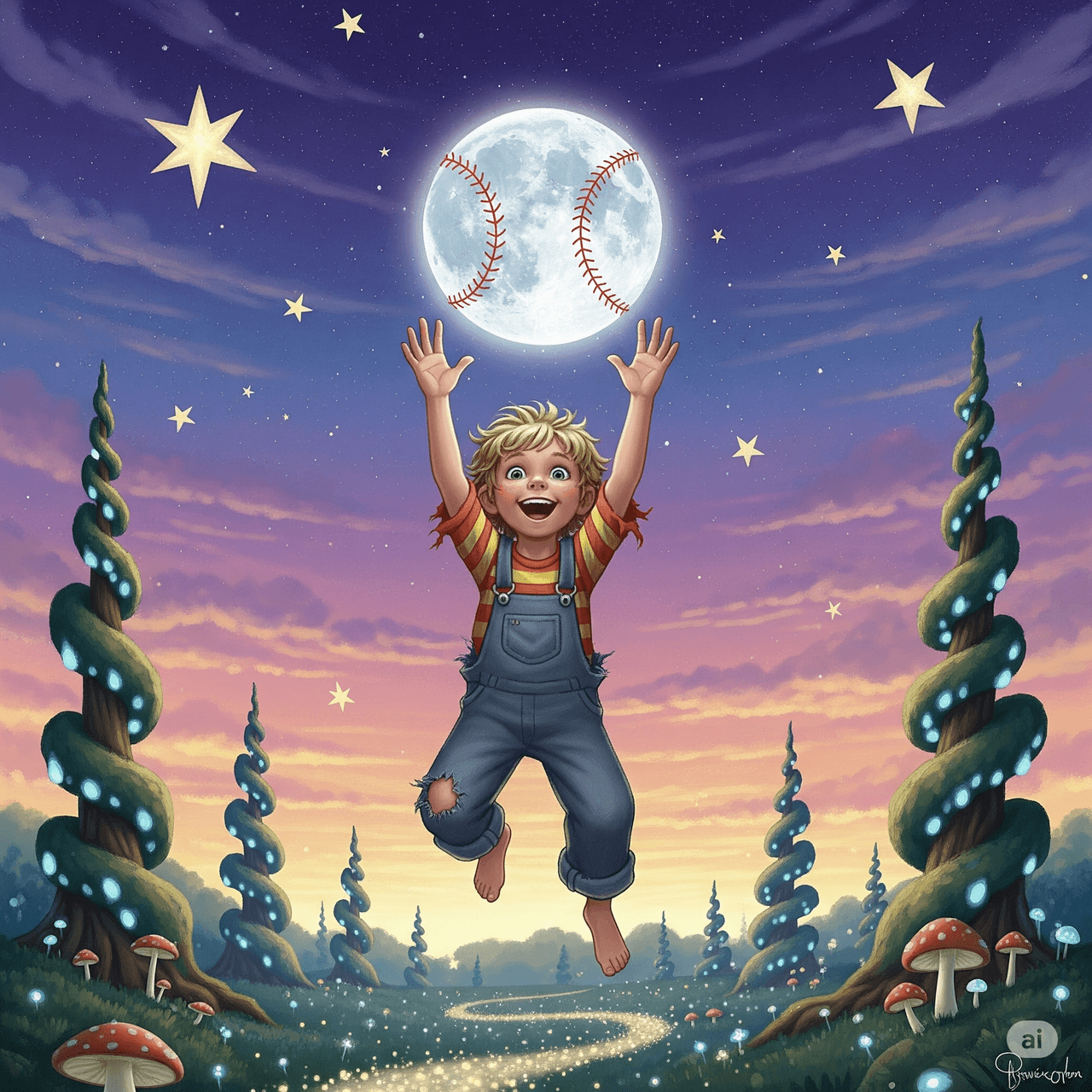
Full moon is one of the phases of the Moon. During this phase, the Moon appears completely round and bright when viewed from Earth. This is because sunlight strikes the Moon’s front surface directly, and we see this light without obstruction. A full moon occurs once each month and is typically the brightest object in the night sky.

(Generated by Artificial Intelligence.)
How Does a Full Moon Form?
As the Moon orbits Earth, it receives sunlight from different angles, causing its appearance to change slightly each night. A full moon occurs when the Moon is positioned directly opposite the Sun relative to Earth. At this point, the entire surface of the Moon is illuminated, allowing us to see it fully. This phase occurs at the midpoint of the lunar cycle and is an essential part of the “lunar phases.”
Do Full Moons Have Special Names?
Yes, each full moon is given a unique name based on the time of year in which it occurs. These names vary according to seasons, natural events, or traditional customs.
For example:
-Full moon in January: Wolf Moon. (Associated with the howling of wolves during winter)
-Full moon in June: Strawberry Moon. (Coincides with the strawberry harvesting season)
-Full moon in September: Harvest Moon. (Occurs near the end of the agricultural season)
These names served as one of the ways for societies using the lunar calendar to measure time.
When Is the Full Moon Visible?
Full moons typically appear once per month. However, in rare cases, two full moons can occur within a single month. The second of these is called a “Blue Moon.” The exact dates of full moons can be calculated in advance by astronomers, making it possible to know when they will occur throughout the year. This information is included in astronomical calendars.

(Generated by Artificial Intelligence.)
Why Is the Full Moon Important?
Full moons are important not only for observing the night sky but also for understanding natural phenomena and calendars. Living beings closely connected to nature, such as farmers, fishermen, and migratory birds, often base their behaviors on celestial events like the full moon. Additionally, in many cultures, full moon nights hold significance through festivals, celebrations, or traditional activities.