




What Is a Talismanic Shirt?
What Is a Talismanic Shirt?
A talismanic shirt was a special garment worn by Ottoman sultans, members of the imperial family, and high-ranking state officials. Verses from the Quran, prayers, geometric symbols, and unique motifs were embroidered onto these shirts. People believed that wearing such garments protected the individual from evil, danger, and illness.
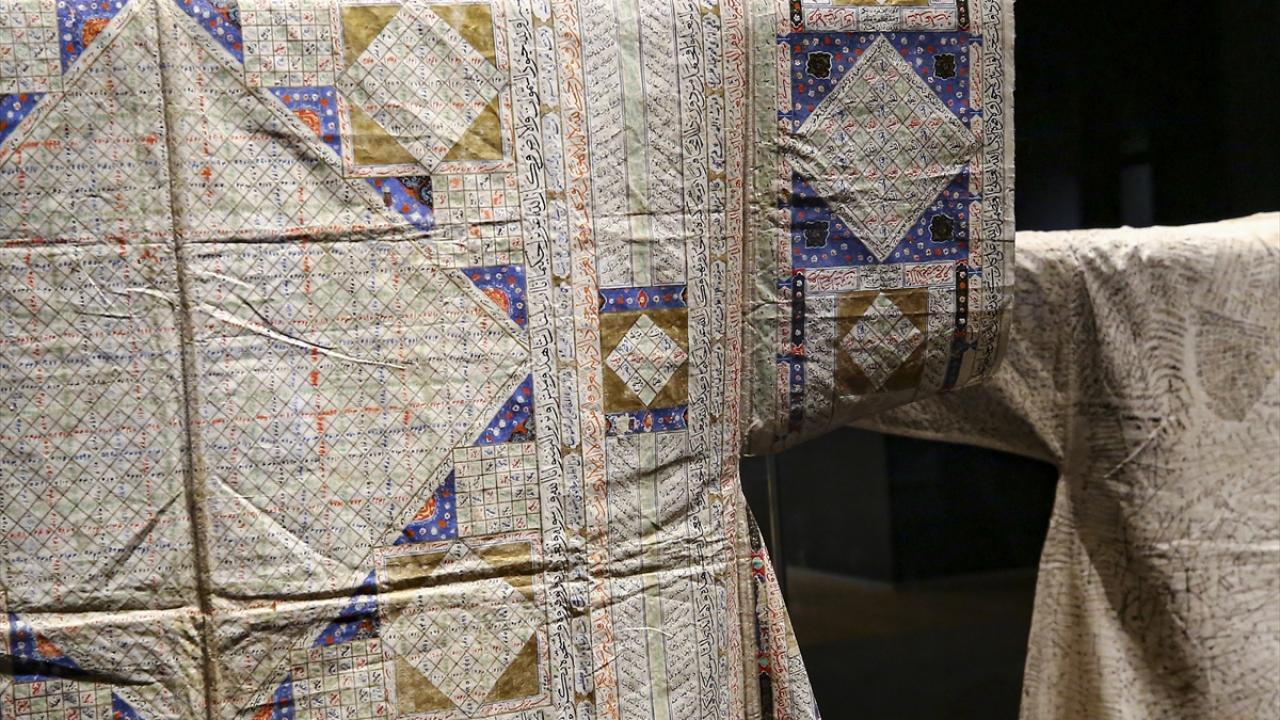
Examples of "Talismanic Shirts". (TRT News)
Where Does It Come From?
The tradition of the talismanic shirt dates back to ancient times and originates from Central Asian Turkic culture. It began to appear during the Seljuk period and was produced in specialized workshops known as Nakkaşhane within Topkapı Sarayı during the Ottoman era.
Sultans wore these shirts before going to war, upon ascending the throne, or on special religious occasions.
How Were They Made?
- Talismanic shirts were sewn from silk, linen, or cotton fabrics.
- Specially trained calligraphers embroidered Quranic verses, prayers, the beautiful names of God (Esmaü’l-Hüsna), and various symbols onto the shirts.
- It was believed that the talismans embroidered over the abdomen protected the heart, while the inscriptions on the back guarded against enemy attacks.
- These inscriptions and symbols were placed with careful calculation and precise arrangement.
Why Were They Worn?
Talismanic shirts were more than just clothing. People believed that these garments:
- Protected them from evil,
- Safeguarded them from the evil eye and illness,
- Brought courage in battle,
- Improved the course of their lives.
Like a Work of Art
Talismanic shirts were not only protective but also regarded as works of art.
- The inscriptions were written in exquisite calligraphic styles.
- They were adorned with gold leaf decoration (tezhip) and small, colorful patterns.
- Each shirt was unique and one-of-a-kind.

(Generated by artificial intelligence)
Where Are They Today?
Today, the most famous examples of talismanic shirts are displayed at the Topkapı Sarayı Museum. These garments are vital for understanding Ottoman history and culture. Experts preserve them using specialized methods and study the inscriptions they bear.