



What is an observatory?
An observatory is a scientific research center established to study celestial bodies and phenomena. Observatories are equipped with telescopes, cameras, spectrographs, and other observational instruments. These facilities help us understand the structure of the universe, stars, planets, galaxies, and cosmic events through observations in the fields of astronomy and space science.
Observatories are located in areas far from city lights, at high altitudes, and with clean atmospheric conditions to enable clearer and more accurate observations.

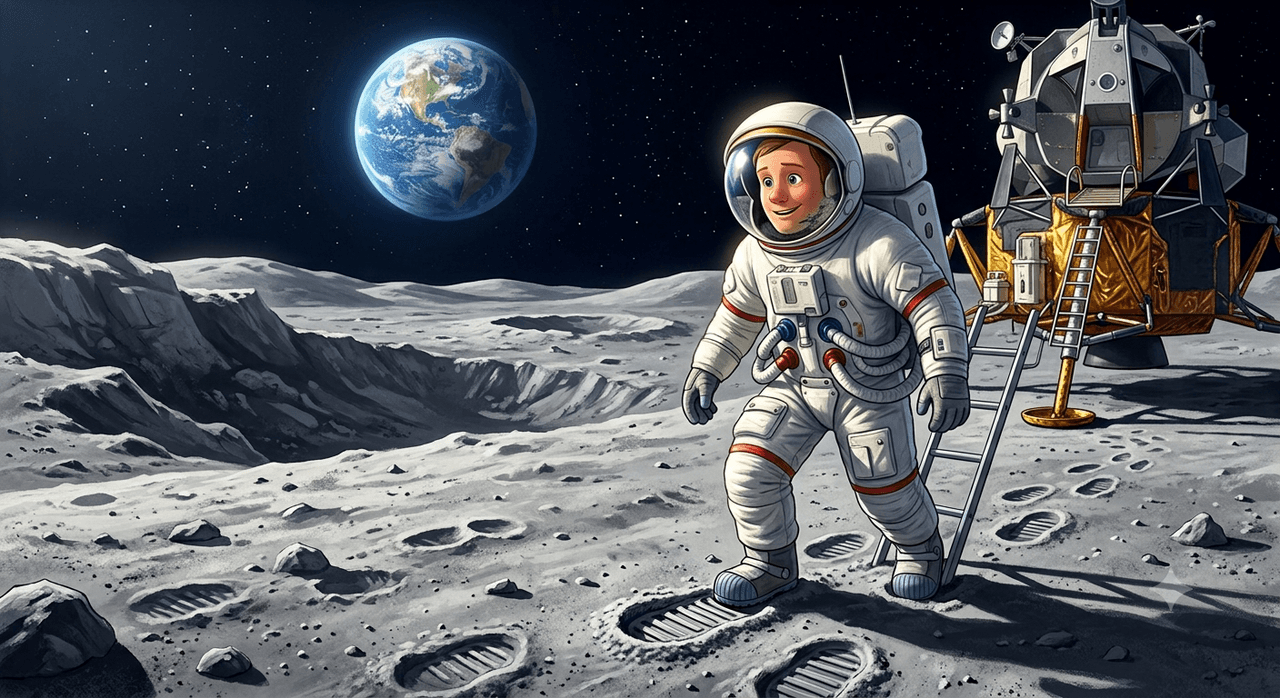
(Generated by Artificial Intelligence.)
🌌 Features of an Observatory
- Located in areas with clear atmospheric conditions and minimal light pollution.
- Equipped with high-resolution telescopes and sensitive detection instruments.
- Observations can be conducted both at night and during the day.
- Data is used for scientific research, education, and public outreach.
🪐 Research Conducted at Observatories
- Observations of stars, planets, comets, and galaxies
- Study of solar flares and sunspots
- Mapping the surface of the Moon
- Deep space research (supernova, black hole, and quasar observations)
- Observations of radio waves and other parts of the electromagnetic spectrum
🎯 Famous Observatories
- Mauna Kea Observatory (Hawaii, USA): Hosts some of the highest-altitude telescopes in the world.
- Paranal Observatory (Chile): Belongs to the European Southern Observatory and houses powerful optical telescopes.
- Green Bank Observatory (USA): Renowned for radio astronomy research.
- Atacama Large Millimeter Array – ALMA (Chile): A radio telescope array designed to study the early formation stages of the universe.
- TÜBİTAK National Observatory (Antalya, Türkiye): The largest optical observatory in Türkiye.
👩🚀 Importance of Observatories
- Helps us understand the structure and formation of the universe.
- Assists in detecting asteroids approaching Earth.
- Contributes to the advancement of space technologies.
- Increases public interest in the science of astronomy.

(Generated by Artificial Intelligence.)
You can observe stars and constellations at observatories!✨