



What is the heart for?
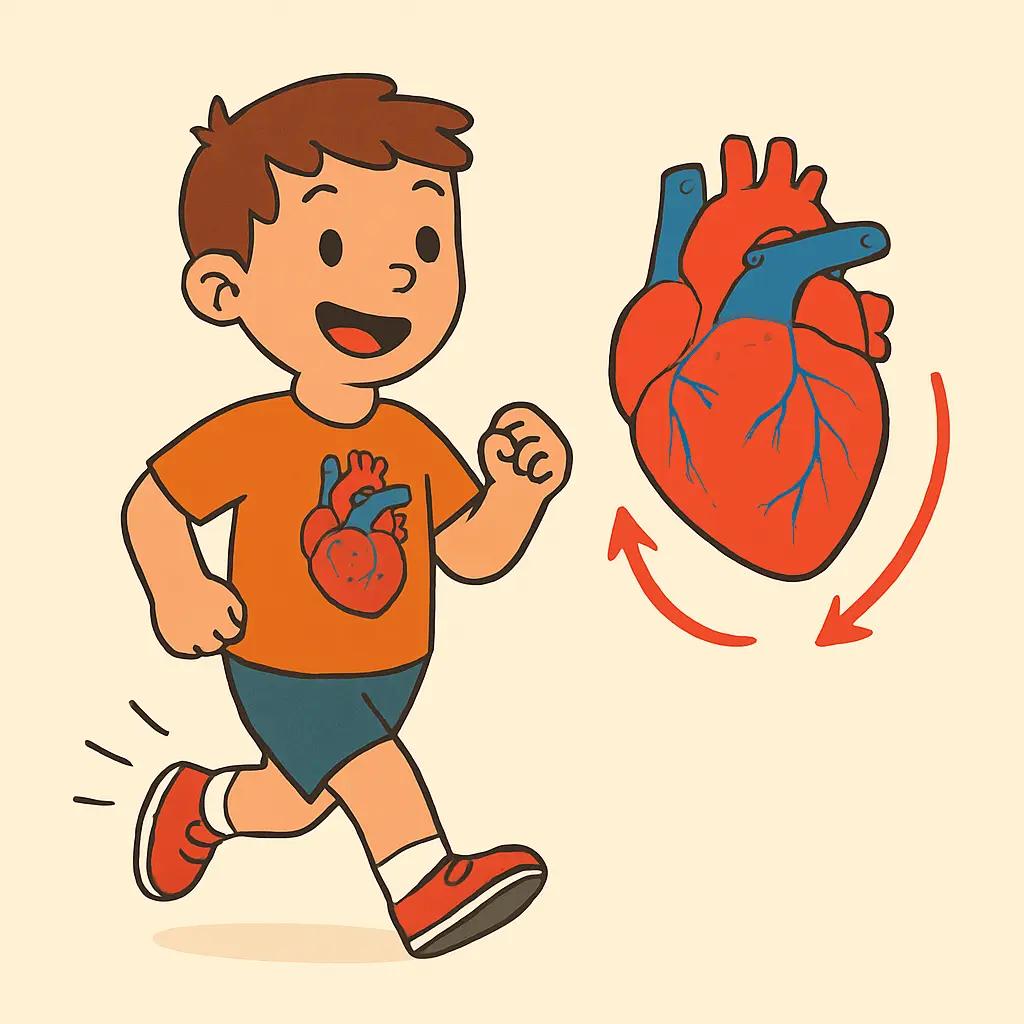
The heart is a powerful organ that pumps blood throughout our body. Thanks to the heart, blood is delivered to all tissues; cells receive oxygen (the gas that enables the body to produce energy) and nutrients (substances obtained from food necessary for the body). Waste products are also removed from the body. The heart also helps maintain the body’s temperature (the heat that enables energy production and healthy functioning).

(Generated by Artificial Intelligence.)
Pumping Blood
The heart muscles continuously contract and relax to circulate blood throughout the body. This ensures that all cells receive the nutrients and oxygen they need. Heartbeats (the rhythmic movements caused by the heart’s contraction and relaxation) regulate this circulation.
Transporting Oxygen
The heart carries oxygen-rich blood, received from the lungs (the gas exchange organs), to all parts of the body. Oxygen enables cells to produce energy and ensures proper organ function.
Transporting Nutrients
Blood delivers nutrients obtained from food (substances necessary for cell growth and energy production) to cells. Cells use these substances to repair themselves and grow.
Removing Waste
The heart collects carbon dioxide (the waste gas produced during energy metabolism) and other waste products. These wastes are removed from the body through the lungs (organs responsible for gas exchange) and kidneys (organs that cleanse the body).
Regulating Body Temperature
The heart helps maintain balanced body temperature by distributing blood evenly throughout the body. This ensures that organs function properly.
Nourishing and Protecting Cells
Blood nourishes and protects cells. White blood cells (cells that defend the body against diseases) fight against microbes. Wounds heal through blood clotting (the solidification of blood to seal injuries).

(Generated by Artificial Intelligence.)
Structure of the Heart
Atria (Atriums)
These are the upper chambers of the heart. They receive blood from the body and send it to the lower chambers (ventricles). The right atrium (the upper chamber that receives blood from the body) takes in deoxygenated blood, while the left atrium (the upper chamber that receives blood from the lungs) takes in oxygenated blood.
Ventricles
These are the lower chambers of the heart. They pump blood to the body and lungs. The right ventricle (the lower chamber that sends blood to the lungs) carries deoxygenated blood, while the left ventricle (the lower chamber that sends blood to the body) carries oxygenated blood.
Valves
Valves ensure that blood flows in one direction and prevent backflow. This allows blood to move correctly between chambers and maintains orderly circulation.
Myocardium (Heart Muscle)
This is the muscular layer responsible for the heart’s pumping action. Its contraction and relaxation enable blood to be transported throughout the body.
Pericardium (Heart Sac)
This is a thin membrane surrounding the heart. It protects the heart and supports its movements.
Sinoatrial Node (Pacemaker)
This specialized tissue determines the heart’s rhythm. It controls heartbeats and ensures regular pumping.
Coronary Arteries
These are small arteries that supply blood to the heart’s own tissue. They meet the heart muscle’s needs for oxygen and nutrients.

(Generated by Artificial Intelligence.)
The Circulatory System and Blood Vessels
Arteries
Arteries carry blood away from the heart to the body. They deliver blood to organs and tissues.
Veins
Veins carry blood back to the heart from the body. They return deoxygenated blood to the heart.
Capillaries
Capillaries facilitate the exchange of substances between blood and cells. Oxygen and nutrients pass into cells while waste products enter the bloodstream.
Pulmonary Circulation (Lung Circulation)
Blood passes through the lungs to absorb oxygen and release carbon dioxide. This process cleanses and oxygenates the blood.
Systemic Circulation
Oxygenated blood is delivered to all organs and tissues of the body, meeting the needs of cells.
The Cardiac Cycle
Systole
Systole is the phase during which the ventricles (the lower chambers that pump blood to the body and lungs) contract to eject blood. Blood moves into the arteries (vessels that carry blood from the heart to organs).
Diastole
Diastole is the phase during which the heart muscles relax and the chambers fill with blood. This phase allows the heart to replenish its energy for the next beat.
Heartbeat
A heartbeat is the rhythmic movement caused by the heart’s contraction (systole) and relaxation (diastole). It ensures timely delivery of blood to the body.

(Generated by Artificial Intelligence.)
Functions of Blood
Transport
Blood transports oxygen, nutrients, and waste products. This enables cells to produce energy and remain healthy.
Protection
White blood cells (cells that defend the body against diseases) fight microbes. Clotting (the solidification of blood to seal wounds) promotes wound healing.
Regulation
Blood maintains body temperature and fluid balance. This ensures that organs function properly.