



What is the Ramsar Convention?
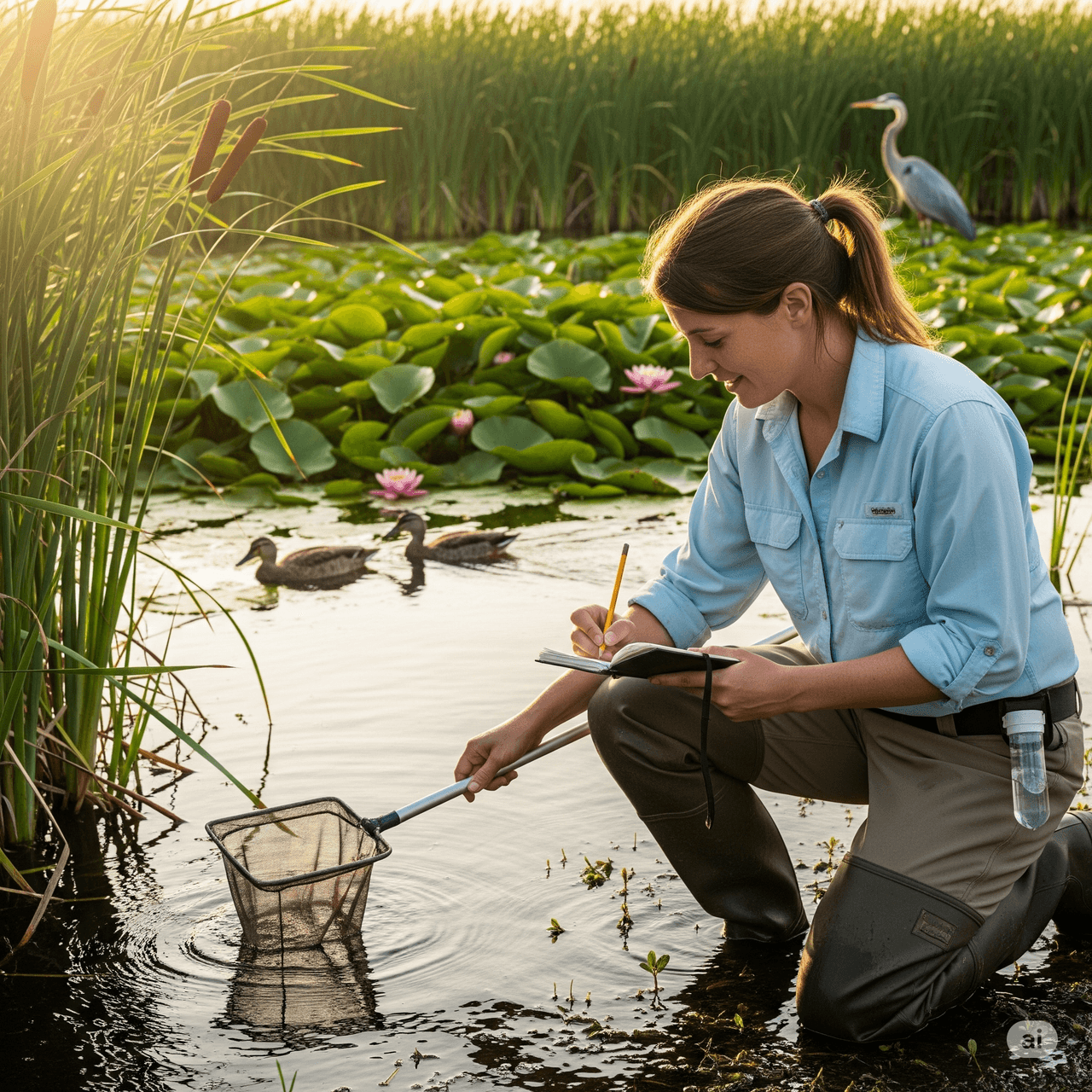
The Ramsar Convention is an international agreement aimed at the conservation and sustainable use of wetlands. Through this convention, natural habitats such as lakes, rivers, marshes, and coastal areas are protected for the benefit of animals, plants, and humans alike. The convention ensures that people can benefit from these areas while preserving natural ecosystems and establishing environmentally compatible management plans.

(Generated by Artificial Intelligence.)
History
The convention was signed in 1971 in the city of Ramsar, Iran. Since then, numerous countries around the world have become parties to the agreement and begun protecting their wetlands. This accord demonstrates that natural resources can be conserved through international cooperation and encourages the exchange of knowledge and experience among nations.
Objectives
The primary objective of the Ramsar Convention is to maintain the ecological balance of wetlands, sustain biodiversity, and ensure their use in harmony with human needs. This approach benefits both nature and people in the long term. In addition, the convention supports the use of wetlands for education, research, and ecotourism.
Importance of Wetlands
Wetlands serve as habitats for birds, fish, amphibians, and many other species. They also help purify water, prevent floods, and play a role in climate regulation. These areas are regarded as natural treasures and are vital for the healthy functioning of ecosystems.
Conservation Methods
Countries identify wetlands and designate them as protected areas. Activities that could harm the environment in these zones are restricted, and long-term conservation programs are implemented. This ensures a balance between preserving natural life and meeting human usage needs, thereby securing the sustainability of these areas.
Sustainable Use
The convention promotes not only the protection of wetlands but also their sustainable use. Activities such as agriculture, fishing, and tourism are planned in ways that do not damage the environment. In this manner, people meet their needs without disrupting ecosystem balance, allowing future generations to benefit from these areas as well.
Education and Awareness
The Ramsar Convention aims to help people understand the value of wetlands and foster respect for nature. Awareness campaigns are conducted in schools and communities so that both children and adults learn the importance of conservation. These educational efforts enhance awareness of living in harmony with nature and strengthen societal responsibility for environmental protection.
Ecosystem Services
Wetlands support human basic needs such as water, food, and energy. They also provide protection against natural disasters and assist in adapting to climate change. By conserving soil and water, these areas increase the sustainability of ecosystems and maintain ecological balance.