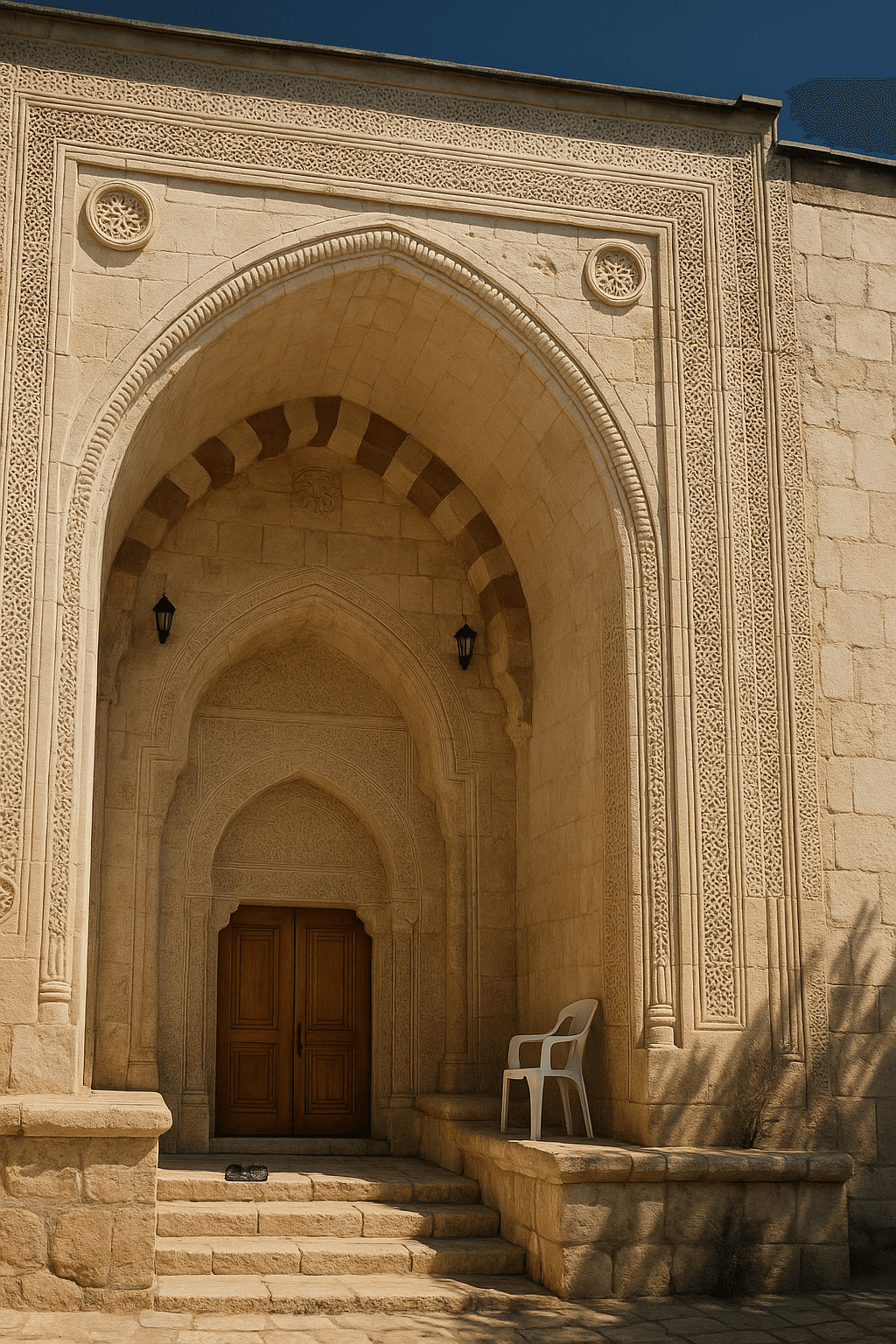


Yelmaniye Camii (Medrese Camii)
Yelmaniye Camii is located on a high hill in the Tepebaşı Neighborhood of the Çemişgezek District in Tunceli. This hill was originally chosen both for surveillance of the surrounding area and as a secure place where the community could gather.
History
Yelmaniye Camii was built approximately 600 years ago by Emir Taceddin Yelman bin Keykubat. Initially, it was constructed as a medrese, a school where students received instruction. Over time, as the local population began using the building for worship, it was converted into a cami. For this reason, it was long known as the "Medrese Camii."
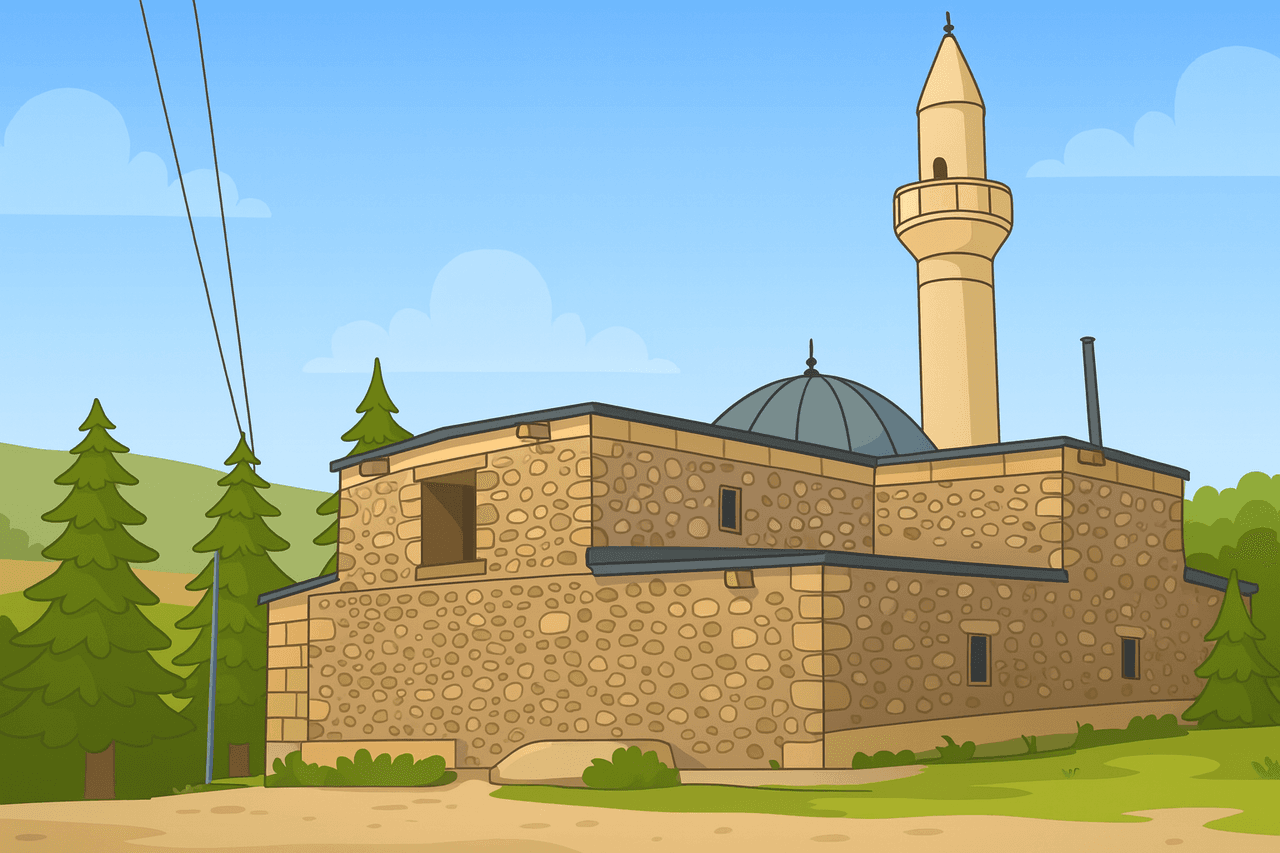
Culture PortalGenerated from inspiration drawn from the photograph.
Architectural Features
The mosque is constructed entirely of cut stone, with each stone carefully shaped by master craftsmen. On the southern side of the building are classrooms and the prayer space, while on the northern side are student rooms, a kitchen, and a communal dining hall. This arrangement made the structure suitable for both learning and daily living.
Entrance Portal and Decorations
One of the most beautiful elements of the mosque is its crowns portal. The surrounding area is adorned with stone carvings. Octagonal columns and geometric patterns reflect the artistic sensibilities of the period. These decorations give the structure both strength and aesthetic appeal.

Culture PortalGenerated from inspiration drawn from the photograph.
Interior
The mosque is single-domed and has no minaret. The area around the mihrab is decorated with green tiles. The minbar is constructed in a very simple style. This modest yet elegant appearance reflects the artistic values of the era: a minimalist architecture that prioritized function over ornamentation.
Architectural Period
Yelmaniye Camii resembles structures built during the transition between the Seljuk and Ottoman periods. It combines Seljuk stone craftsmanship with Ottoman spatial organization. As a building that unites education and worship, it is one of the multi-functional structures found across Anatolia.
Current Condition
The structure is currently preserved by the Tunceli Provincial Directorate of Culture and Tourism. The entrance section and main stone walls remain intact. The surrounding ancient ruins suggest that a small külliye, or complex of buildings, once existed here.