




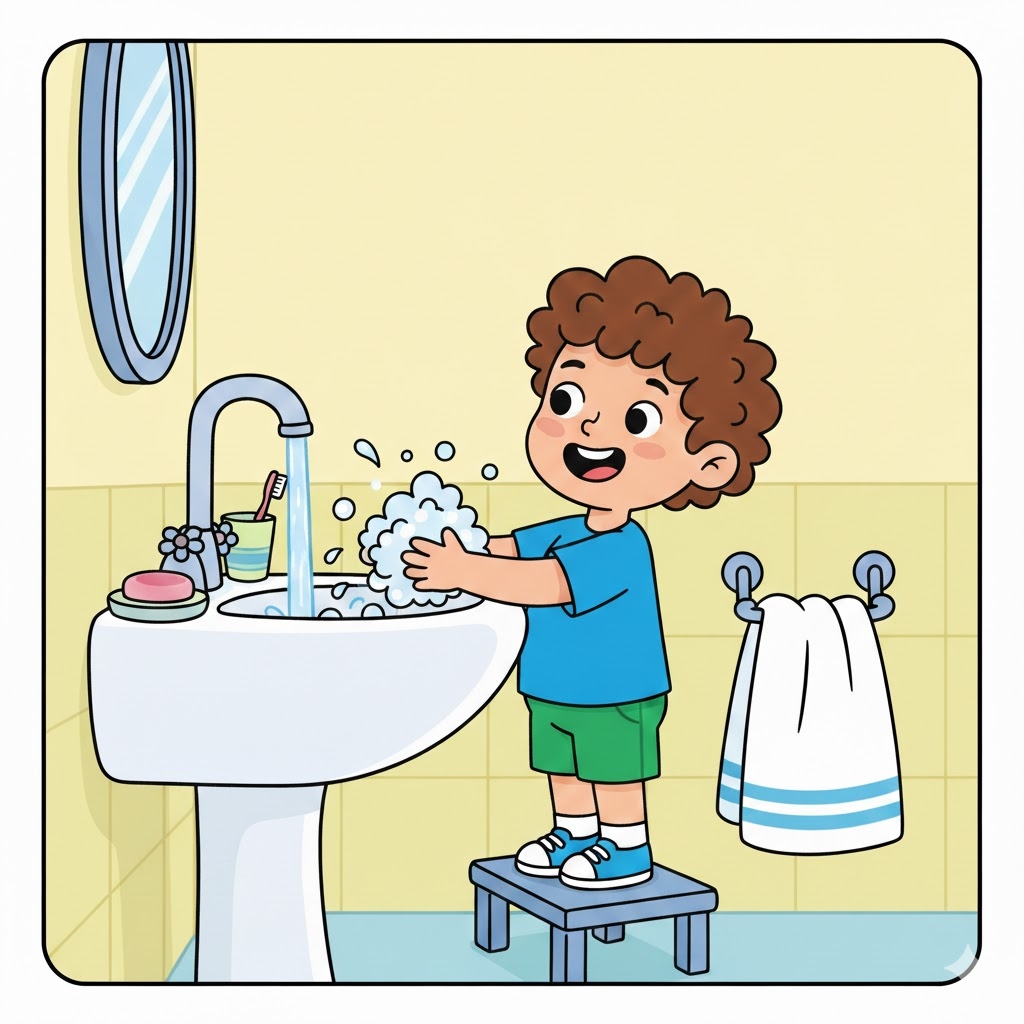
World Hygiene Day
World Hygiene Day is an international day of awareness observed annually to protect public health and emphasize the vital importance of hygienic habits'. It was first celebrated on 16 January 2011 in Türkiye, implemented with the support of the European Hygiene Council and the Turkish Pediatric Association. The primary objective of this day is to break the chain of transmission of diseases through simple hygiene measures adopted in daily life by individuals, infectious diseases'.

This image was generated by Artificial Intelligence.
The Importance of Hygiene for Health
Hygiene encompasses all cleanliness measures taken to protect against environments harmful to health. In today’s world, the importance of hygiene is supported by the following striking data:
- Bacterial Load: Individuals come into contact with approximately 250 million harmful bacteria through their hands each day.
- Transmission Route: 80% of infectious diseases enter the body through the hands.
- Preventable Deaths: Adherence to basic hygiene rules—such as handwashing and access to clean water—could prevent 1.4 million preventable deaths annually worldwide.

This image was generated by Artificial Intelligence.
Basic Hygiene Rules for Children
Instilling a sense of hygiene in children at an early age protects both their own health and public health. The main rules to be followed in daily life are as follows:

This image was generated by Artificial Intelligence.
1. Hand Hygiene and Correct Washing Technique
- Duration and Method: Hands must be washed for at least 20–30 seconds with water and soap, thoroughly rubbing all areas including between fingers, under nails, and around the wrists.
- Critical Times: Handwashing must be repeated after using the toilet, before preparing food or caring for a child, before eating, upon returning home from outside, and whenever hands are visibly dirty.
- Use of Disinfectants: In situations where water and soap are unavailable, disinfectants may be used temporarily; however, they do not replace washing with water and soap.

This image was generated by Artificial Intelligence.
2. Food Hygiene
- Washing: Vegetables and fruits intended for consumption must be thoroughly washed with safe drinking and usage water to remove disease-causing agents.
- Cooking and Storage: Cooking food at appropriate temperatures enhances hygiene; cooked and uncooked foods must be stored separately in sealed containers to prevent cross-contamination.

This image was generated by Artificial Intelligence.
3. Personal and Environmental Cleanliness
- Body Care: Bathing daily is recommended, attention should be paid to hair cleanliness, and nails should be trimmed regularly.
- Contact and Respiratory Hygiene: Touching the eyes, nose, or mouth with unwashed hands should be avoided; when sneezing or coughing, the inside of the elbow—not the hands—should be used to cover the mouth and nose.
The Benefits of Hygiene Becoming a Habit
When cleanliness practices become part of daily life, they provide the following benefits:
- First Line of Defense: Regular handwashing is the body’s most powerful defense mechanism against infectious diseases.
- Outbreak Control: Simple hygiene measures play a critical role in halting the spread of global outbreaks such as COVID-19.
- Food Safety: Proper food hygiene minimizes the risk of common foodborne illnesses and infections in the community.

This image was generated by Artificial Intelligence.
Dangers Arising from Failure to Follow Hygiene Rules
Insufficient hygiene leads to a wide range of problems, from individual discomfort to global health crises:
- Spread of Infectious Diseases: Contaminated water and inadequate sanitation cause life-threatening illnesses such as dysentery, cholera, typhoid, and hepatitis A.
- Severe Infections: Poor hygiene conditions and weakened immunity are key factors in the transmission of diseases such as tuberculosis and leprosy.
- Food Hazards: Breakdowns in hygiene at any point from production to consumption transform food into hidden threats to our health.
In line with this knowledge, awareness campaigns are being conducted among children through slogans such as "Wash Your Hands, Don’t Wash Away Your Health!" and educational games to promote hygiene education.