


An airfoil is the two-dimensional cross-section of objects that move through a fluid, such as wings, propellers, rudders, or sails. These sections are designed to provide the optimal lift-to-drag ratio for vehicles moving through fluids like air or water. Typically curved or flat, and often resembling a teardrop shape, airfoils function by creating a pressure difference on their two opposing surfaces based on Bernoulli’s principle. This pressure difference generates aerodynamic forces, enabling airplanes to stay aloft.
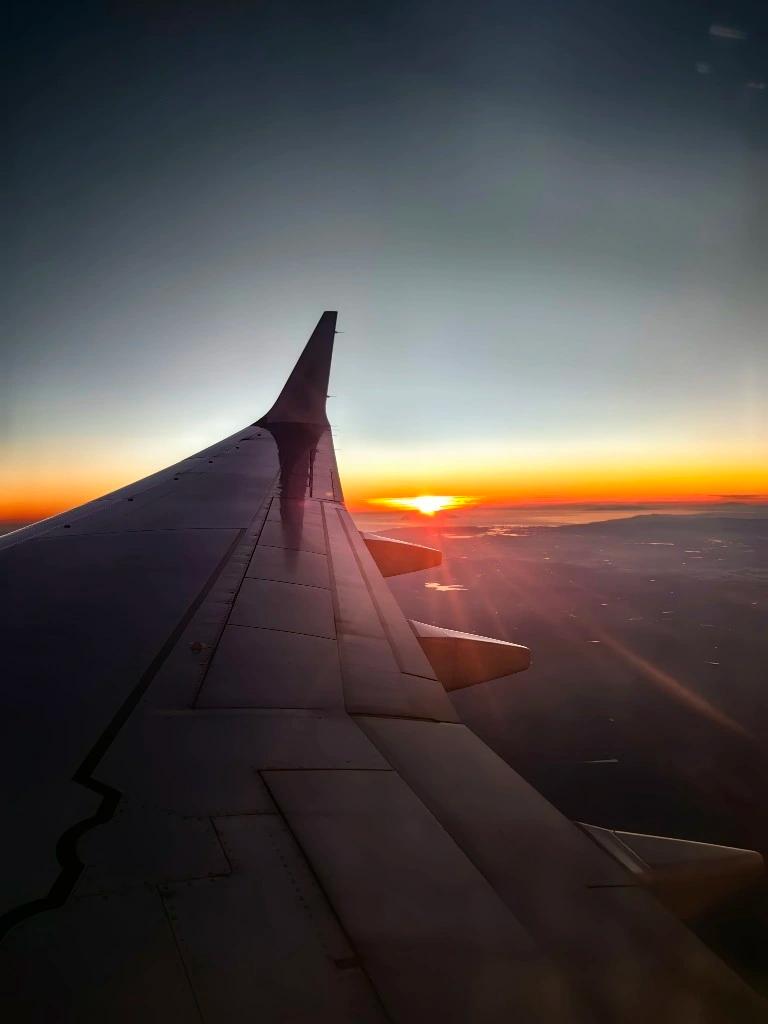
Airplane Wing
The geometry of an airfoil determines how air flows around it, which is one of the most critical factors in enabling flight. An airfoil has two primary surfaces:
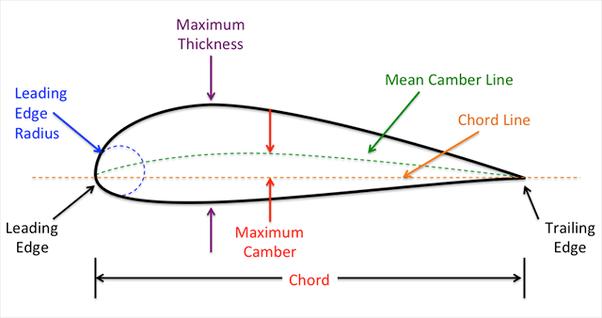
Airfoil concepts
Airfoils are optimized based on flight speed, the purpose of the aircraft, and its mission profile. For instance:
In a typical airfoil, the curved upper surface creates a longer path for airflow than the lower surface. This causes air on the upper surface to move faster, reducing pressure compared to the lower surface. This pressure difference generates aerodynamic lift.
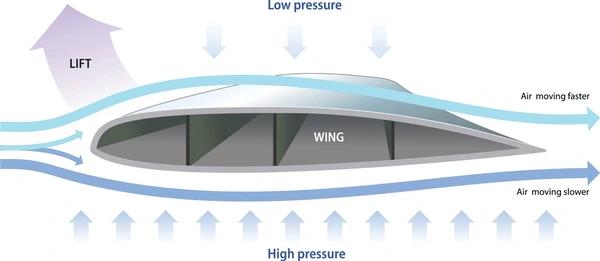
Lift Force Generation
Aerodynamic lift is created as a result of the interaction between the airfoil and the incoming airflow. This force keeps the aircraft airborne and can be explained using two key principles:
The shape of the airfoil causes differences in airflow speed across its surfaces:
This pressure differential produces lift, with the higher pressure underneath pushing the airfoil upward.
The lower surface of the airfoil deflects airflow downward. According to Newton’s third law, this downward force creates an equal and opposite upward reaction, contributing to lift.
Several factors are crucial during an aircraft’s takeoff:
"Kanat Profili (Airfoil) Nedir?" HavaUzay.org. Erişim Tarihi: 25 Ocak 2025. https://www.havauzay.org/kanat-profili-airfoil-nedir.html
"Why Do Airfoils Have Round Leading Edges and Sharp Trailing Edges?" Quora. Erişim Tarihi: 25 Ocak 2025. https://www.quora.com/Why-do-airfoils-have-round-leading-edges-and-sharp-trailing-edges

Henüz Tartışma Girilmemiştir
"Airfoil (English)" maddesi için tartışma başlatın
Key Airfoil Concepts
Bernoulli’s Principle
Newton’s Third Law of Motion
Airfoil Dynamics During Takeoff
Takeoff Process
Bu madde yapay zeka desteği ile üretilmiştir.