


Bu içerik Türkçe olarak yazılmış olup yapay zeka ile otomatik olarak İngilizceye çevrilmiştir.
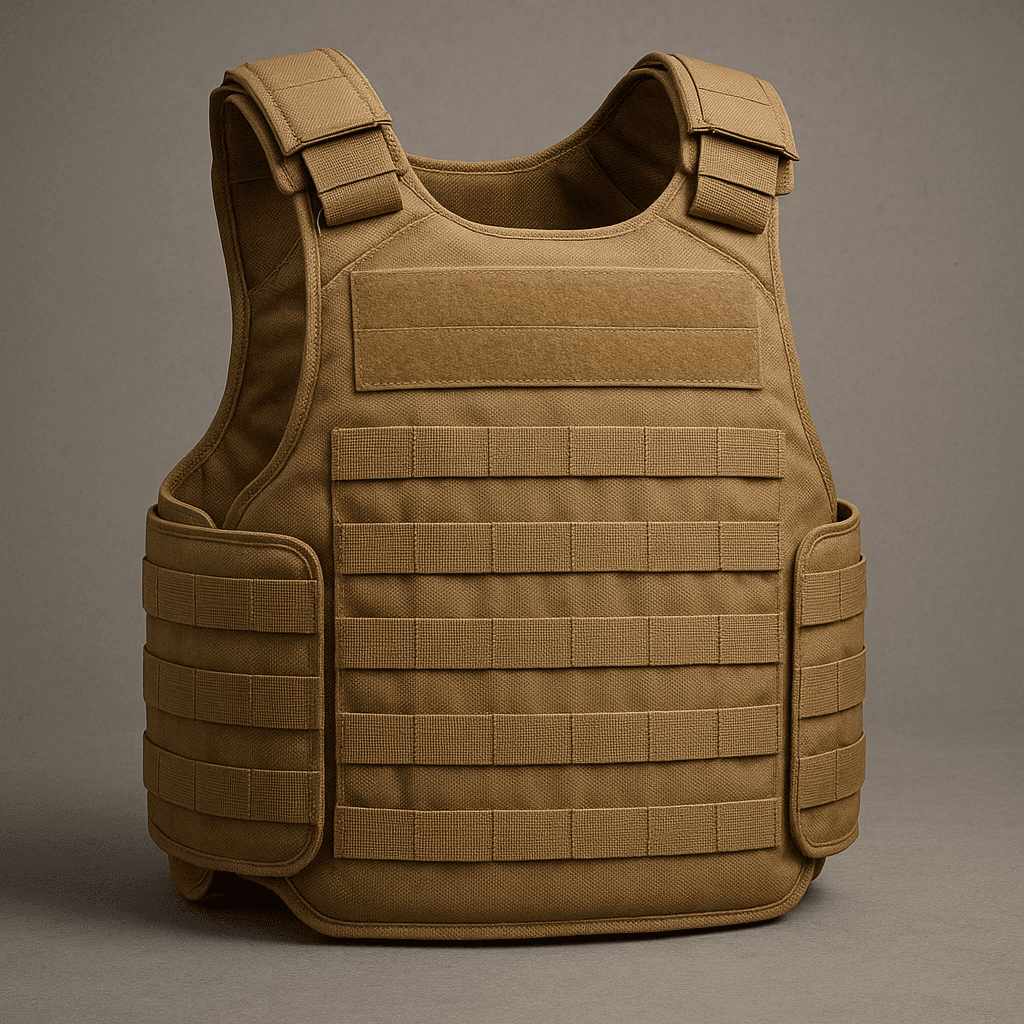
Ballistic Vest
Name(s) | Ballistic Vest | ||||||||
|---|---|---|---|---|---|---|---|---|---|
Type(s) | Personal Armor / Protective Clothing | ||||||||
Application Area(s) | Military personnel war correspondents private security law enforcement forces | ||||||||
Primary Function | Body protection against bullets and shrapnel fragments | ||||||||
Protection Levels | NIJ Level IIA – IV (according to international standards) | ||||||||
Material(s) | Soft Armor: Kevlar alumina + composite supports silicon carbide Hard Armor: Boron carbide Dyneema (UHMWPE) Twaron | ||||||||
Test Standards | NIJ 0101.06, TS 11164, ballistic performance tests | ||||||||
A ballistic vest is a personal armor system designed to protect the human body from high-velocity bullets and shrapnel fragments. It prevents penetration into the body by dispersing or stopping the kinetic energy of the impacting projectile. Modern designs enable use without compromising mobility, making them indispensable for military operations, law enforcement duties, and civilian activities in high-risk areas.

The earliest armor examples were made from animal hides in prehistoric times, later evolving into metal plates. However, the widespread adoption of firearms accelerated the search for lighter and more effective materials. In the 19th century, bulletproof vests made from silk were tested but showed limited effectiveness. Major advancements in modern ballistic vests occurred in the 1970s with the development of Kevlar, an aramid fiber. From the 1990s onward, materials such as ultra-high-molecular-weight polyethylene (UHMWPE) offered even lighter and stronger alternatives.
Ballistic vests consist of multiple layers:

Example of ballistic vest inner layer (AA)
According to the NIJ 0101.06 standard, vests are tested across six distinct levels, each defining the caliber and velocity of threats the vest can withstand:

Visual of ballistic vest test result (AA)
When a high-velocity bullet strikes the fabric surface, its energy is transferred to the fibers, generating shock waves. Part of this energy is absorbed through tensile stress in the fibers, while other portions are dissipated through deformation or fracture. Primary fibers directly interact with the projectile, while secondary fibers indirectly contribute to energy dispersion. Structural optimization ensures the energy spreads over a wider area, reducing the shock impact on internal organs.

Ballistic vest testing phase (
Ballistic vests are widely used by military units, police forces, special security personnel, and journalists operating in conflict zones. New-generation designs incorporate breathable, form-fitting fabrics and are developed with ergonomic considerations in mind. Multi-curved structures allow separate protection of the chest, back, and side areas.

Advances in textile engineering have introduced high-strength materials such as 3D-woven fabrics, carbon nanotubes, and spider silk fibers to enhance ballistic performance. In ceramic-based plates, boron carbide is the most preferred material in modern Level IV armor due to its low density and high hardness. Although its cost is high, the balance of protection and weight it offers is superior.
Ballistic vests are critical personal protective equipment in modern combat environments and security operations. Thanks to advances in high-performance textiles and composite materials, newer vests offer both lighter weight and higher protection levels. Soft layers provide flexibility and comfort against low-caliber threats, while ceramic-reinforced hard plates deliver superior ballistic resistance against heavy firearms. These vests have become a fundamental defensive tool, enhancing the safety of not only military personnel but also law enforcement and civilian users. Ballistic protection systems are expected to continue evolving toward smarter, lighter, and more agile solutions in the future.
Accessed November 26, 2025.
Bozdoğan, Faruk, Sacide Üngün, Emrah Temel, and Gamze Süpüren Mengüç. "Balistik Koruma Amaçlı Kullanılan Tekstil Materyalleri, Özellikleri ve Balistik Performans Testleri." Tekstil ve Mühendis 22, no. 98 (2015): 84–103.
Verdi, Adem, and Meliha Oktav Bulut. "NIJ Standardı Seviye-IV Korumalı Zırh Bileşenlerinin İncelenmesi ve Balistik Koruma Standartları." Teknik Bilimler Dergisi 12, no. 1 (2022): 69–81.
“From Bulletproof Vest to Armor: Wearable Defense Technologies.” TÜBİTAK Bilim Genç. Accessed May 14, 2025. https://bilimgenc.tubitak.gov.tr/makale/zirhtan-kursun-gecirmez-yelege-giyilebilir-savunma-teknolojileri
“How Bulletproof Vests Are Made.” Made How. Accessed May 14, 2025. http://www.madehow.com/Volume-1/Bulletproof-Vest.html

Ballistic Vest
Name(s) | Ballistic Vest | ||||||||
|---|---|---|---|---|---|---|---|---|---|
Type(s) | Personal Armor / Protective Clothing | ||||||||
Application Area(s) | Military personnel war correspondents private security law enforcement forces | ||||||||
Primary Function | Body protection against bullets and shrapnel fragments | ||||||||
Protection Levels | NIJ Level IIA – IV (according to international standards) | ||||||||
Material(s) | Soft Armor: Kevlar alumina + composite supports silicon carbide Hard Armor: Boron carbide Dyneema (UHMWPE) Twaron | ||||||||
Test Standards | NIJ 0101.06, TS 11164, ballistic performance tests | ||||||||
Henüz Tartışma Girilmemiştir
"Ballistic Vest" maddesi için tartışma başlatın
History and Development
Structural Components and Materials
Ballistic Protection Levels
Ballistic Impact Mechanism
Applications and Ergonomics
Next-Generation Material Technologies