

Bu içerik Türkçe olarak yazılmış olup yapay zeka ile otomatik olarak İngilizceye çevrilmiştir.
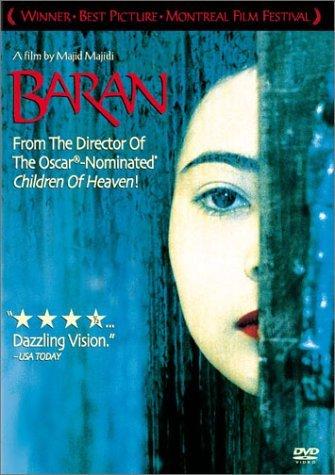
Baran is a 2001 Iranian drama film written and directed by Majid Majidi. The film reveals the lives of Afghan refugees working illegally in Iran and the social dynamics among them, while also telling the heartfelt story of a young worker’s growing romance. The lead roles are played by Hossein Abedini (Latif) and Zahra Bahrami (Baran).
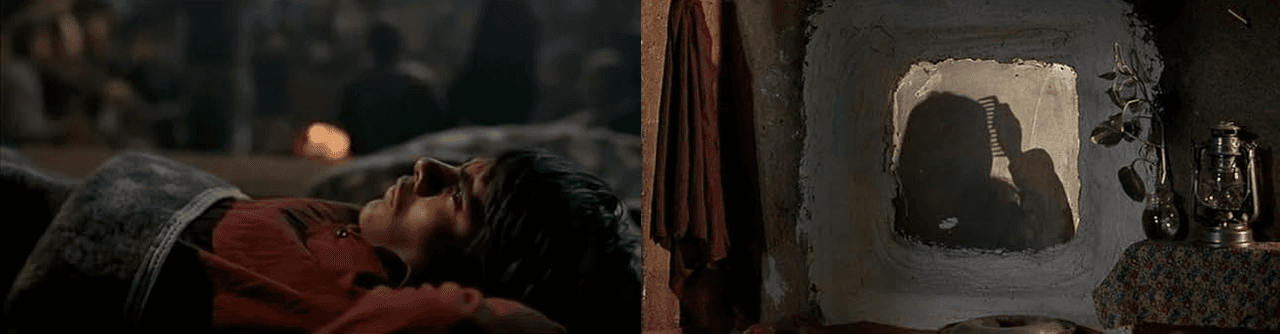
Still frames from the film (IMDb)
Latif is a 17-year-old boy working in light labor at a construction site in Tehran. His life changes when Rahman, an Afghan refugee who is later revealed to be Baran, arrives. Latif’s initial resentment toward the newcomer and his fear of losing his job gradually give way to deeper emotions. The film narrates, in simple yet powerful terms, the events that unfold as Latif discovers Baran’s true identity and the harsh living conditions faced by refugees.
Director: Majid Majidi
Screenplay: Majid Majidi
Producer: Majid Majidi and Fouad Nahas
Runtime: 96 minutes
Language: Persian
Release Date: 2001
Director Majidi chose to work with non-professional actors and Afghan refugees unfamiliar with cinema for the filming of Baran. All the workers in the film were selected from real construction laborers, lending the film an authentic sense of realism. Majidi spent considerable time searching for the right actress to portray Baran. Zahra Bahrami, who plays Baran, had never left the refugee camp where she had lived for fifteen years until the filming began. The production lasted approximately eight to nine months.
Hossein Abedini (Latif)
Zahra Bahrami (Baran)
The character’s name, Baran, means “rain” in Persian, offering layered symbolism. Rain represents purification, transformation, and emotional intensity, marking a turning point in Latif’s character development. The rain filling Baran’s footprints becomes a metaphor for Latif’s inner maturity achieved through pure love.
The character of Baran does not utter a single word throughout the film. According to director Majid Majidi, this silence symbolizes the Afghan people who are unable to express themselves: “Baran represents Afghanistan that cannot speak. The Afghans have no voice.” This metaphor serves as a powerful social critique of the invisibility and suppression of refugees’ voices.
The film emphasizes the vital importance of having an identity. Identity is not merely a legal document but a representation of one’s existence and social acceptance. Latif’s decision near the end of the film to sell his own identity in favor of his love and desire to help others evokes the Sufi concept of asceticism. Asceticism signifies detachment from worldly desires and renunciation of the self. Latif’s act becomes a metaphorical narrative that elevates human values and love above material interests.
The film’s setting in winter is not merely an aesthetic choice but a reflection of social reality. Winter is a season when poverty, hardship, and suffering become more visible. The cold weather and gray tones serve as symbols that reinforce the workers’ living conditions, the refugees’ helplessness, and the film’s emotional atmosphere.
In the 2000s, prolonged war and economic hardship in Afghanistan led millions of Afghans to flee to neighboring Iran. However, Afghan refugees in Iran were forced to take low-paid, insecure jobs and lived without legal status, marginalized and excluded. The film powerfully exposes these harsh conditions and the social hierarchy and injustice faced by refugees.
In an interview, director Majidi spoke about Baran: “You know, the life of a refugee is very difficult, filled with emptiness and vulnerabilities. They face social, economic, and psychological hardships. This situation makes them vulnerable to exploitation. Naturally, problems and tensions arise between refugees and the local population, deepening over time until a climate of mistrust emerges between the refugee community and the host society. Now it is our duty, as artists and the media, to engage with this issue and take responsibility. We must bring these struggles to public attention. I want to remind everyone that a refugee is a human being, and we must protect all their human rights and defend them against every form of abuse. These people carry their own problems. We must take all these issues into account.”
Upon its release in 2001, Baran was nominated for numerous prestigious national and international film festivals and won many awards. The film received critical acclaim for Majid Majidi’s direction and the performances of its cast and is regarded as one of the most important works in Iranian cinema.
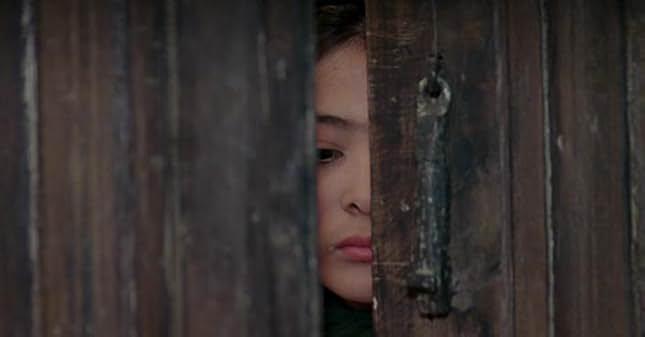
Still frame from the film (IMDb)
The film won a total of 13 awards and received six nominations. Both Majid Majidi’s direction and the strong performances of the cast have established Baran as a landmark of Iranian cinema.
Baran Trailer (YouTube)
Henüz Tartışma Girilmemiştir
"Baran (Film)" maddesi için tartışma başlatın
Synopsis
Production Details
Casting and Production Details
Main Cast
Symbols and Metaphors in the Film
1. The Name and the Rain Metaphor
2. Silence and the Unheard Voice
3. Identity and Asceticism
4. Winter and Realism
Social Critique and Messages
Awards and Honors
Major Awards and Nominations