
+2 Daha


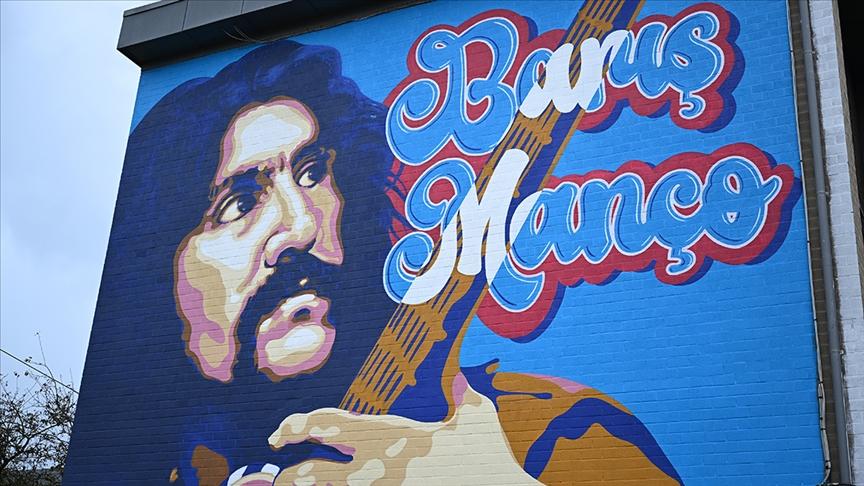
Barış Manço was born on January 2, 1943, in Istanbul and became one of the most influential figures in Turkish music and television. As a musician, singer, composer, arranger, songwriter, actor, television presenter, host, collector, painter, and traveler, he had a vast influence in the cultural sphere.
Barış Manço took the stage for the first time in 1958 while studying at Galatasaray High School, marking the beginning of his musical career at an early age. He is considered one of the founding members of the Anadolu Rock (Anatolian Rock) movement and played a crucial role in its popularization. Throughout his musical career, he performed both in Turkey and abroad, particularly with his band Kurtalan Ekspres, which helped him reach wider audiences.
Having composed over 200 songs, Manço received 12 gold and 1 platinum album/cassette awards. Many of his works were translated into multiple languages, including Greek, Bulgarian, Arabic, Persian, Kurdish, Japanese, Hebrew, French, and Flemish, and were performed by various artists. This international reach established his music as a cultural bridge between different traditions.
In 1988, Barış Manço launched "7’den 77’ye", one of the most significant television projects of his career, which aired on TRT 1. This program aimed to combine education, culture, and entertainment for children and families, making it one of the longest-running productions in Turkish television history.
Through the segment "Ekvator’dan Kutuplar’a" (From the Equator to the Poles), Manço traveled to over 100 different regions across five continents, covering approximately 600,000 km and creating documentary-style content. Another notable segment, "Adam Olacak Çocuk" (A Child Who Will Become a Good Person), focused on instilling values in children and gained immense popularity.
Barış Manço’s music encompassed a broad range of genres and often addressed social issues, human values, and the cultural richness of Anatolia. Some of his most well-known songs include:
Many of these songs blend elements of folk, rock, and pop, playing a significant role in shaping Manço’s musical legacy.
In the late 1990s, he worked on the project "Kaplumbağanın Öyküsü" (The Story of the Tortoise) and was preparing his album "Mançoloji" at the time of his passing. This album was later released posthumously by his family. Barış Manço passed away on the night between January 31 and February 1, 1999. Following his death, numerous academic and cultural studies have been conducted on his music and artistic vision.
The house where Barış Manço lived and created many of his works, located in Moda, Kadıköy, was transformed into a museum by the Kadıköy Municipality in collaboration with his family. Opened on June 9, 2010, the "Barış Manço Moda 81300" museum was designed to reflect the personal and artistic aspects of the artist. The museum preserves important artifacts from his career, offering visitors a deeper insight into his life and legacy.
Throughout his artistic career, Barış Manço received numerous awards and honors, including:
Barış Manço contributed to multiple fields in the Turkish art scene through his music, television programs, and cultural projects. By integrating traditional Turkish musical motifs with Western music, he became a leading figure in the Anadolu Rock movement.
His television career was marked by educational and cultural content, reaching a broad audience. Even after his passing, he remains a celebrated figure in the worlds of art and culture. With his museum in Kadıköy and the body of work he left behind, Barış Manço’s artistic legacy continues to be honored and preserved today.
Coşkun Keskin, Sevgi, and Medine Akyıldız. "Values in Barış Manço’s Songs." Journal of Values Education 19, no. 42 (December 2021): 153–186.
Düzgün, Dilaver. "The Phenomenon of Barış Manço in the Process of Change and Transformation of the Âşıklık Tradition." Millî Folklor, no. 21 (2009).
Erdogan, Göktürk. "The Place and Importance of Barış Manço in Turkish Popular Music History (1960–1980)." Ağrı İbrahim Çeçen University Journal of Social Sciences Institute (AİCUSBED) 5, no. 1 (April 2019): 105–117.
Filiz, Mustafa. Intertextuality in Barış Manço’s Songs. Master’s thesis, Çağ University, Institute of Social Sciences, Department of Turkish Language and Literature, 2019.
Kadıköy Municipality. Barış Manço Moda 81300 - Official Website. Last accessed February 25, 2025.
Turanalp, Muhammed Fatih. "Religious and Moral Value Transmission through Songs: The Case of Barış Manço." Bilimname 37, no. 1 (April 2019): 685–724. Last accessed February 26, 2025.
Çobanoğlu, Özkul. "Observations on the Importance and Methodology of Barış Manço Studies." Millî Folklor 6, no. 46 (Summer 2000): 40–48. Last accessed February 26, 2025
Anadolu Ajansı. "Barış Manço’nun 82. Yaş Günü Kutlanıyor."Anadolu Ajansı, 2 Ocak 2025. Erişim Tarihi: 17 Şubat 2025. https://www.aa.com.tr/tr/kultur/baris-manconun-82-yas-gunu-kutlaniyor/3440274.

Henüz Tartışma Girilmemiştir
"Barış Manço" maddesi için tartışma başlatın
Early Music Career and the Anadolu Rock Movement
Television Career: "7’den 77’ye" and Cultural Broadcasting
Most Famous Songs and Works
Barış Manço’s House in Kadıköy and Its Transformation into a Museum
Awards and Honors
Legacy and Cultural Influence
Bu madde yapay zeka desteği ile üretilmiştir.